Introduction
The Peruvian Rice Rat, scientifically known as Oreoryzomys balneator, is a lesser-known yet fascinating mammal native to the rich biodiversity of South America. This small rodent is part of the Cricetidae family, which encompasses a diverse group of rodents found throughout the Americas. Characterized by its unique adaptations to its environment, the Peruvian Rice Rat plays a crucial role in its ecosystem, yet remains relatively understudied compared to other rodent species. This article delves into the various aspects of the Peruvian Rice Rat, offering insights into its physical traits, habitat, behaviors, and conservation needs.
Physical Description
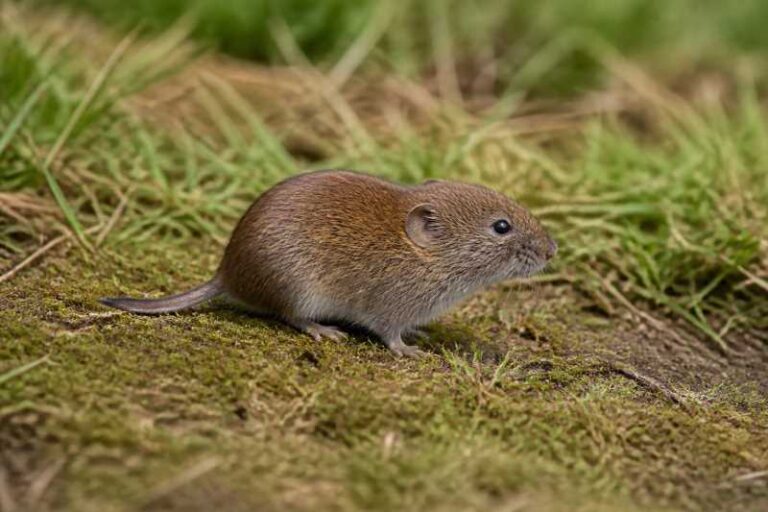
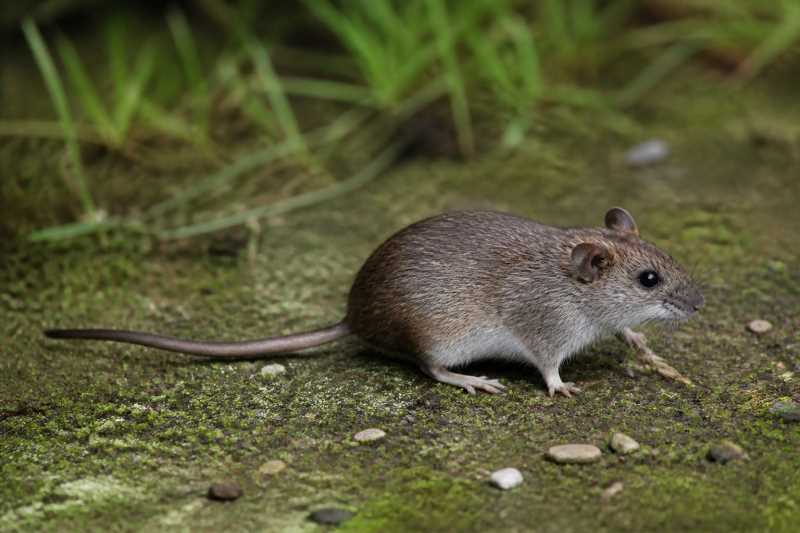
The Peruvian Rice Rat is a small rodent, with a body length ranging from 10 to 14 centimeters, excluding its tail, which adds an additional 8 to 12 centimeters. It typically weighs between 40 and 70 grams. The species boasts a soft and dense fur coat that varies from grayish-brown to reddish-brown, providing effective camouflage against the forest floor. Its underbelly is usually lighter, often white or cream-colored, and its ears are small and rounded. The tail is covered in fine hairs and is about equal in length to the body, aiding in balance and agility.
The Peruvian Rice Rat has sharp, curved claws and elongated hind legs that facilitate climbing and digging, essential for navigating the dense underbrush of its habitat. Its eyes are relatively large, indicative of its nocturnal lifestyle, and its whiskers are long and sensitive, helping it maneuver through its environment in the dark.
Range and Habitat
Oreoryzomys balneator is endemic to the Andean regions of Peru, with its range extending into the adjacent areas of Ecuador. This species is typically found in montane cloud forests at elevations between 1,500 and 3,000 meters. These forests are characterized by high humidity, frequent cloud cover, and a dense understory, providing an ideal environment for the Peruvian Rice Rat.
The habitat of the Peruvian Rice Rat is rich in biodiversity, and it often shares its environment with numerous other small mammals, birds, and insects. It favors areas with dense ground cover that provide protection from predators and a rich supply of food resources. The presence of streams and small water bodies is also a critical component of its habitat, as these areas support a diverse array of plant and animal life that constitutes its diet.
Behavior and Diet
The Peruvian Rice Rat is primarily nocturnal, spending its nights foraging for food. It is an omnivore with a diet that includes seeds, fruits, insects, and small invertebrates. This diverse diet allows it to take advantage of the varied resources available in its habitat. The Peruvian Rice Rat is known to be an agile climber, often venturing into the lower canopy to access food that is out of reach for ground-dwelling competitors.
Socially, the Peruvian Rice Rat is relatively solitary, with individuals maintaining small home ranges that they vigorously defend. Communication between individuals is largely through scent marking and vocalizations, which are used to establish territory and attract mates. Breeding occurs throughout the year, with females giving birth to litters of 2 to 4 young after a gestation period of about 30 days.
Identification Tips
Recognizing the Peruvian Rice Rat in the field requires attention to several key characteristics:
- Size and Proportions: Note the small body size combined with a relatively long tail.
- Fur Color: Look for the distinctive grayish-brown to reddish-brown fur with a lighter underbelly.
- Ears and Eyes: Observe the small rounded ears and large eyes, indicative of its nocturnal habits.
- Behavior: Watch for its agile climbing and foraging behavior, particularly at night.
These identification tips can help distinguish the Peruvian Rice Rat from other sympatric rodent species in its habitat.
Conservation Status
The conservation status of the Peruvian Rice Rat is currently classified as "Least Concern" by the International Union for Conservation of Nature (IUCN). However, the species faces several threats that could impact its populations in the future. Deforestation and habitat fragmentation are primary concerns, as they lead to the loss of suitable habitat and resources. Additionally, climate change poses a long-term threat by altering the montane cloud forests that the Peruvian Rice Rat depends on.
Conservation efforts for the Peruvian Rice Rat involve protecting its natural habitat through the establishment of protected areas and promoting sustainable land-use practices. Research into the species’ ecology and population dynamics is essential to inform conservation strategies and ensure the species’ continued survival.
Frequently Asked Questions
What is the primary diet of the Peruvian Rice Rat?
The Peruvian Rice Rat is omnivorous, feeding on seeds, fruits, insects, and small invertebrates. Its varied diet allows it to adapt to the availability of food resources in its montane cloud forest habitat.
How can I identify a Peruvian Rice Rat in the wild?
Key identification features include its small size, long tail, grayish-brown to reddish-brown fur, and large eyes. Its nocturnal and agile climbing behavior also aid in its identification.
What threats does the Peruvian Rice Rat face?
The primary threats to the Peruvian Rice Rat include habitat loss due to deforestation and fragmentation, as well as climate change impacts on its montane cloud forest environment.
Are there any conservation measures in place for the Peruvian Rice Rat?
Conservation measures focus on habitat protection through the establishment of protected areas and sustainable land-use practices. Ongoing research is also crucial to inform conservation strategies.
Is the Peruvian Rice Rat a social animal?
The Peruvian Rice Rat is relatively solitary, with individuals maintaining small home ranges. Communication is primarily through scent marking and vocalizations, especially during mating.
Related posts