Introduction
The Common Fat Mouse, scientifically known as Steatomys pratensis, is a fascinating small mammal that inhabits various regions across the African continent. As a member of the Nesomyidae family, this species has garnered interest due to its unique physiological and behavioral adaptations. Despite its name, the Common Fat Mouse is not a typical rodent. Instead, it exhibits a range of distinct characteristics that make it an intriguing subject for study among mammalogists and ecologists alike.
Understanding the biology and ecology of the Common Fat Mouse is crucial, especially given the changing environmental conditions and human influences that may impact its survival. This article delves into the physical description, range, habitat, behavior, diet, identification, and conservation status of this species, providing a comprehensive overview of its life and challenges.
Physical Description
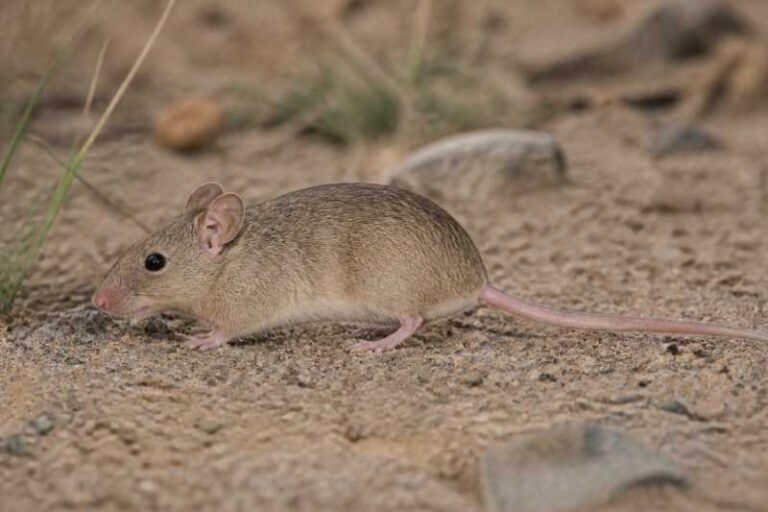
The Common Fat Mouse is a small, robust rodent characterized by its compact and rounded body. Adult individuals typically measure between 8 to 12 centimeters in body length, excluding the tail, which adds an additional 5 to 10 centimeters. Weighing between 30 to 60 grams, these mice possess a distinctive appearance that aids in their identification.
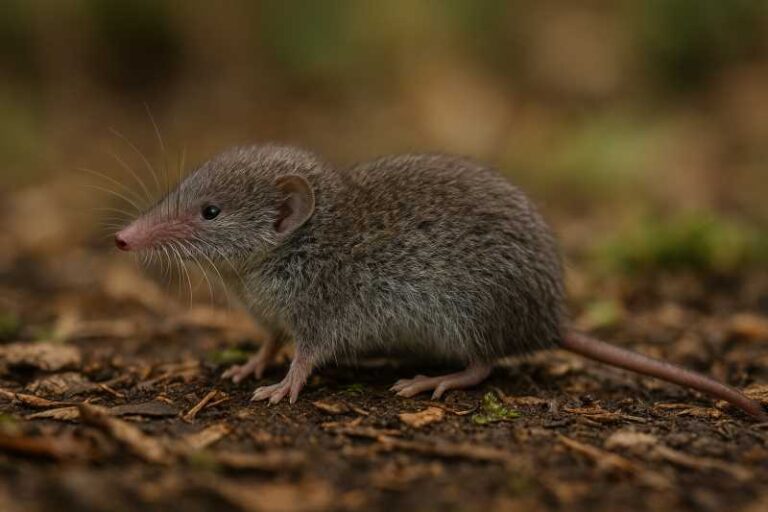
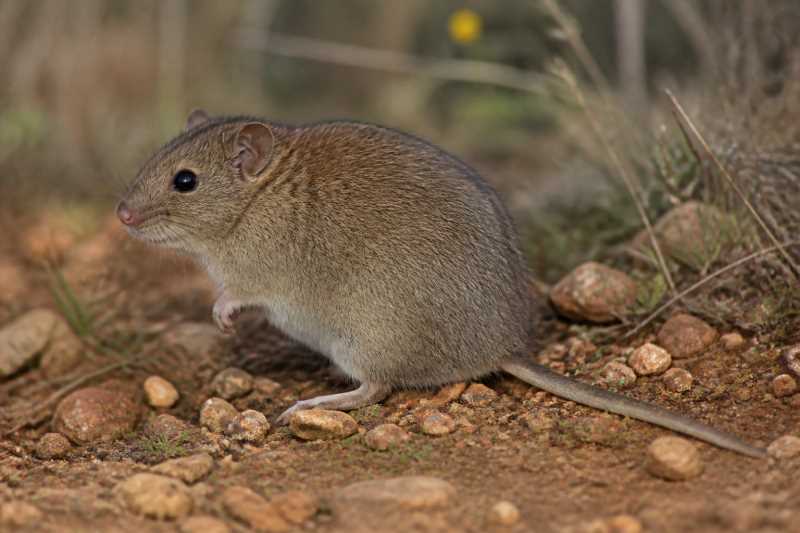
Their fur is generally soft and dense, exhibiting a coloration that ranges from sandy brown to greyish-brown on the dorsal side, with paler underparts. The fur serves as excellent camouflage, blending seamlessly with the arid and semi-arid environments they inhabit. One of the most notable features of the Common Fat Mouse is its ability to store fat in its body, particularly during times of food abundance, which helps it survive in less favorable conditions.
The head is rounded with small, rounded ears that are well-adapted to minimize water loss—a crucial adaptation for survival in dry habitats. Their eyes are relatively large, providing good vision for nocturnal activities. The limbs are short but strong, with clawed feet that are adept at digging.
Range and Habitat
The Common Fat Mouse is primarily found in sub-Saharan Africa, with its range extending from South Africa in the south to countries like Kenya and Tanzania in the east. They inhabit a variety of ecosystems, including savannas, grasslands, and shrublands, often favoring areas with sandy soils that facilitate burrowing.
These mice are highly adaptable and can thrive in regions with varying levels of vegetation cover. However, they are predominantly found in environments that offer sufficient ground cover to protect them from predators and harsh weather conditions. The presence of shrubs and grasses provides not only shelter but also a rich source of food.
Behavior and Diet
The Common Fat Mouse is primarily nocturnal, with most of its activities occurring during the cooler nighttime hours. This behavioral adaptation helps it avoid the extreme heat of the day in its native habitats. These mice are solitary creatures, coming together mainly for breeding purposes.
Their diet is omnivorous, comprising seeds, fruits, insects, and small invertebrates. The ability to consume a wide range of food items allows them to adapt to seasonal changes in food availability. During periods of food scarcity, the fat stored in their bodies is metabolized to meet energy requirements.
Burrowing is a significant aspect of their behavior, providing shelter from predators and harsh environmental conditions. Their burrows are typically simple, consisting of a few tunnels and chambers where they rest and store food.
Identification Tips (Field Recognition Cues)
Identifying the Common Fat Mouse in the field can be challenging, given its elusive nature and nocturnal habits. However, certain cues can aid in recognition:
- Body Shape and Size: Look for a small, rounded body with a relatively short tail.
- Fur Coloration: Note the sandy brown to greyish-brown dorsal fur with paler underparts.
- Ear and Eye Size: Small, rounded ears and relatively large eyes are distinctive features.
- Behavior: Nocturnal activity and burrowing habits are indicative of this species.
- Habitat: Presence in sandy, arid regions with ample ground cover.
Conservation Status (With Threats and Protections)
Currently, the Common Fat Mouse is listed as Least Concern on the IUCN Red List. Despite this seemingly secure status, the species faces various threats that could impact its populations in the future. Habitat loss due to agricultural expansion, urban development, and climate change poses significant risks.
In some regions, the use of pesticides and rodenticides in agricultural practices can directly harm these mice, reducing their numbers. Additionally, as they are prey for many larger animals, changes in the ecosystem that affect predator populations can also indirectly influence their survival.
Conservation efforts for the Common Fat Mouse primarily focus on habitat preservation and environmental education. Protected areas that safeguard their natural habitats are crucial, as is raising awareness about the species and its role in the ecosystem.
Frequently Asked Questions
What does the Common Fat Mouse eat?
The Common Fat Mouse has an omnivorous diet, consuming seeds, fruits, insects, and small invertebrates. This dietary flexibility allows it to adapt to seasonal food availability.
Where can the Common Fat Mouse be found?
The Common Fat Mouse is found in sub-Saharan Africa, particularly in savannas, grasslands, and shrublands with sandy soils that facilitate burrowing.
How does the Common Fat Mouse adapt to its environment?
The Common Fat Mouse adapts to its environment through nocturnal behavior to avoid heat, burrowing for shelter, and fat storage to survive periods of food scarcity.
Is the Common Fat Mouse endangered?
Currently, the Common Fat Mouse is listed as Least Concern by the IUCN. However, habitat loss and other environmental changes pose potential threats to its future populations.
How can you identify a Common Fat Mouse?
Identification involves noting its small, rounded body, sandy brown to greyish-brown fur, small rounded ears, large eyes, and nocturnal behavior in sandy, arid habitats.
Related posts