Introduction
The Eurasian Pygmy Shrew (Sorex minutus) is a fascinating small mammal, found across a broad swath of Europe and parts of Asia. Known for its tiny size and energetic behavior, this shrew is an integral part of the ecosystem, playing a crucial role in the food web. Its presence helps maintain the ecological balance, and its habits provide insights into the health of the environment.
Despite its widespread presence, the Eurasian Pygmy Shrew often goes unnoticed due to its diminutive size and secretive nature. This article delves into the characteristics, habitat, and behaviors of this intriguing species, offering insights into why it deserves attention from both conservationists and nature enthusiasts alike.
Physical Description
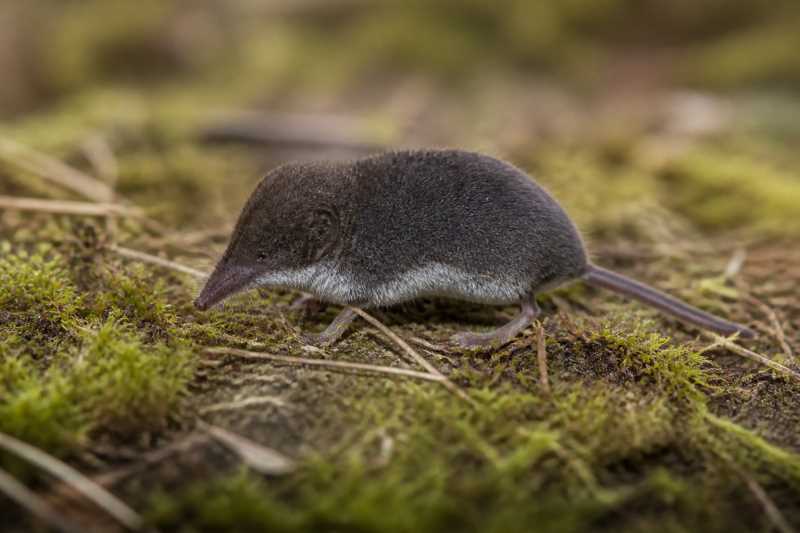
The Eurasian Pygmy Shrew is one of the smallest mammals in the world, typically measuring between 4 to 6 centimeters in body length, with a tail that can add an additional 3 to 5 centimeters. Its weight ranges from a mere 2 to 5 grams, making it a true lightweight in the mammalian world.
This shrew is covered in dense, short fur that ranges in color from grayish-brown to reddish-brown on the back, with a lighter gray or white underbelly. Its fur serves as vital insulation, as this tiny creature must maintain a high metabolic rate to survive.
One of the most distinctive features of the Eurasian Pygmy Shrew is its elongated, pointed snout, which is equipped with highly sensitive whiskers. These whiskers are essential for navigation and foraging, as the shrew relies heavily on its sense of touch due to poor eyesight.
Range and Habitat
The Eurasian Pygmy Shrew enjoys a wide range of habitats across Europe and parts of Asia. Its distribution extends from Ireland and the United Kingdom in the west, across mainland Europe, and into parts of Russia and northern Asia.
This species is highly adaptable and can thrive in various environments, including woodlands, grasslands, and hedgerows. It is also found in more marginal habitats like upland moors and bogs. However, the shrew prefers areas with ample ground cover, which provides protection from predators and harsh weather conditions.
The Eurasian Pygmy Shrew’s adaptability to different habitats is partly due to its diet, which consists of a wide range of invertebrates, allowing it to exploit various ecological niches.
Behavior and Diet
The Eurasian Pygmy Shrew is primarily insectivorous, although it also consumes other small invertebrates, including worms and spiders. Its high metabolism means it must eat frequently, consuming up to 125% of its body weight daily.
This shrew is primarily nocturnal, engaging in foraging activities during the night. It uses its acute sense of smell and touch to locate prey, often probing under leaves and debris with its snout.
Despite its small size, the Eurasian Pygmy Shrew is highly territorial and solitary, except during the breeding season. During this time, males and females come together briefly for mating, after which the female raises the young alone.
Identification Tips (Field Recognition Cues)
Identifying the Eurasian Pygmy Shrew in the field can be challenging due to its size and elusive nature. However, there are several key characteristics to look for:
- Size and Shape: Look for a very small mammal with a long, pointed snout and a tail almost as long as its body.
- Fur Color: Note the grayish-brown to reddish-brown fur on the back and lighter underparts.
- Behavior: Observe rapid movements and foraging under leaf litter or low vegetation.
- Habitat: Consider the habitat; this shrew is often found in areas with dense ground cover.
Listening for their high-pitched calls, which are used for communication and echolocation, can also aid in identification.
Conservation Status (With Threats and Protections)
The Eurasian Pygmy Shrew is currently classified as Least Concern by the International Union for Conservation of Nature (IUCN). This status reflects its widespread distribution and stable population trends across most of its range.
However, the species faces several threats that could impact local populations. Habitat destruction due to agricultural expansion, urbanization, and deforestation poses significant risks. Additionally, the use of pesticides can reduce prey availability, further threatening the shrew’s survival.
Conservation efforts for the Eurasian Pygmy Shrew focus on habitat preservation and management. Protective measures include maintaining hedgerows and woodland areas, which are crucial habitats for the shrew. Public awareness and education on the ecological role of shrews can also contribute to their conservation.
Frequently Asked Questions
Why is this species unique?
The Eurasian Pygmy Shrew is unique due to its incredibly small size and high metabolic rate, which requires it to consume food almost constantly. Its ability to thrive in diverse habitats and its role in the ecosystem as a predator of invertebrates highlight its ecological importance.
What do Eurasian Pygmy Shrews eat?
Eurasian Pygmy Shrews primarily eat insects and other small invertebrates. They have a voracious appetite, consuming up to 125% of their body weight each day to sustain their high energy levels.
How do Eurasian Pygmy Shrews communicate?
These shrews communicate using high-pitched squeaks and calls, which they use for echolocation and interaction with other shrews. Their communication is essential for navigation and establishing territory.
Are Eurasian Pygmy Shrews endangered?
Currently, the Eurasian Pygmy Shrew is classified as Least Concern. While not endangered, they face threats from habitat destruction and pesticide use, which can impact their populations locally.
How can we help in the conservation of Eurasian Pygmy Shrews?
Conservation efforts can include preserving natural habitats like hedgerows and woodlands where shrews thrive. Supporting organic farming and reducing pesticide use can also help maintain their prey populations.
Related posts