Introduction
The Australian Pale Field Rat, scientifically known as Rattus tunneyi, is a fascinating member of the rodent family indigenous to Australia. This nocturnal mammal plays a vital role in its ecosystem, and understanding its habits, habitat, and conservation status is crucial for its preservation. In this comprehensive guide, we explore the essential aspects of the Pale Field Rat’s life, offering insights into its physical attributes, behavior, and the challenges it faces in the wild.
The Pale Field Rat is not only an integral part of Australia’s biodiversity but also an indicator of the ecological health of its habitats. As human activities continue to impact natural landscapes, understanding and protecting species like the Pale Field Rat becomes increasingly important.
Physical Description
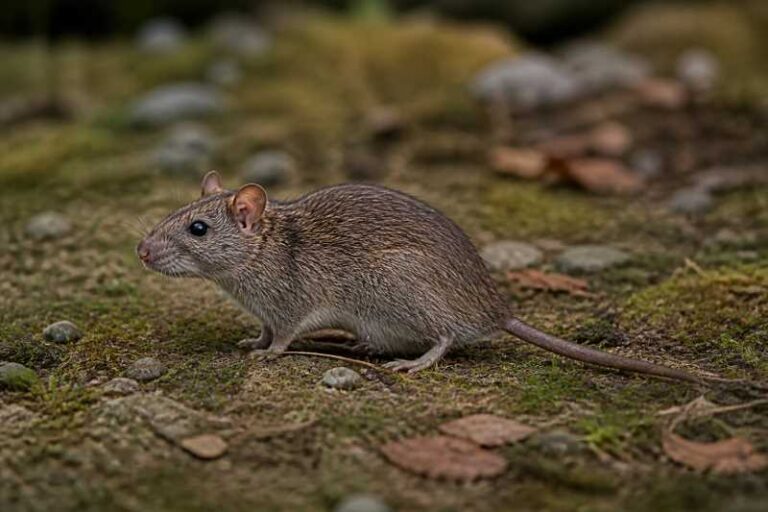
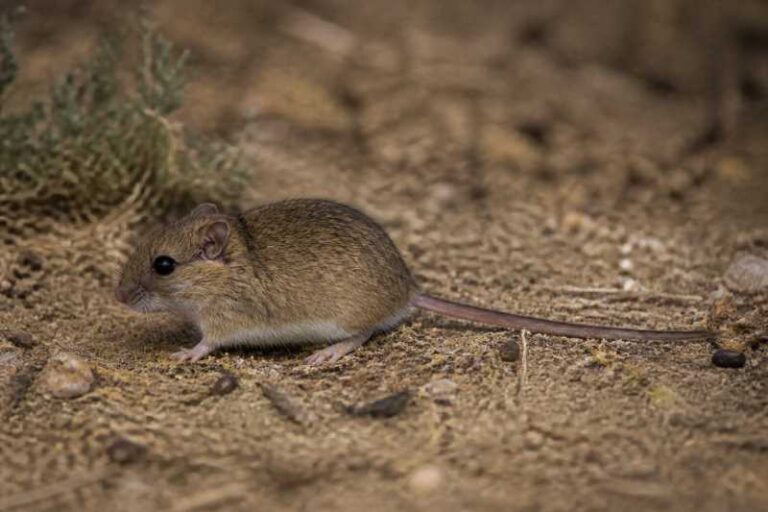
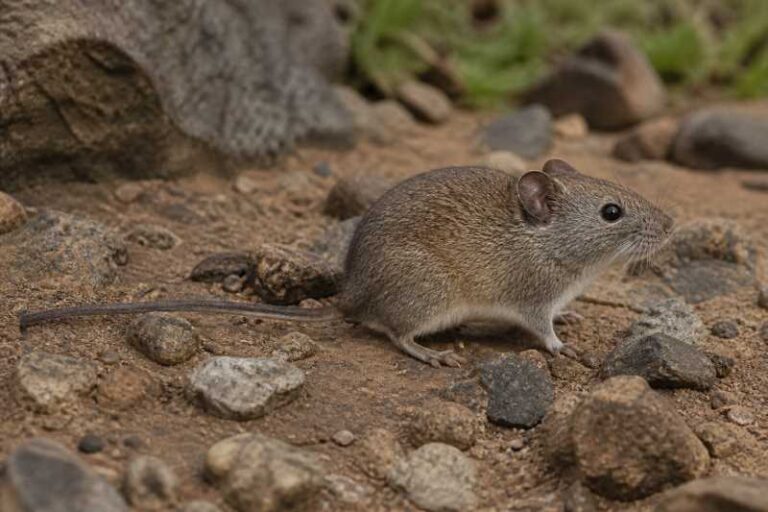
The Australian Pale Field Rat is characterized by its medium size and distinctive pale coloration. Adult rats typically weigh between 65 to 120 grams and measure about 12 to 20 centimeters in body length, with a tail roughly the same length. This tail is notably covered in fine scales and sparse hair, aiding in balance and agility.
Their fur is soft and dense, primarily featuring a pale gray or yellow-brown coloration, which provides excellent camouflage against the natural backdrop of the grasslands and woodlands they inhabit. The underbelly is usually a lighter shade, often white or cream.
The Pale Field Rat possesses small, rounded ears, sharp incisors, and prominent eyes adapted for nocturnal activity. These physical traits not only help them in foraging and escaping predators but also make them easily recognizable to those familiar with Australia’s native rodents.
Range and Habitat
The distribution of Rattus tunneyi spans across northern and eastern Australia, including regions in Queensland, the Northern Territory, and Western Australia. They primarily inhabit grasslands, woodlands, and savannas, preferring areas with dense ground cover for protection against predators and harsh weather conditions.
Pale Field Rats are also found in agricultural areas, where they benefit from the availability of grains and other food resources. However, their habitat preferences can vary significantly depending on environmental conditions and food availability.
These rats play an essential ecological role by participating in seed dispersal and soil aeration, contributing to the health and sustainability of their habitats. Unfortunately, habitat loss due to agricultural expansion and urbanization poses significant threats to their populations.
Behavior and Diet
The Australian Pale Field Rat is primarily nocturnal, spending the daylight hours in burrows or dense vegetation. They are known for their solitary and territorial nature, with individuals often establishing small home ranges that they defend from other rats.
Their diet consists mainly of seeds, grasses, and other plant materials, but they are opportunistic feeders and may consume insects and small invertebrates when available. This varied diet helps them adapt to different environmental conditions and food availability.
Breeding occurs throughout the year, with a peak during the wet season when food is abundant. Females typically give birth to litters of four to six young after a gestation period of about 22 days. The young are weaned and independent within a month, allowing the population to recover quickly under favorable conditions.
Identification Tips (Field Recognition Cues)
Identifying the Australian Pale Field Rat in the field involves recognizing several key characteristics:
- Size and Shape: Look for a medium-sized rat with a robust body and a tail roughly equal to its body length.
- Coloration: Note the pale gray or yellow-brown fur, which provides camouflage in grassland environments.
- Ears and Eyes: Small, rounded ears and large, prominent eyes are indicative of their nocturnal lifestyle.
- Behavior: Observe their nocturnal foraging habits and solitary behavior, often creating small burrows or nests in dense vegetation.
Conservation Status (with threats and protections)
Currently, the Australian Pale Field Rat is classified as "Least Concern" by the IUCN Red List, but this status can be misleading due to the localized threats they face. The primary threats to their survival include habitat destruction, predation by introduced species such as cats and foxes, and competition with invasive rodent species.
Conservation efforts are focused on habitat protection and restoration, as well as controlling invasive species. Protected areas and reserves play a crucial role in safeguarding their natural habitats. Additionally, public awareness and community involvement in conservation can help mitigate some of the pressures on their populations.
Frequently Asked Questions
What is the lifespan of the Australian Pale Field Rat?
The average lifespan of a Pale Field Rat in the wild is approximately 1 to 2 years. Their survival is often influenced by environmental conditions, predation, and food availability.
How do Australian Pale Field Rats contribute to their ecosystem?
Pale Field Rats play a significant role in seed dispersal and soil aeration, which are crucial for maintaining the health of their ecosystem. Their foraging activities help in the propagation of various plant species and contribute to soil fertility.
Are Australian Pale Field Rats dangerous to humans?
While Pale Field Rats are not dangerous to humans, they can occasionally come into conflict with agricultural activities due to their feeding habits. They are generally shy and avoid human contact.
How can I help in the conservation of the Australian Pale Field Rat?
Supporting habitat conservation efforts, participating in community awareness programs, and advocating for the control of invasive species are effective ways to contribute to the conservation of Pale Field Rats.
What adaptations help the Australian Pale Field Rat survive in its environment?
Key adaptations include their nocturnal behavior, which reduces predation risk, and their varied diet, which allows them to exploit different food resources. Their coloration provides excellent camouflage in their natural habitat.
Related posts