Introduction
The Long-tailed Moss Mouse, scientifically known as Limnomys sibuanus, is a fascinating small mammal native to the Philippines. These creatures, which are part of the family Muridae, are particularly intriguing due to their unique physical characteristics and specialized habitat preferences. Despite their relatively obscure status in the grand scheme of mammalian biodiversity, they hold significant ecological importance in their native regions. This article delves into the life of the Long-tailed Moss Mouse, exploring its physical description, habitat range, behavior, diet, and conservation status. Additionally, for those interested in observing these elusive creatures in the wild, identification tips are provided.
Physical Description
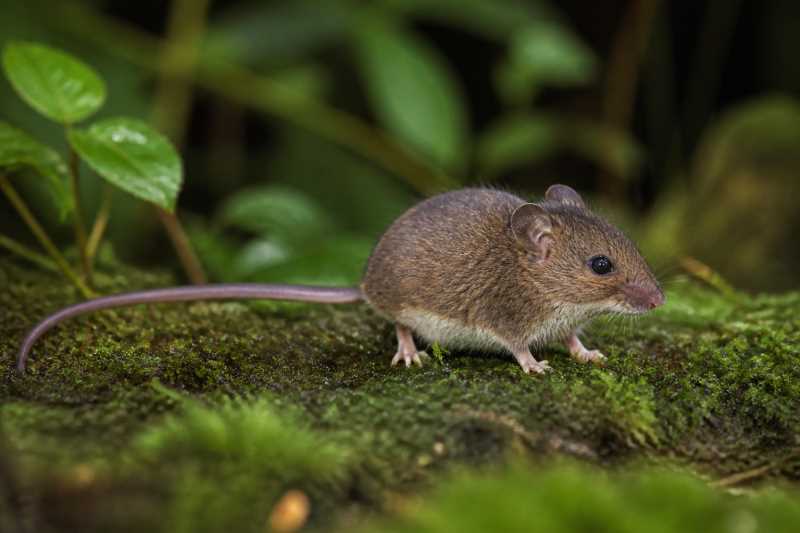
The Long-tailed Moss Mouse is characterized by its diminutive size and distinctive long tail, which often exceeds the length of its body. Adult mice typically weigh between 25 to 40 grams and measure around 12 to 16 centimeters in total length, with the tail accounting for approximately 60% of this measurement. Their fur is generally soft, with a mossy brown hue that provides effective camouflage against the forest floor. The underbelly is lighter, usually exhibiting a white or grayish tone.
In terms of morphological features, their ears are small and rounded, adapted for life in dense underbrush. The eyes are moderately sized, hinting at a nocturnal lifestyle. Their limbs are short but strong, equipped with sharp claws that facilitate climbing and foraging.
Range and Habitat
The Long-tailed Moss Mouse is endemic to the island of Mindanao in the Philippines, primarily inhabiting montane and mossy forests. These environments are characterized by high humidity, dense vegetation, and abundant rainfall, which create a lush, green canopy ideal for their lifestyle. These mice are typically found at elevations ranging from 1,000 to 2,500 meters, thriving in cooler, less disturbed forest areas.
Their preference for mossy forests is likely a result of the abundant resources and shelter provided by such habitats. The dense undergrowth offers protection from predators, while the rich variety of plant and insect life supports their dietary needs.
Behavior and Diet
Long-tailed Moss Mice are primarily nocturnal, spending most of their active hours foraging for food under the cover of darkness. Their diet mainly consists of seeds, small fruits, and insects, with occasional consumption of small invertebrates. This omnivorous diet not only sustains them but also plays a role in seed dispersal, contributing to the ecological health of their habitat.
Behaviorally, these mice are solitary animals, with individuals establishing and maintaining small territories. They communicate through a series of high-pitched squeaks and scent markings. During the day, they rest in nests made of leaves and moss, often located in tree hollows or dense underbrush.
Identification Tips (Field Recognition Cues)
Identifying the Long-tailed Moss Mouse in the field can be a challenge due to their elusive nature and the dense habitats they occupy. However, there are several cues that can aid in recognition:
- Tail Length: A striking feature is their long tail, which is significantly longer than their body and aids in balance and climbing.
- Fur Color: Look for their mossy brown fur, which blends well with the forest floor, contrasted by a lighter underbelly.
- Size and Shape: Note their small size and rounded ears, which distinguish them from other small mammals in the area.
- Activity Pattern: Spotting them during nighttime hours increases the chance of observation, as they are primarily nocturnal.
- Habitat Location: Focus on montane and mossy forest regions at higher elevations where they are known to reside.
Conservation Status (with Threats and Protections)
The Long-tailed Moss Mouse is currently classified as Near Threatened by the International Union for Conservation of Nature (IUCN). The primary threat to their survival is habitat loss due to deforestation for agriculture, logging, and human settlement expansion. Climate change also poses a looming threat by altering their delicate montane ecosystems.
Conservation efforts for the Long-tailed Moss Mouse include habitat protection and restoration initiatives. Several protected areas in Mindanao, such as Mount Kitanglad Range Natural Park, provide sanctuary for these mice and other endemic species. Additionally, local conservation programs focus on sustainable land use practices to minimize habitat destruction.
Frequently Asked Questions
1. What is the Long-tailed Moss Mouse’s primary diet?
The Long-tailed Moss Mouse is omnivorous, primarily feeding on seeds, small fruits, and insects. This diet not only sustains them but also contributes to the ecological processes in their habitat, such as seed dispersal.
2. Where can the Long-tailed Moss Mouse be found?
This species is endemic to Mindanao, Philippines, and is typically found in montane and mossy forests at elevations between 1,000 and 2,500 meters. Their habitat is characterized by dense vegetation and high humidity.
3. Why is the Long-tailed Moss Mouse considered Near Threatened?
The species is considered Near Threatened mainly due to habitat loss from deforestation and human encroachment. Conservation efforts are focused on habitat protection and sustainable land management to mitigate these threats.
4. How does the Long-tailed Moss Mouse contribute to its ecosystem?
By feeding on seeds and small fruits, the Long-tailed Moss Mouse aids in seed dispersal, promoting plant diversity and forest regeneration. Their role as insectivores also helps control insect populations.
5. What adaptations help the Long-tailed Moss Mouse survive in its environment?
Adaptations such as their long tail for balance, nocturnal lifestyle for avoiding predators, and camouflaged fur enable them to thrive in the dense, mossy forests of Mindanao.
Related posts