Introduction
The Light-winged Lesser House Bat, scientifically known as Scotoecus albofuscus, is an intriguing species within the mammalian family. This bat is notable for its adaptability to various habitats, which has allowed it to thrive in diverse environments. Like many bats, the Light-winged Lesser House Bat plays a crucial role in ecosystems as a pest controller and pollinator. This article delves into the physical characteristics, habitat, behavior, and conservation status of this lesser-known bat species, providing comprehensive insights for enthusiasts and researchers alike.
Physical Description
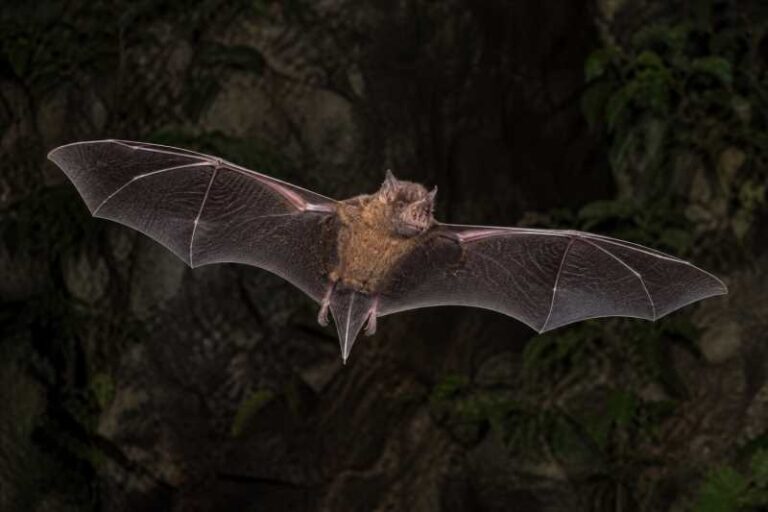
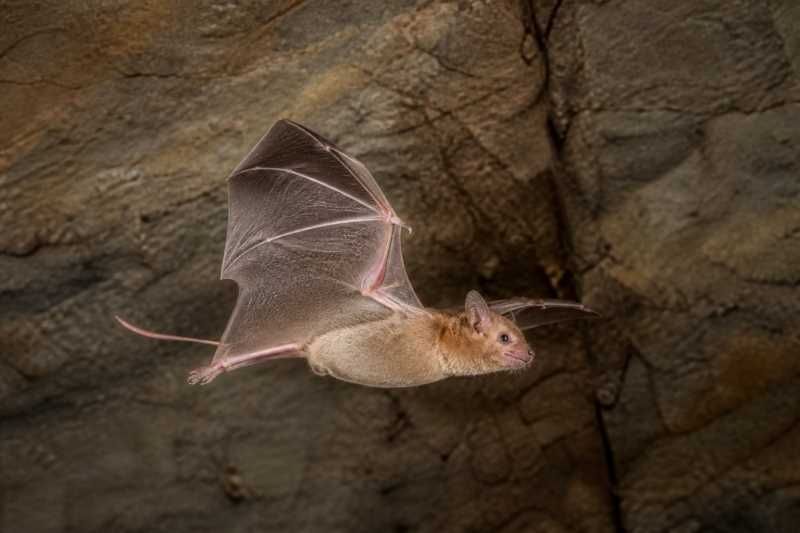
The Light-winged Lesser House Bat is a small bat species, characterized by its distinctive light-colored wings, which contrast with its darker body. Typically, the body length ranges between 4 to 6 centimeters, with a wingspan of approximately 20 to 25 centimeters. The fur is generally a dark brown to black, offering effective camouflage during roosting. The bat’s ears are moderately sized, aiding in echolocation, a crucial sense for nocturnal navigation and hunting. Their lightweight, aerodynamic body structure allows for agile flight, making them efficient hunters of insects.
Range and Habitat
The distribution of the Light-winged Lesser House Bat spans across several regions in Africa, primarily in the eastern and southern parts of the continent. These bats are adaptable and can be found in a variety of habitats, including savannas, woodlands, and urban areas. They often roost in buildings, caves, and tree hollows, which provide shelter from predators and environmental elements. Their adaptability to urban environments has contributed to their relative abundance in some regions, although habitat loss remains a concern in others.
Behavior and Diet
The Light-winged Lesser House Bat is predominantly nocturnal, emerging at dusk to forage for food. Their diet primarily consists of insects, making them essential for controlling pest populations. They use echolocation to detect and capture prey, emitting high-frequency sounds that bounce off objects and return as echoes, allowing them to pinpoint the location of insects even in complete darkness. Socially, these bats may form small colonies, which can enhance their ability to locate food through shared information.
Identification Tips (Field Recognition Cues)
Identifying the Light-winged Lesser House Bat in the field requires attention to several cues:
- Wing Coloration: Look for the distinctive light wings contrasting with their darker body.
- Flight Pattern: Observe their agile and erratic flight patterns typical of insectivorous bats.
- Roosting Sites: Check common roosting sites such as tree hollows and building crevices.
- Echolocation Calls: Utilize bat detectors to identify their unique echolocation frequencies.
Conservation Status (With Threats and Protections)
The Light-winged Lesser House Bat is currently not listed as endangered, but it faces several threats that could impact its population numbers. Habitat destruction due to urbanization, deforestation, and agricultural expansion poses significant risks. Pesticide use also threatens their primary food source—insects. Conservation efforts focus on habitat preservation and reducing pesticide use. Protecting roosting sites and raising awareness about the ecological benefits of bats can aid in their conservation.
Frequently Asked Questions
- What is the diet of the Light-winged Lesser House Bat?
The Light-winged Lesser House Bat primarily feeds on insects, which it hunts using echolocation. This diet makes them beneficial for controlling pest populations.
- Where can I find the Light-winged Lesser House Bat?
These bats are found in eastern and southern Africa, inhabiting a range of environments from savannas to urban areas. They often roost in buildings and tree hollows.
- How does the Light-winged Lesser House Bat contribute to the ecosystem?
By consuming large quantities of insects, the Light-winged Lesser House Bat helps control pest populations, thus playing a crucial role in maintaining ecological balance.
- What are the main threats to the Light-winged Lesser House Bat?
The primary threats include habitat loss due to urbanization and agriculture, as well as the use of pesticides, which reduce their food supply.
- How can I help conserve the Light-winged Lesser House Bat?
Supporting conservation efforts, reducing pesticide use, and preserving natural habitats are vital steps in protecting this bat species.
Related posts