Introduction
The Río Beni Titi, scientifically known as Plecturocebus modestus, is a fascinating primate species endemic to the lush, biodiverse regions of Bolivia. This titi monkey is a relatively lesser-known species, yet it plays a significant role in its ecosystem as both a seed disperser and a critical part of the forest food chain. As a member of the family Pitheciidae, the Río Beni Titi shares its lineage with other titi monkeys, but it stands out due to its unique adaptations and behaviors.
Titi monkeys, in general, are renowned for their complex social structures and charming vocalizations, and the Río Beni Titi is no exception. This article delves into the intriguing world of the Río Beni Titi, covering its physical characteristics, habitat preferences, diet, and behavior. Additionally, we will explore the conservation challenges this species faces and offer tips for identifying it in the wild.
Physical Description
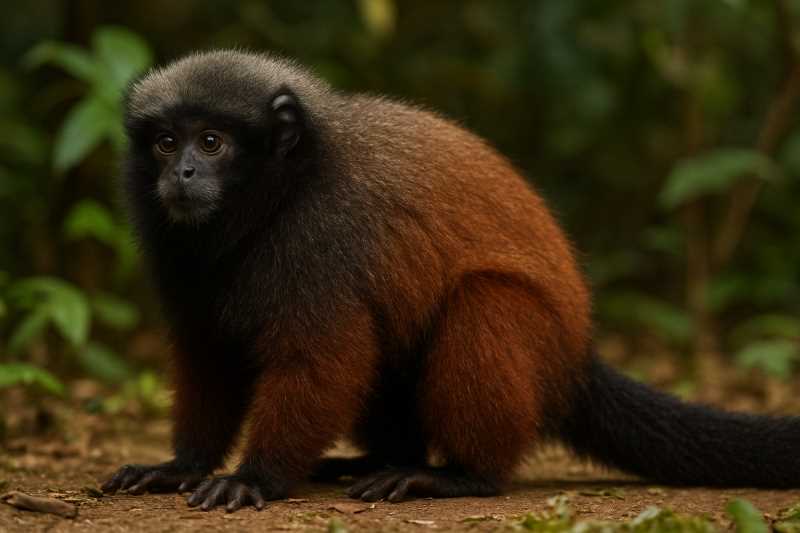
The Río Beni Titi is a small to medium-sized primate, with adults typically weighing between 800 and 1,200 grams. They have a distinctively soft and dense fur coat that provides them with warmth and camouflage in the dense forest canopy. Their coloration is generally a muted palette of browns and grays, which helps them blend seamlessly into their environment.
One of the most defining features of the Río Beni Titi is its long, bushy tail, which is not prehensile but serves as a balancing tool when navigating through the trees. Their tails often display a slightly darker coloration compared to the rest of their body, sometimes with a hint of reddish hue. The facial features of the Río Beni Titi include a small, rounded face with expressive eyes and a short muzzle, which gives them a rather endearing appearance.
Range and Habitat
The Río Beni Titi is endemic to Bolivia, specifically thriving in the region surrounding the Río Beni, after which it is named. This area is characterized by tropical and subtropical forests that provide an ideal habitat for the species. These forests are rich in biodiversity, offering both the food resources and the arboreal pathways that the Río Beni Titi needs.
The species occupies lowland to mid-elevation forests, where it primarily resides in the middle to upper canopy layers. This arboreal lifestyle helps the Río Beni Titi avoid ground predators and exploit the rich fruit and insect resources available in the treetops. The dense foliage of the forest not only offers ample food but also provides cover from potential threats.
Behavior and Diet
Social behavior is a hallmark of titi monkeys, and the Río Beni Titi is no different. They live in small family groups typically consisting of a mated pair and their offspring. These groups maintain a defined territory, which they defend through vocalizations and displays.
The diet of the Río Beni Titi is varied, comprising mainly fruits, leaves, and insects. They are known to consume a wide range of fruit species, which they forage for in the early morning and late afternoon. Insects provide a vital source of protein and are often caught during foraging excursions. The Río Beni Titi’s dietary habits play an essential role in seed dispersal, contributing to forest regeneration.
Identification Tips
Identifying the Río Beni Titi in the field requires keen observation of several key characteristics:
- Tail: Look for the long, bushy tail with a darker coloration.
- Vocalizations: Listen for their distinctive calls, which are used to communicate within family groups and establish territory.
- Size and Shape: Note their small to medium size and rounded facial features.
- Coloration: Observe the muted browns and grays of their dense fur.
Spotting these primates can be challenging due to their arboreal nature, but patience and a good understanding of their habits can increase your chances.
Conservation Status
The Río Beni Titi is currently classified as Near Threatened by the International Union for Conservation of Nature (IUCN). The primary threats to this species are habitat destruction due to logging, agriculture, and human encroachment. These activities lead to fragmentation of their habitat, which can isolate populations and reduce genetic diversity.
Conservation efforts are crucial for the Río Beni Titi, and they include habitat protection and restoration projects. Protected areas in Bolivia, such as national parks and reserves, play a critical role in preserving the natural habitat of this species. Raising awareness about the importance of titi monkeys in forest ecosystems is also vital for their long-term conservation.
Frequently Asked Questions
1. What is the primary diet of the Río Beni Titi?
The Río Beni Titi primarily feeds on fruits, leaves, and insects. Their diet is crucial for their role as seed dispersers in the forest ecosystem.
2. Where can the Río Beni Titi be found in the wild?
This primate is endemic to Bolivia, specifically in the forested regions surrounding the Río Beni, where it occupies tropical and subtropical forests.
3. How does the Río Beni Titi communicate?
The Río Beni Titi uses a range of vocalizations to communicate with family members and to establish and defend their territory.
4. Are there any conservation efforts in place for the Río Beni Titi?
Yes, conservation efforts include habitat protection, restoration projects, and establishing protected areas to safeguard their natural habitat.
5. How can I distinguish the Río Beni Titi from other titi monkeys?
Look for their long, bushy tails, muted brown and gray fur, and listen for their unique vocalizations, which are key characteristics distinguishing them from other titi species.
Related posts