Introduction
The Dusky Seram Mosaic-tailed Rat (Melomys aerosus) is a fascinating yet enigmatic species of rodent within the family Muridae. This elusive mammal is endemic to the island of Seram in Indonesia, where it inhabits dense tropical forests. Despite its limited range, the species plays a crucial role in its ecosystem, contributing to seed dispersion and maintaining the ecological balance. Understanding the biology and conservation needs of this species is essential, as it faces numerous threats from human activities and environmental changes.
Physical Description
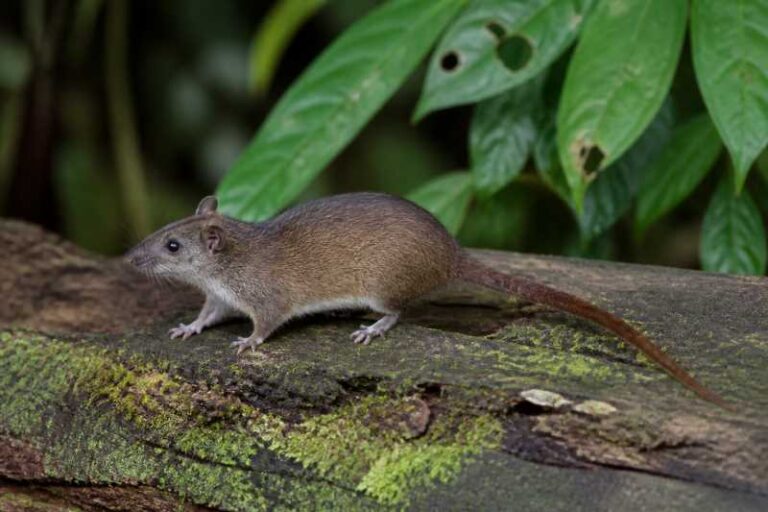
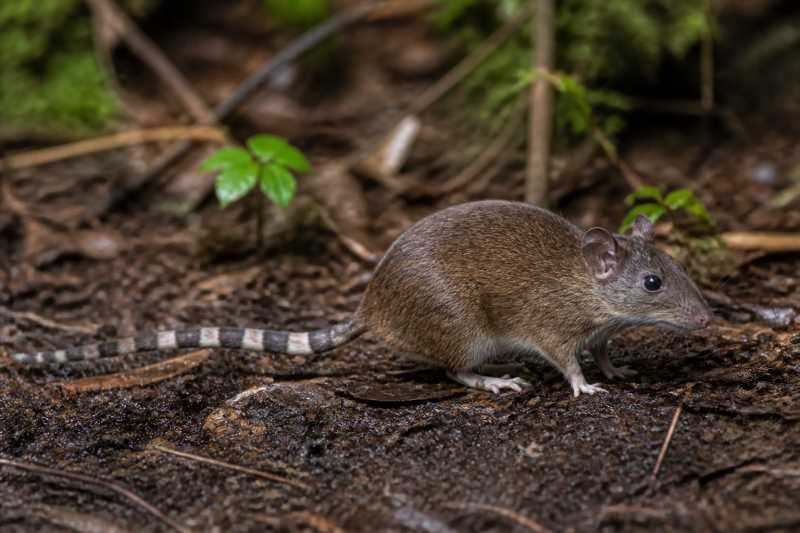
The Dusky Seram Mosaic-tailed Rat is characterized by its medium size and distinctive features that make it unique among its relatives. Adults typically weigh between 60 to 100 grams, with a body length of 10 to 15 centimeters and a tail that often matches or exceeds the body’s length. Its fur is soft and dense, predominantly brown or gray, with a lighter underbelly. The tail is one of its most striking features, adorned with mosaic-like scales that give the species its common name. These scales are not merely decorative but serve functional purposes, aiding in balance and grip.
The rat’s head is relatively small, with large, rounded ears and sharp, beady eyes that provide keen nocturnal vision. Its incisors are robust and continuously growing, adapted for gnawing. The limbs are short but strong, facilitating agile movement through the underbrush and trees.
Range and Habitat
Melomys aerosus is native exclusively to Seram Island, which is part of the Maluku Islands in Indonesia. This island’s rugged terrain and rich biodiversity provide an ideal habitat for the species. They are predominantly found in lowland tropical rainforests, although some populations may inhabit montane forests up to elevations of 1,000 meters.
These rats are arboreal, spending much of their time in the forest canopy. They deftly navigate through the trees, utilizing their tails for balance and their sharp claws for climbing. The dense foliage provides ample cover from predators and abundant food resources.
Behavior and Diet
The Dusky Seram Mosaic-tailed Rat is primarily nocturnal, emerging at dusk to forage for food. Its diet is omnivorous, consisting of fruits, seeds, small invertebrates, and occasionally fungi. This diverse diet helps them adapt to varying seasonal availabilities of resources.
Socially, these rats are relatively solitary, although they may be seen in pairs or small family groups. Communication is likely facilitated through vocalizations and scent markings, which establish territory and attract mates. Breeding occurs throughout the year, with females giving birth to litters of up to four young after a gestation period of approximately 30 days.
Identification Tips (Field Recognition Cues)
Identifying the Dusky Seram Mosaic-tailed Rat in the field requires attention to several key characteristics:
- Tail Features: Look for the distinct mosaic-patterned scales on the tail, a signature trait of this species.
- Fur Color: The dense, soft fur is typically brown or gray with a lighter underbelly.
- Size and Shape: Medium-sized body with a long tail, rounded ears, and small eyes.
- Behavior: Active at night and often seen in trees or dense underbrush.
- Vocalizations: Listen for sharp, high-pitched calls, especially during the night.
Conservation Status (With Threats and Protections)
The Dusky Seram Mosaic-tailed Rat is currently classified as Data Deficient by the International Union for Conservation of Nature (IUCN), indicating a lack of sufficient information to assess its risk of extinction accurately. However, the species faces several threats that could impact its survival.
Threats
- Habitat Destruction: Deforestation for agriculture, logging, and infrastructure development is the most significant threat, leading to habitat fragmentation and loss.
- Climate Change: Altered weather patterns and increased frequency of extreme weather events threaten the delicate balance of their ecosystem.
- Invasive Species: Introduction of non-native predators and competitors can disrupt local ecosystems and threaten native populations.
Protections
Efforts to protect this species include:
- Protected Areas: Establishment of protected areas on Seram to preserve critical habitats.
- Research Initiatives: Ongoing studies to better understand the species’ ecology and population dynamics.
- Conservation Programs: Community-based conservation programs to promote sustainable land-use practices.
Frequently Asked Questions
1. What do Dusky Seram Mosaic-tailed Rats eat?
These rats have an omnivorous diet, including fruits, seeds, small invertebrates, and fungi, allowing them to adapt to seasonal changes in food availability.
2. How can I identify a Dusky Seram Mosaic-tailed Rat?
Look for the distinctive mosaic-patterned scales on their tails, medium size, brown or gray fur, and nocturnal activity patterns.
3. Why are Dusky Seram Mosaic-tailed Rats important to the ecosystem?
They play a crucial role in seed dispersion, contributing to forest regeneration and maintaining ecological balance.
4. What threats do Dusky Seram Mosaic-tailed Rats face?
Major threats include habitat destruction due to deforestation, climate change, and competition or predation from invasive species.
5. Are Dusky Seram Mosaic-tailed Rats endangered?
Currently classified as Data Deficient by the IUCN, indicating insufficient data to determine their conservation status.
Related posts