Introduction
The Lesser Horseshoe Bat (Rhinolophus hipposideros) is a fascinating species that captivates both researchers and wildlife enthusiasts. Known for its unique echolocation abilities and distinct physical characteristics, this small mammal plays a crucial role in its ecosystem as an insect predator. Despite its small size, the Lesser Horseshoe Bat is a species of significant interest due to its sensitivity to environmental changes, making it an important indicator of ecosystem health.
Physical Description
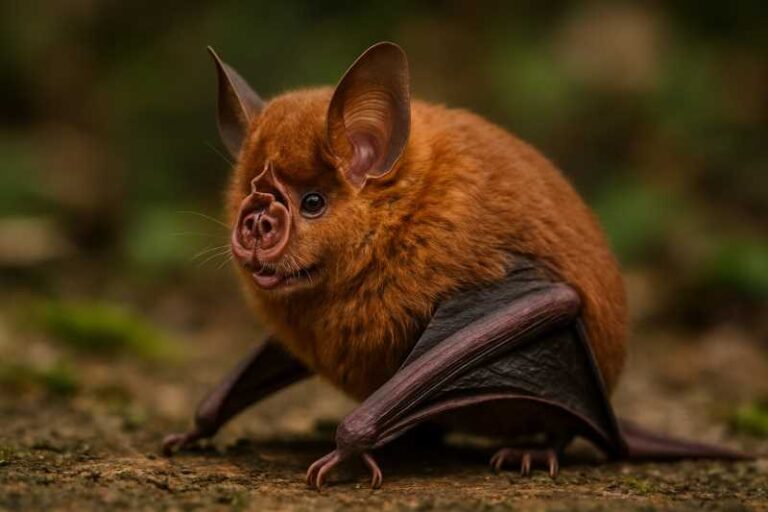
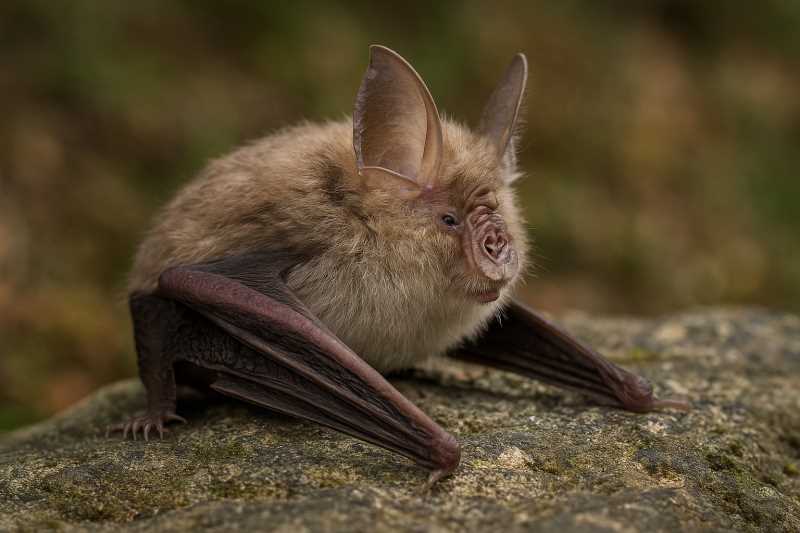
The Lesser Horseshoe Bat is one of the smallest European bat species, with a body length ranging from 35 to 45 millimeters and a wingspan of approximately 192 to 254 millimeters. This species weighs between 5 to 9 grams. Its name is derived from the distinctive horseshoe-shaped noseleaf used for echolocation. The fur of the Lesser Horseshoe Bat is soft and dense, with a greyish-brown color on the dorsal side and a lighter, almost white, underside. The ears are large and rounded, aiding in their acute hearing capabilities.
Range and Habitat
The Lesser Horseshoe Bat is predominantly found across Europe, with its range extending from the Iberian Peninsula in the west to the Caucasus in the east. It inhabits a variety of environments, including woodland, farmland, and rural areas, often roosting in caves, old buildings, and abandoned mines. This species prefers habitats that offer a combination of roosting sites and foraging grounds rich in insects.
Behavior and Diet
Lesser Horseshoe Bats are nocturnal and highly skilled flyers, using echolocation to navigate and hunt. Their diet primarily consists of small insects such as moths, mosquitoes, and beetles. They are known to forage close to the ground and vegetation, utilizing their agile flying skills to capture prey. During the day, they roost in dark, quiet places, emerging at dusk to begin feeding. Lesser Horseshoe Bats are also known for their seasonal behaviors, including hibernation during the winter months and breeding in the spring.
Identification Tips (Field Recognition Cues)
Identifying the Lesser Horseshoe Bat in the field can be challenging due to its small size and nocturnal nature. However, there are several key features to look for:
- Noseleaf: The distinctive horseshoe-shaped noseleaf is a primary identification feature.
- Size: Note the small body size and relatively short wingspan.
- Flight Pattern: Watch for agile, fluttery flight close to the ground.
- Echolocation Calls: Use a bat detector to listen for their high-frequency echolocation calls, typically around 110 kHz.
Conservation Status (With Threats and Protections)
The Lesser Horseshoe Bat is currently listed as "Least Concern" on the IUCN Red List. However, its populations are vulnerable to several threats, including habitat destruction, pesticide use, and human disturbance. Loss of roosting sites due to building renovations and deforestation poses a significant risk. Conservation efforts are in place to protect the species, including legal protection of roosting sites, habitat restoration, and public awareness campaigns.
Frequently Asked Questions
What do Lesser Horseshoe Bats eat?
Lesser Horseshoe Bats primarily feed on small insects, including moths, mosquitoes, and beetles. They are skilled hunters, using echolocation to detect and capture prey in flight.
Where can I find Lesser Horseshoe Bats?
You can find Lesser Horseshoe Bats across Europe, particularly in woodland, farmland, and rural areas. They roost in caves, old buildings, and abandoned mines.
How do Lesser Horseshoe Bats use echolocation?
Lesser Horseshoe Bats use their horseshoe-shaped noseleaf to emit high-frequency echolocation calls, allowing them to navigate and hunt in the dark by detecting sound waves that bounce off objects and prey.
Are Lesser Horseshoe Bats endangered?
Currently, the Lesser Horseshoe Bat is listed as "Least Concern" by the IUCN, but it faces threats from habitat destruction and human activity, making conservation efforts crucial.
How can I help conserve Lesser Horseshoe Bats?
You can help by supporting conservation organizations, advocating for the protection of natural habitats, and participating in local wildlife monitoring and awareness programs.
Related posts