Introduction
The Northern Sulawesi Spiny Rat, scientifically known as Echiothrix leucura, is an intriguing rodent species native to the lush and biodiverse region of Northern Sulawesi, Indonesia. This rare species is a part of the family Muridae and is recognized for its distinctive physical features and unique ecological role in its habitat. The Northern Sulawesi Spiny Rat is not only a subject of scientific interest but also plays a critical role in maintaining the ecological balance of its native regions. Understanding this species is crucial for biodiversity conservation efforts in Sulawesi and offers insights into the rich tapestry of life that inhabits this unique island.
Physical Description
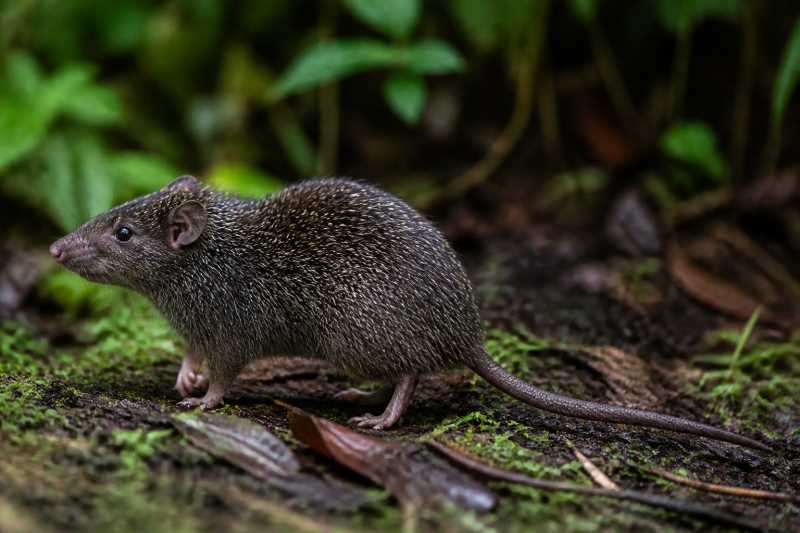
The Northern Sulawesi Spiny Rat is aptly named for its distinct appearance, characterized by a coat that includes both soft fur and spiny hairs. This adaptation is thought to provide protection and perhaps some camouflage in its dense forest habitat. Adults typically exhibit a body length ranging from 20 to 25 centimeters, not including the tail, which can add another 18 to 22 centimeters. The spines, which are modified hairs, are most pronounced along the back and provide a bristly texture to the touch.
The coloration of the Northern Sulawesi Spiny Rat is generally a mix of gray and brown, enabling it to blend seamlessly into the forest floor and undergrowth. Its head is adorned with small, rounded ears and sharp, black eyes that suggest acute hearing and vision—useful traits for a nocturnal forager. Its limbs are relatively short, supporting its terrestrial lifestyle, and its tail, which is devoid of spines, is covered in sparse hair.
Range and Habitat
This species is endemic to the northern part of Sulawesi, one of the large islands in Indonesia’s central archipelago. It inhabits primary and secondary tropical rainforests, where it occupies the forest floor and lower strata. These forests provide a humid environment with dense vegetation, fallen logs, and leaf litter, all of which are essential for its survival.
The Northern Sulawesi Spiny Rat is particularly adapted to these environments, where it can find ample food resources and shelter. The region’s complex ecosystem supports a rich variety of plant and animal life, with the spiny rat playing a role as both a prey item for larger predators and as a seed disperser, aiding in forest regeneration.
Behavior and Diet
The Northern Sulawesi Spiny Rat is primarily nocturnal, emerging at night to forage for food. Its diet is omnivorous, consisting of fruits, seeds, insects, and small invertebrates. This diverse diet not only helps maintain its energy levels but also influences the ecological dynamics of its habitat, particularly through seed dispersal and pest control.
These rats are solitary creatures, primarily interacting with others during the breeding season. They are known for their cautious and secretive behavior, often retreating quickly into dense underbrush when disturbed. Their nocturnal habits and reclusive nature make them a challenging subject for field studies, and much of their behavior remains a mystery.
Identification Tips
Identifying the Northern Sulawesi Spiny Rat in the field requires careful attention to several key characteristics:
- Spiny Coat: Look for the distinctive spiny hairs along the back, which are a defining trait of this species.
- Size and Shape: Note the medium size, with adults measuring 20 to 25 cm in body length, excluding the tail.
- Tail Length: The tail is typically long and slender, measuring up to 22 cm, with sparse hair.
- Coloration: The mixed gray and brown hues of the fur aid in camouflage and are typical of the species.
- Nocturnal Activity: Observations are more likely at night, given the species’ nocturnal habits.
Conservation Status
Unfortunately, the Northern Sulawesi Spiny Rat faces several threats that have affected its population. Habitat destruction, largely due to deforestation for agriculture and logging, poses a significant threat to its survival. As forest areas are cleared or fragmented, the spiny rat’s habitat is reduced, leading to decreased population sizes and genetic diversity.
Currently, the Northern Sulawesi Spiny Rat is listed as Vulnerable on the IUCN Red List. Conservation efforts are focused on habitat preservation and reforestation projects. Protected areas within Sulawesi provide some refuge, but enforcement of conservation laws is essential to curb illegal logging and land conversion.
Frequently Asked Questions
1. What does the Northern Sulawesi Spiny Rat eat? The Northern Sulawesi Spiny Rat has an omnivorous diet, consuming fruits, seeds, insects, and small invertebrates, which supports its nutritional needs and ecological role.
2. How can I identify a Northern Sulawesi Spiny Rat? Key identification features include its spiny coat, medium size (20-25 cm excluding the tail), long tail (up to 22 cm), and mixed gray-brown coloration.
3. Where can the Northern Sulawesi Spiny Rat be found? This species is endemic to Northern Sulawesi, Indonesia, primarily inhabiting tropical rainforests where it resides on the forest floor.
4. Why is the Northern Sulawesi Spiny Rat considered vulnerable? The species is vulnerable due to habitat destruction from deforestation and land conversion, which threaten its survival by reducing its natural habitat.
5. What role does the Northern Sulawesi Spiny Rat play in its ecosystem? As a seed disperser and insect predator, the spiny rat contributes to forest regeneration and pest control, highlighting its ecological importance.
Related posts