Shaw Mayer’s Water Rat: A Comprehensive Guide
Introduction
Shaw Mayer’s Water Rat, scientifically known as Baiyankamys shawmayeri, is a fascinating and elusive mammal species native to Papua New Guinea. This semi-aquatic rodent has intrigued researchers and wildlife enthusiasts alike, primarily due to its unique adaptations to wetland habitats and its relatively obscure presence in the scientific community. Discovered in the 20th century, Shaw Mayer’s Water Rat remains a subject of ongoing study as ecologists aim to understand its behavior, ecological role, and conservation needs.
Physical Description
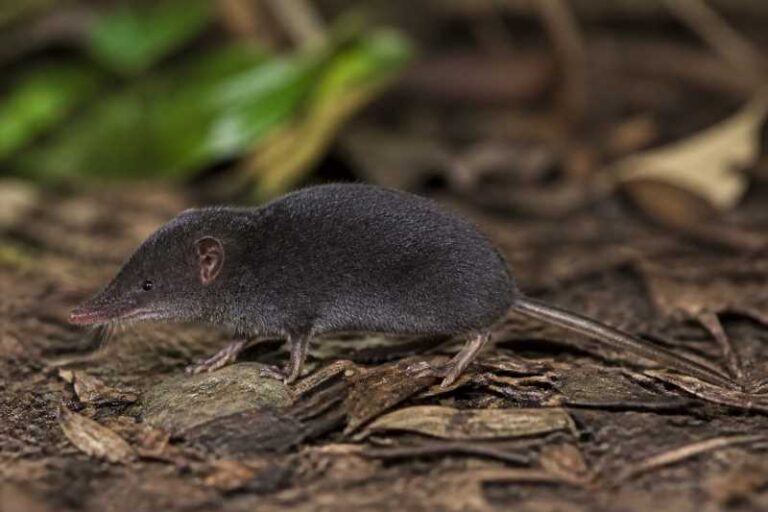
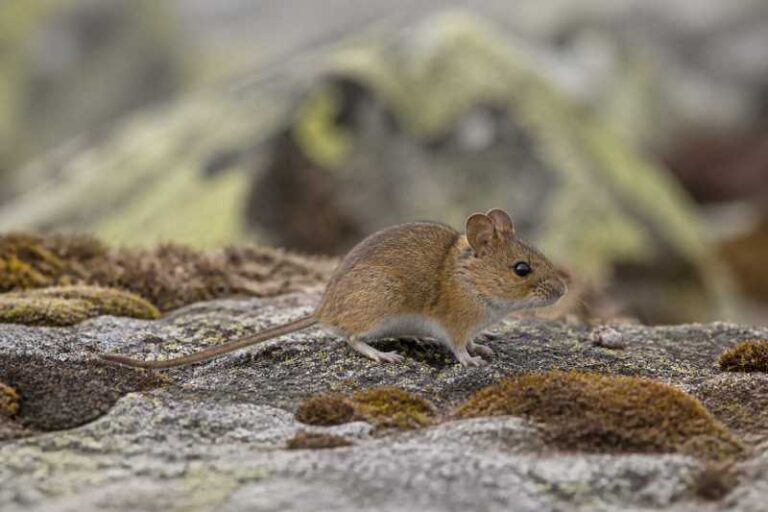
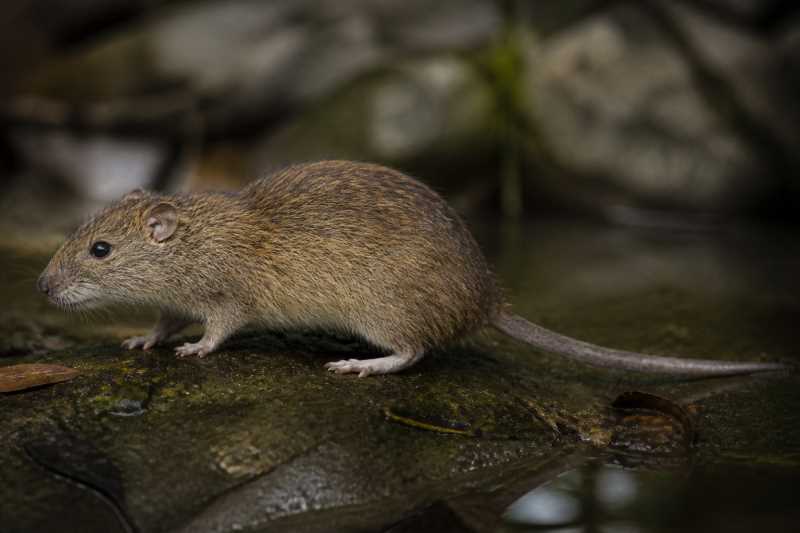
Shaw Mayer’s Water Rat is a medium-sized rodent characterized by its dense, water-repellent fur, which ranges in color from dark brown to almost black. This coloration helps it blend seamlessly with its aquatic surroundings, offering an added layer of protection against predators. The species boasts a streamlined body well-suited for swimming, with powerful hind limbs and partially webbed feet that facilitate efficient movement through water.
The head of Baiyankamys shawmayeri is relatively small, with a pointed snout and long, sensitive whiskers that aid in detecting prey under water. Its eyes and ears are small, adaptations that minimize water resistance and enhance its aquatic lifestyle. The tail, slightly longer than the body, is muscular and serves as a rudder, providing stability and direction while swimming.
Range and Habitat
Shaw Mayer’s Water Rat is endemic to the highlands of Papua New Guinea, where it inhabits freshwater streams, rivers, and marshes. These water bodies are typically surrounded by dense tropical rainforests, offering ample cover and resources for the species.
The rat’s range is largely confined to montane regions, where it prefers cool, fast-flowing waters. This habitat selection is likely driven by the abundance of aquatic invertebrates, which form a significant part of its diet, and the reduced presence of predators compared to lowland areas. However, due to its remote and inaccessible habitat, precise range and distribution data are limited, posing challenges for conservation efforts.
Behavior and Diet
Shaw Mayer’s Water Rat is primarily nocturnal, spending its nights foraging for food and its days resting in burrows dug into the banks of waterways. Its diet is mainly carnivorous, consisting of aquatic insects, crustaceans, and small fish. The rat uses its acute sense of touch and whiskers to locate prey in the often murky waters it inhabits.
The species is solitary, with individuals maintaining exclusive territories marked by scent glands. These territories encompass stretches of stream or river, which the rat patrols regularly. Despite its secretive nature, Shaw Mayer’s Water Rat plays a crucial ecological role as both predator and prey within its habitat, contributing to the health and balance of the ecosystem.
Identification Tips
Field recognition of Shaw Mayer’s Water Rat can be challenging due to its elusive nature and habitat preferences. However, several key characteristics can aid in identification:
- Coloration: Look for dark brown to black fur, which may appear glossy when wet.
- Size and Shape: Medium-sized body with a long tail, small head, and pointed snout.
- Habitat: Typically found near fast-flowing streams and rivers in montane regions.
- Behavior: Primarily nocturnal and solitary; often seen swimming or foraging along riverbanks.
- Tracks and Signs: Look for burrows in riverbanks and feeding remains, such as discarded crab shells or fish bones.
Conservation Status
The conservation status of Shaw Mayer’s Water Rat is currently listed as "Data Deficient" by the International Union for Conservation of Nature (IUCN). This classification highlights the need for more comprehensive studies to accurately assess the population size, distribution, and potential threats facing the species.
Threats
The primary threats to Shaw Mayer’s Water Rat include habitat destruction due to logging, agriculture, and infrastructure development. These activities lead to deforestation and water pollution, which degrade the quality of the rat’s habitat. Additionally, climate change poses a long-term threat by altering precipitation patterns and water flow in its montane environment.
Protections
Efforts to protect Shaw Mayer’s Water Rat focus on preserving its natural habitat. This includes advocating for the establishment and enforcement of protected areas within its range. Conservationists also emphasize the importance of conducting further research to gather baseline data necessary for informed conservation planning.
Frequently Asked Questions
What makes Shaw Mayer’s Water Rat unique?
Shaw Mayer’s Water Rat is unique due to its semi-aquatic lifestyle and adaptations for life in fast-flowing freshwater habitats. Its water-repellent fur, webbed feet, and strong swimming abilities set it apart from other rodents.
Where can Shaw Mayer’s Water Rat be found?
This species is found in the highlands of Papua New Guinea, particularly in montane regions with fast-flowing streams and rivers surrounded by tropical rainforest.
What does Shaw Mayer’s Water Rat eat?
The diet of Shaw Mayer’s Water Rat consists mainly of aquatic insects, crustaceans, and small fish. It uses its sensitive whiskers to detect prey in water.
How does Shaw Mayer’s Water Rat contribute to its ecosystem?
As both predator and prey, Shaw Mayer’s Water Rat plays a vital role in maintaining the ecological balance within its freshwater habitat, helping to control invertebrate populations and serving as food for larger predators.
What conservation efforts are in place for Shaw Mayer’s Water Rat?
Conservation efforts focus on habitat preservation, including the establishment of protected areas and research initiatives to better understand the species’ ecology and needs.
Related posts