Introduction
The Congolese Brush-furred Rat, scientifically known as Lophuromys rita, is a fascinating rodent species that inhabits the dense tropical forests of Central Africa. This elusive mammal is part of the Muridae family, which includes some of the most diverse and adaptable rodents on the planet. Despite its widespread range, relatively little is known about this creature, making it a subject of interest for both researchers and wildlife enthusiasts.
The Congolese Brush-furred Rat plays a crucial role in its ecosystem, serving as both a prey species for larger predators and a seed disperser, which aids in forest regeneration. Understanding the biology and ecology of this species is essential for conservation efforts, as it faces numerous threats from habitat destruction and climate change.
Physical Description
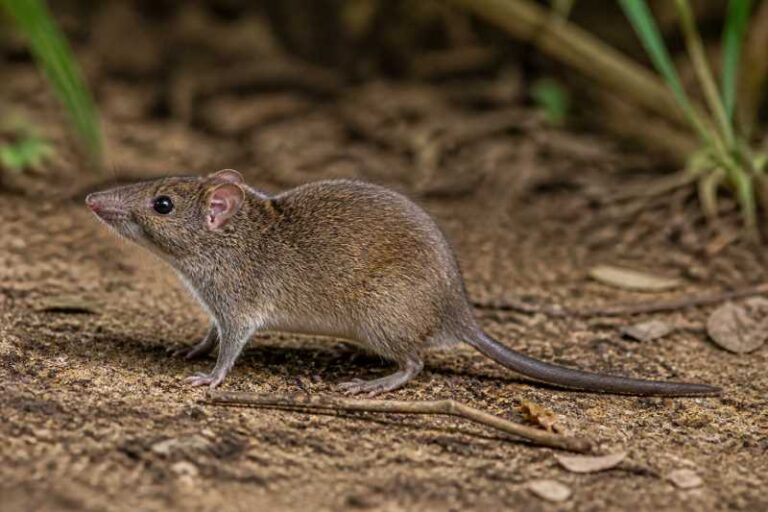
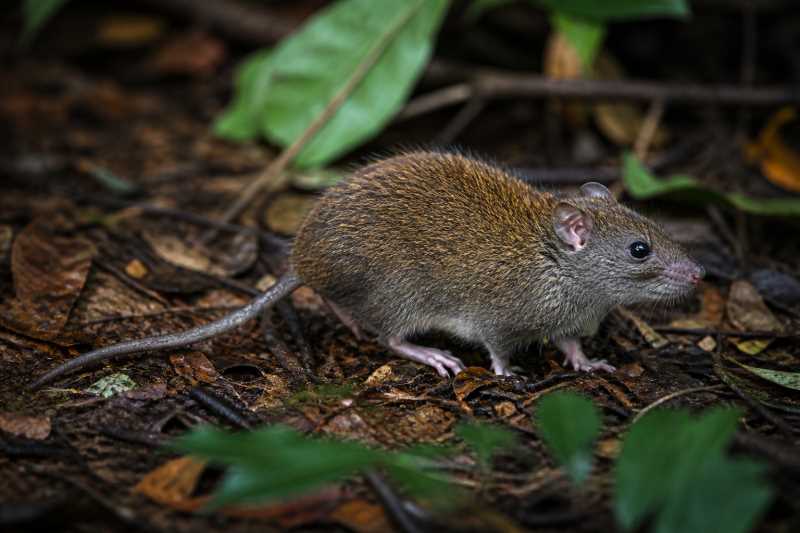
The Congolese Brush-furred Rat is characterized by its unique fur, which gives it its common name. The fur is typically dense and coarse, providing protection against the elements and aiding in camouflage within its forest habitat. The coloration of the fur varies from a dark brown to a more reddish hue, depending on the specific region and environmental conditions.
This rodent has a relatively small body size, with an average length of 12 to 15 centimeters, excluding the tail, which can add an additional 8 to 12 centimeters. The tail is typically sparsely furred, contrasting with the dense body fur. The ears are moderately large and rounded, equipped for acute hearing, which is crucial for detecting predators.
The Congolese Brush-furred Rat possesses sharp, chisel-like incisors that are adapted for gnawing through tough vegetation and a variety of seeds. Its strong hind limbs are well-suited for climbing and maneuvering through its arboreal habitat.
Range and Habitat
The natural range of the Congolese Brush-furred Rat spans across Central Africa, primarily within the Democratic Republic of the Congo, Uganda, and Rwanda. This region is characterized by its tropical climate and dense forest cover, providing an ideal habitat for this species.
These rats thrive in a variety of forested environments, from lowland rainforests to montane forests. They are particularly adapted to life in secondary forests, which are areas that have regenerated after primary forests have been disturbed. This adaptability allows the Congolese Brush-furred Rat to exploit a range of ecological niches, though it remains dependent on forested areas for survival.
Behavior and Diet
The Congolese Brush-furred Rat is primarily nocturnal, spending the daylight hours in burrows or hidden among dense undergrowth. At night, it becomes active, foraging for food and avoiding predators. This activity pattern helps it avoid the heat of the day and the attention of diurnal predators.
Dietarily, the Congolese Brush-furred Rat is an omnivore, with a diet that includes seeds, fruits, insects, and small invertebrates. This varied diet allows it to exploit a wide range of food resources, contributing to its ecological success. Its role as a seed disperser is particularly important, as it aids in maintaining the biodiversity of its forest habitat.
Socially, these rats are generally solitary, though they may be seen in pairs during the breeding season. Communication is primarily through vocalizations and scent markings, which help individuals maintain territories and attract mates.
Identification Tips (field recognition cues)
Identifying the Congolese Brush-furred Rat in the wild requires attention to several key characteristics:
- Fur Texture and Color: Look for dense, coarse fur that varies from dark brown to reddish tones.
- Size: Note the small body size, with a total length including the tail of approximately 20 to 27 centimeters.
- Tail: Observe the sparsely furred tail, which contrasts with the dense body fur.
- Behavior: Watch for nocturnal activity patterns and signs of foraging behavior in forested areas.
Conservation Status (with threats and protections)
The Congolese Brush-furred Rat is currently classified as "Least Concern" by the International Union for Conservation of Nature (IUCN). However, like many forest-dwelling species, it faces significant threats from habitat destruction due to logging, agriculture, and human encroachment.
Climate change also poses a long-term threat, potentially altering the habitats this species relies on for survival. Conservation efforts are focused on protecting forest habitats and promoting sustainable land-use practices to mitigate these threats.
Protected areas within its range, such as national parks and reserves, provide some safeguards, though enforcement of conservation laws remains a challenge. Continued research and monitoring are essential to ensure the long-term survival of this species.
Frequently Asked Questions
1. What does the Congolese Brush-furred Rat eat?
The Congolese Brush-furred Rat is an omnivore, feeding on a diet that includes seeds, fruits, insects, and small invertebrates. Its diverse diet helps it adapt to various forest environments.
2. Where is the Congolese Brush-furred Rat found?
This species is found in the tropical forests of Central Africa, particularly within the Democratic Republic of the Congo, Uganda, and Rwanda. It thrives in both lowland and montane forests.
3. How does the Congolese Brush-furred Rat contribute to its ecosystem?
The rat plays a crucial role as a seed disperser, aiding in forest regeneration. It also serves as prey for larger predators, maintaining the balance within its ecosystem.
4. Are Congolese Brush-furred Rats endangered?
Currently, the Congolese Brush-furred Rat is classified as "Least Concern" by the IUCN. However, it faces threats from habitat destruction and climate change, necessitating continued conservation efforts.
5. How can I identify a Congolese Brush-furred Rat in the wild?
Look for a small rodent with dense, coarse fur, a sparsely furred tail, and nocturnal activity patterns in forested areas. These are key identification cues for this species.
Related posts