Simien Brush-furred Rat (Lophuromys simensis): A Comprehensive Guide
Introduction
The Simien Brush-furred Rat, scientifically known as Lophuromys simensis, is a fascinating mammal species endemic to the high-altitude regions of Ethiopia. This rodent is part of the Muridae family and is particularly noted for its unique adaptation to the rugged terrain of the Simien Mountains. Despite its obscure status, the Simien Brush-furred Rat plays an integral role in the ecosystem, contributing to both the biodiversity and ecological balance within its range.
Physical Description
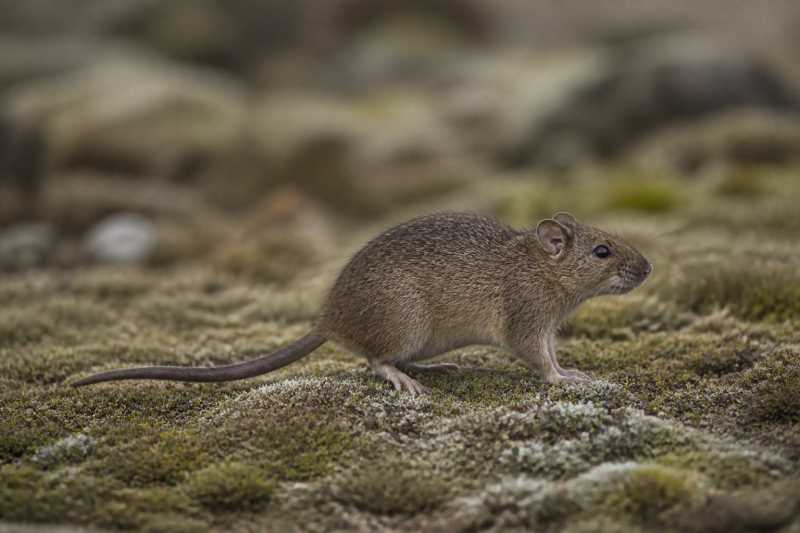
The Simien Brush-furred Rat is characterized by its distinctive fur, which is dense and bristly, providing excellent insulation against the cold temperatures of its high-altitude habitat. The fur is generally a mix of brown and grey hues, allowing it to blend seamlessly into its surroundings. Adult rats typically measure between 12 to 15 centimeters in body length, with a tail that adds an additional 8 to 10 centimeters. One of the most notable features of this species is its robust, stocky body, which aids in navigating the rocky terrain of the mountains. The ears are small and rounded, while the eyes are relatively large, suggesting a reliance on both sight and sound for navigating its environment.
Range and Habitat
Lophuromys simensis is endemic to the Ethiopian Highlands, with a particular prevalence in the Simien Mountains National Park. These rodents are adapted to altitudes ranging from 2,500 to over 4,000 meters above sea level. The habitat is characterized by Afroalpine moorlands and grasslands, where they find both shelter and food. The Simien Mountains are known for their dramatic landscapes, featuring jagged peaks and deep valleys, which provide a natural fortress for these rodents against predators. This high-altitude habitat is fraught with challenges, including variable weather conditions and limited food availability, making the Simien Brush-furred Rat a marvel of adaptation.
Behavior and Diet
The Simien Brush-furred Rat is primarily nocturnal, engaging in most of its activities under the cover of darkness. It is known to be a solitary creature, although overlapping territories may occur in areas with abundant resources. The diet consists mainly of a variety of grasses, seeds, and insects, which are foraged from the ground and low vegetation. This omnivorous diet is crucial for their survival in an environment where food sources can be scarce. Their foraging behavior also plays a role in seed dispersal, contributing to the ecological health of their habitat.
Identification Tips (Field Recognition Cues)
Identifying the Simien Brush-furred Rat in the field can be challenging due to its elusive nature and the rugged terrain of its habitat. However, there are several key features that can assist in recognition:
- Fur Texture and Color: Look for dense, bristly fur with a mix of brown and grey shades.
- Size and Proportions: Note the compact body size, with body lengths between 12 to 15 cm and a tail adding 8 to 10 cm.
- Habitat: They are typically found in high-altitude grasslands and moorlands within the Simien Mountains.
- Behavioral Cues: Being nocturnal, they are more likely to be spotted during early morning or late evening.
Conservation Status (with Threats and Protections)
The conservation status of the Simien Brush-furred Rat is currently listed as "Least Concern" by the International Union for Conservation of Nature (IUCN). However, this does not mean the species is free from threats. Habitat destruction due to agricultural expansion and climate change poses significant risks. The Simien Mountains National Park, where much of their population resides, is a protected area, offering some level of safety against human encroachment. Conservation efforts focus on habitat preservation and monitoring population dynamics to ensure long-term survival.
Frequently Asked Questions
1. What adaptations help the Simien Brush-furred Rat survive in high altitudes?
The Simien Brush-furred Rat has adapted to high altitudes through its dense, insulating fur, which helps maintain body heat in cold environments. Its robust body and agile movements allow it to navigate the rocky terrain efficiently.
2. Where can you find the Simien Brush-furred Rat in Ethiopia?
This species is found predominantly in the Simien Mountains National Park, which is located in the northern part of Ethiopia. The park’s high-altitude grasslands and moorlands provide the ideal habitat for these rodents.
3. What is the primary diet of the Simien Brush-furred Rat?
The Simien Brush-furred Rat is omnivorous, primarily consuming grasses, seeds, and insects. This varied diet is essential for survival in an environment where food availability can fluctuate.
4. How does the Simien Brush-furred Rat contribute to its ecosystem?
By foraging for seeds and insects, the Simien Brush-furred Rat plays a role in seed dispersal and pest control, which are vital for maintaining the ecological balance of its habitat.
5. Is the Simien Brush-furred Rat endangered?
Currently, the Simien Brush-furred Rat is not considered endangered, but it faces threats from habitat destruction and climate change. Conservation efforts focus on protecting its natural habitat to prevent future declines in population.
Related posts