Introduction
Hill’s Sheath-tailed Bat, scientifically known as Taphozous hilli, is a fascinating nocturnal mammal belonging to the family Emballonuridae. This species is part of the diverse order of Chiroptera, which encompasses all bats. Found primarily in select regions of Australia, Hill’s Sheath-tailed Bat has intrigued biologists and conservationists due to its unique ecological role and adaptations. This article delves deep into the characteristics, habitat, behavior, and conservation challenges of this intriguing bat species.
Physical Description
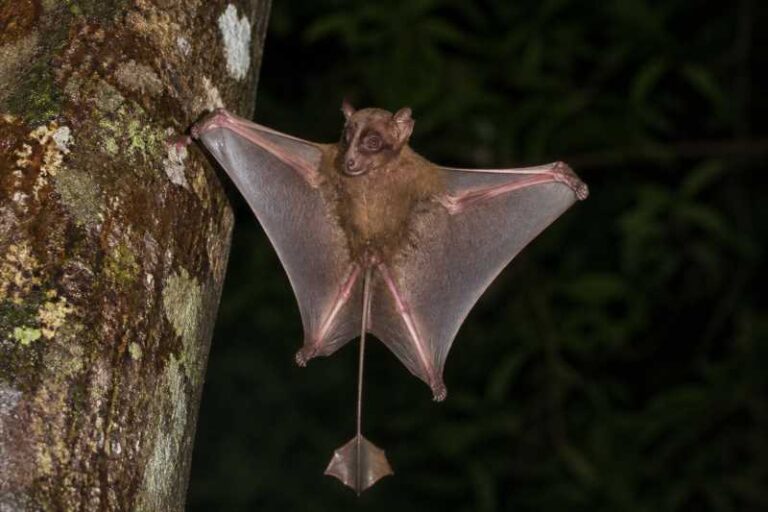
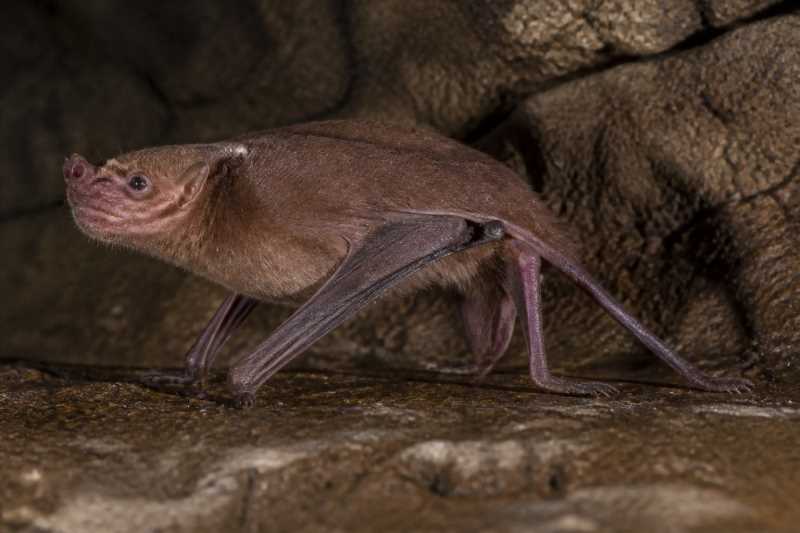
Hill’s Sheath-tailed Bat is a small to medium-sized bat, characterized by its distinct tail structure that enhances its flying capabilities. The name ‘sheath-tailed’ refers to the bat’s tail, which extends beyond the tail membrane, a feature common in the Emballonuridae family. The bat’s fur is typically a light to dark brown, providing effective camouflage in its natural rocky habitat.
The average body length of Taphozous hilli ranges between 7 to 9 centimeters, with a wingspan that can reach up to 30 centimeters. Weighing between 10 to 20 grams, this bat is built for agility and speed. Its wings are long and narrow, adapted for fast, sustained flight, which is essential for foraging over large areas.
Range and Habitat
Hill’s Sheath-tailed Bat is predominantly found in the arid and semi-arid regions of Australia, particularly in the Northern Territory and Western Australia. These bats prefer roosting in rocky outcrops, caves, and even man-made structures such as old mines or abandoned buildings. Their habitat selection is influenced by the availability of suitable roosting sites and proximity to water sources, which are crucial for their survival given the arid conditions of their range.
The bats are highly adapted to their desert environment, capable of withstanding significant temperature variations and limited water availability. The choice of roosting sites often provides them with the necessary thermal stability and protection from predators.
Behavior and Diet
Hill’s Sheath-tailed Bat is primarily nocturnal, emerging at dusk to forage for food. Their diet mainly consists of insects, which they catch in flight using their acute echolocation abilities. This bat’s echolocation is fine-tuned to detect the minute sounds of insect movement, allowing them to hunt efficiently even in complete darkness.
Socially, these bats are known to form small colonies, although solitary roosting has been observed. During the day, they rest in their chosen roosting sites, hanging upside down, which is typical of bat species. The reproductive cycle of Hill’s Sheath-tailed Bat remains less documented, but like many bats, they are believed to have a breeding season aligned with the availability of food resources.
Identification Tips
Recognizing Hill’s Sheath-tailed Bat in the field can be challenging due to their nocturnal habits and small size. However, there are several cues that can aid identification:
- Tail Structure: The distinctive tail extending beyond the tail membrane is a key identifying feature.
- Flight Pattern: They exhibit fast, agile flight, often in open areas near water or rocky outcrops.
- Roosting Sites: Look for them in caves or under rocky overhangs where they may be roosting during the day.
- Echolocation Calls: With the right equipment, their high-pitched echolocation calls can be detected and used for identification.
Conservation Status
As of the latest assessments, Hill’s Sheath-tailed Bat is classified as Near Threatened on the IUCN Red List. The primary threats to their population include habitat destruction due to mining, agriculture, and urban development. Additionally, climate change poses a significant threat by altering their arid habitats and affecting water availability.
Protection efforts for Hill’s Sheath-tailed Bat involve habitat conservation and management. Efforts are being made to secure and manage key roosting sites, and there is ongoing research to better understand their ecology and adapt conservation strategies accordingly.
Frequently Asked Questions
1. What is the lifespan of Hill’s Sheath-tailed Bat?
The lifespan of Hill’s Sheath-tailed Bat is not well-documented, but many bats in similar habitats can live up to 10 years in the wild, depending on environmental conditions and threats.
2. How do Hill’s Sheath-tailed Bats contribute to their ecosystem?
These bats play a crucial role in controlling insect populations, thereby maintaining ecological balance. They also serve as prey for larger predators, contributing to the food chain.
3. What adaptations help Hill’s Sheath-tailed Bat survive in arid environments?
Their adaptations include efficient water conservation mechanisms, roosting behavior that minimizes water loss, and a diet that provides necessary hydration.
4. Are Hill’s Sheath-tailed Bats solitary or social?
They are generally social, forming small colonies, although solitary individuals are also observed, especially in less suitable habitats.
5. What are the key threats to Hill’s Sheath-tailed Bat?
The main threats include habitat loss due to human activities, climate change, and disturbances at roosting sites.
By understanding and protecting Hill’s Sheath-tailed Bat, we contribute to preserving the ecological integrity of the regions they inhabit.
Related posts