Introduction
The Lowland Gerbil Mouse, scientifically known as Eligmodontia typus, is a small rodent species belonging to the family Cricetidae. This intriguing mammal is notable for its adaptability to arid environments and its distinctive physical characteristics. As a species native to South America, it plays a crucial role in its ecosystem, serving as both a prey item for predators and a seed disperser. Understanding the Lowland Gerbil Mouse is essential for appreciating the biodiversity of its habitat and for implementing effective conservation strategies.
Physical Description
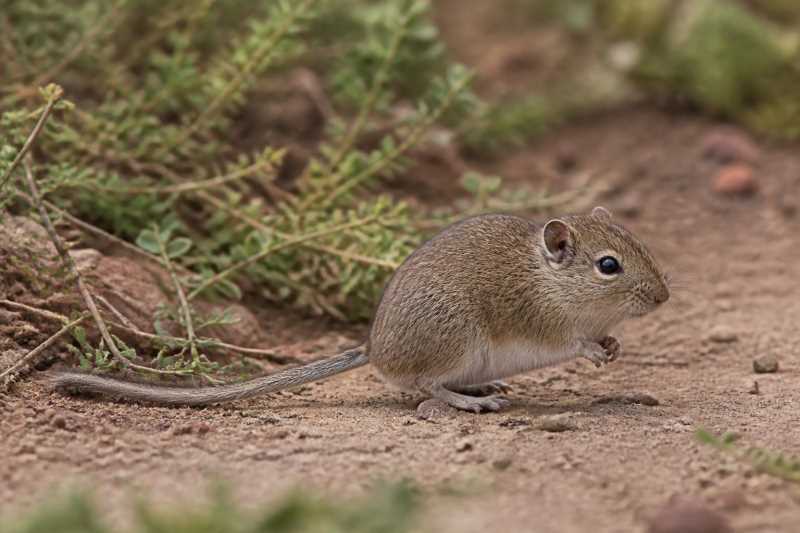
The Lowland Gerbil Mouse is a small rodent, typically measuring between 7 to 10 centimeters in body length, with a tail that adds an additional 6 to 8 centimeters. Its weight ranges from 20 to 40 grams, making it a nimble and agile creature. The mouse’s fur is soft and dense, predominantly exhibiting a sandy or grayish-brown coloration that provides camouflage against the arid landscapes it inhabits. The underbelly is usually lighter, often white or cream-colored.
One of the most notable features of the Lowland Gerbil Mouse is its large ears, which are adapted for acute hearing, a crucial trait for detecting predators. Its eyes are relatively large, aiding in nocturnal activity. The feet are adapted for digging, with strong claws that facilitate burrowing into loose soil.
Range and Habitat
Eligmodontia typus is primarily found in the lowland regions of Argentina, Chile, and Bolivia. This species thrives in arid and semi-arid environments, such as deserts, scrublands, and grasslands. It is particularly well-adapted to areas with loose, sandy soils, which are ideal for constructing its burrow systems.
The Lowland Gerbil Mouse is a versatile species capable of surviving in harsh conditions with limited water availability. It often inhabits regions with sparse vegetation, using shrubs and grasses for cover and food. These habitats provide the necessary resources for its diet and protection from predators.
Behavior and Diet
The Lowland Gerbil Mouse is primarily nocturnal, spending daylight hours within its burrow to avoid the intense heat of its environment. It is a solitary creature, though it may occasionally interact with others during the breeding season.
The diet of Eligmodontia typus consists mainly of seeds, grains, and small insects. Its ability to thrive on a diet with minimal water content is a testament to its adaptability. The species has developed a remarkable capability to extract sufficient moisture from its food, reducing its need for direct water consumption.
Foraging typically occurs during the night when temperatures are cooler, and predators are less active. The mouse uses its keen sense of smell and touch to locate food, often storing excess seeds in its burrow as a reserve for times when food is scarce.
Identification Tips (Field Recognition Cues)
Recognizing the Lowland Gerbil Mouse in the field requires attention to several key characteristics:
- Size and Shape: Look for a small rodent with a body length of 7 to 10 cm and a tail of similar length.
- Coloration: Note the sandy or grayish-brown fur with a lighter underbelly.
- Ears and Eyes: Large ears and eyes are distinctive features.
- Behavior: Active primarily at night, often seen near burrow entrances.
- Habitat: Found in arid regions with loose, sandy soil.
Conservation Status (with Threats and Protections)
As of the latest assessments, the Lowland Gerbil Mouse is not currently listed as threatened or endangered. However, due to its specific habitat requirements, it faces potential threats from habitat destruction and climate change. Agricultural expansion and urban development can lead to habitat fragmentation, while climate change may alter the availability of resources in its environment.
Conservation efforts for the Lowland Gerbil Mouse focus on habitat preservation and research into its ecological role. Protecting its natural habitat from excessive development and degradation is crucial. Organizations working in South America often include this species in broader conservation projects aimed at preserving arid and semi-arid ecosystems.
Frequently Asked Questions
What is the average lifespan of a Lowland Gerbil Mouse?
The average lifespan of a Lowland Gerbil Mouse in the wild is approximately 1 to 2 years. However, this can vary depending on environmental conditions and predation pressures.
How does the Lowland Gerbil Mouse survive in arid environments?
The Lowland Gerbil Mouse has adapted to arid environments through several physiological and behavioral traits. It extracts moisture from its food, minimizes water loss through efficient metabolic processes, and is primarily nocturnal to avoid daytime heat.
Are Lowland Gerbil Mice social animals?
Lowland Gerbil Mice are generally solitary creatures. They primarily interact during the breeding season or when environmental conditions necessitate shared resources.
What predators do Lowland Gerbil Mice face?
Predators of the Lowland Gerbil Mouse include birds of prey, snakes, and larger mammals. Their nocturnal habits and burrowing lifestyle help mitigate these threats.
How can I contribute to the conservation of the Lowland Gerbil Mouse?
Supporting organizations that focus on habitat preservation and participating in citizen science projects can aid in the conservation of the Lowland Gerbil Mouse. Advocacy for sustainable land-use practices also plays a crucial role.
Related posts