Tocantins Vesper Mouse (Calomys tocantinsi): An In-Depth Overview
Introduction
The Tocantins Vesper Mouse (Calomys tocantinsi) is a lesser-known species of rodent that has piqued the interest of mammalogists and conservationists alike. Endemic to Brazil, this small mammal is part of the Cricetidae family and contributes significantly to the biodiversity of the Cerrado biome. Despite its elusive nature, the Tocantins Vesper Mouse plays a crucial role in its ecosystem, particularly in seed dispersion and as prey for larger predators. This article delves into various aspects of this intriguing species, from its physical characteristics to its conservation status, offering a comprehensive guide for enthusiasts and researchers.
Physical Description
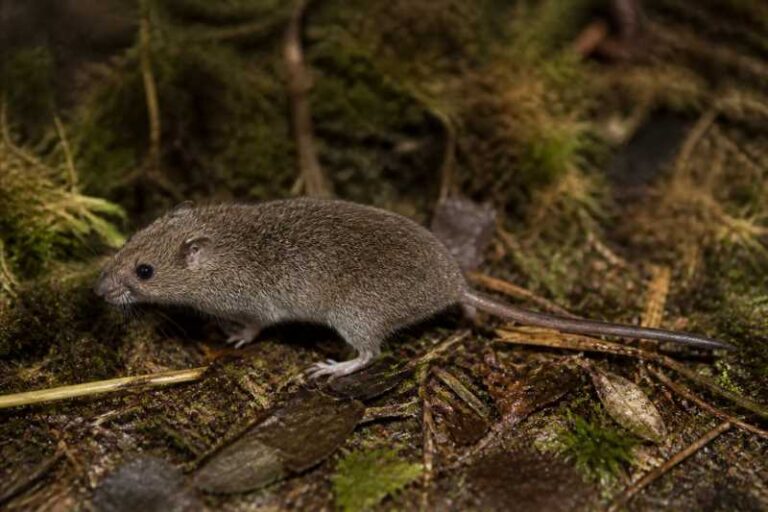
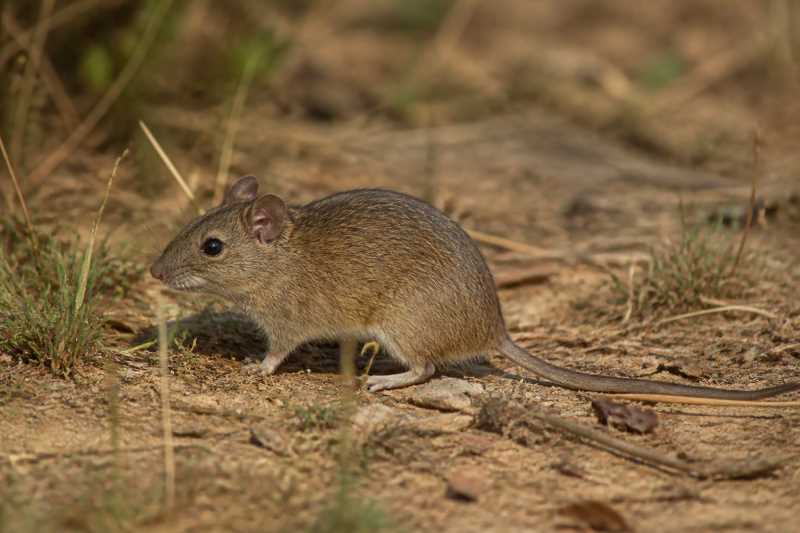
Calomys tocantinsi is a small rodent, generally measuring between 8 to 12 centimeters in body length, with a tail length that almost matches its body. It exhibits a slightly rounded body covered with soft, dense fur that ranges from grayish-brown to a more reddish tint, providing excellent camouflage in its natural habitat. The underbelly is lighter, often a pale gray or creamy white, which is typical among many rodent species. Its ears are relatively small and rounded, while its eyes are large and black, suggesting nocturnal habits. The whiskers are long and sensitive, assisting in navigation and foraging during the night.
Range and Habitat
The Tocantins Vesper Mouse is primarily found in the Cerrado biome of Brazil, particularly in the states of Tocantins and Goiás. This region is characterized by vast savannas, grasslands, and shrublands that offer a diverse range of microhabitats. The Cerrado is known for its rich biodiversity and is considered one of the world’s biodiversity hotspots. Calomys tocantinsi typically inhabits open fields and edges of forests, where it can find ample food sources and shelter. The species is adaptable to various altitudes within its range, although it is most commonly found at lower elevations.
Behavior and Diet
As a nocturnal creature, the Tocantins Vesper Mouse is most active during the night, spending its days in burrows or hidden among dense vegetation. Its diet primarily consists of seeds, grains, and small insects, making it an omnivore. This varied diet aids in its survival in the diverse Cerrado ecosystem, where food availability can be unpredictable. The mouse plays a vital role in seed dispersion, contributing to the propagation of various plant species in its habitat. Social behavior is limited, with individuals typically leading solitary lives except during mating season.
Identification Tips
Identifying the Tocantins Vesper Mouse in the field can be challenging due to its small size and elusive nature. However, there are several key characteristics to look for:
- Fur Color: Look for the distinctive grayish-brown to reddish fur, with a lighter underbelly.
- Size: Note the small size, with a body length of approximately 8 to 12 centimeters.
- Tail: The tail is almost equal to the body length and is sparsely furred.
- Nocturnal Activity: Observations are more likely during the night.
- Habitat: Found in open fields and forest edges within the Cerrado biome.
Conservation Status
Currently, the Tocantins Vesper Mouse is listed as a species of Least Concern by the IUCN. However, the Cerrado biome is facing significant threats due to agricultural expansion, deforestation, and urbanization, which could impact the species’ habitat and population in the future. Protective measures for the Cerrado, including the establishment of conservation areas and sustainable land management practices, are vital for the continued survival of this species. Research and monitoring efforts are essential to understand the population dynamics of Calomys tocantinsi and to implement effective conservation strategies.
Frequently Asked Questions
What is the habitat of the Tocantins Vesper Mouse?
The Tocantins Vesper Mouse inhabits the Cerrado biome in Brazil, primarily in open fields and forest edges. This region provides diverse microhabitats that support its survival.
What does the Tocantins Vesper Mouse eat?
As an omnivore, it primarily consumes seeds, grains, and small insects, which are abundant in its natural habitat.
How can you identify a Tocantins Vesper Mouse?
Key identification cues include its small size, grayish-brown to reddish fur with a lighter underbelly, and a tail length nearly matching its body length.
Is the Tocantins Vesper Mouse endangered?
Currently, it is not endangered and is classified as Least Concern, but habitat threats could pose future risks.
What role does the Tocantins Vesper Mouse play in its ecosystem?
It contributes to seed dispersion and serves as prey for larger predators, playing a crucial part in maintaining the ecological balance of the Cerrado biome.
Related posts