Introduction
The Bahamian Lesser Funnel-eared Bat, scientifically known as Chilonatalus tumidifrons, is a fascinating species within the family Natalidae. These bats are named for their distinctive ear shape, which resembles a funnel, and they are endemic to the Bahamas. Their unique ecological role and captivating behaviors make them a vital component of the island’s biodiversity. This article delves into the various aspects of the species, from its physical characteristics to its conservation status.
Physical Description
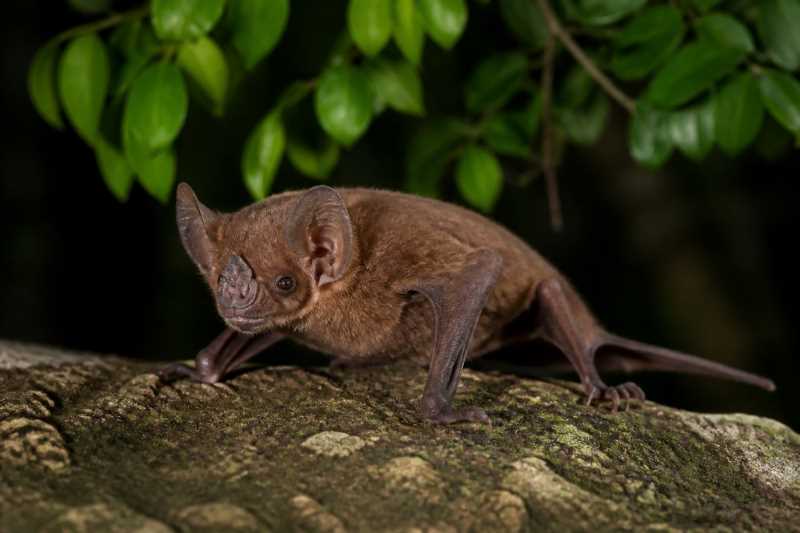
The Bahamian Lesser Funnel-eared Bat is a small bat species characterized by its slender build and unique ear structure. Adults typically weigh between 3 to 5 grams and have a wingspan ranging from 25 to 30 centimeters. Their fur is soft and ranges in color from light brown to grayish-brown, providing excellent camouflage against the limestone caves and forests they inhabit.
The bat’s ears are a defining feature, large and funnel-shaped, aiding in their echolocation abilities. Their wings are long and narrow, adapted for agile flight through dense forests and confined cave spaces. The face of the Chilonatalus tumidifrons is distinctive, with a somewhat flattened appearance and a small, upturned nose.
Range and Habitat
Endemic to the Bahamas, the Bahamian Lesser Funnel-eared Bat primarily inhabits the islands of Great Abaco and Andros. These bats thrive in a variety of environments, from tropical dry forests to limestone caves, which provide essential roosting sites.
The caves are particularly crucial during the day as they offer shelter and maintain a stable microclimate, protecting the bats from predators and extreme weather. At night, these bats venture into the surrounding forests to forage, showcasing their adaptability to different habitats.
Behavior and Diet
Chilonatalus tumidifrons is primarily nocturnal, spending daylight hours roosting in caves and emerging at night to feed. These bats are insectivorous, relying on a diet of moths, beetles, and other small insects. They use their acute echolocation skills to navigate and hunt in complete darkness, emitting high-frequency sounds and interpreting the returning echoes to locate prey.
Socially, these bats are known for their colony-based lifestyle. Roosting colonies can range from a few individuals to several hundred, depending on the size of the cave. This social structure plays a vital role in thermoregulation and predator avoidance.
Identification Tips (Field Recognition Cues)
Identifying the Bahamian Lesser Funnel-eared Bat in the field requires attention to several key characteristics:
- Ear Shape: Look for the distinctive funnel-shaped ears, a hallmark of this species.
- Size: Small and lightweight, these bats typically weigh between 3 to 5 grams.
- Fur Color: Soft, light brown to grayish-brown fur that blends with cave environments.
- Flight Pattern: Agile and nimble flight, often near cave entrances or forest edges at dusk.
Conservation Status (with Threats and Protections)
The Bahamian Lesser Funnel-eared Bat is currently classified as Near Threatened on the IUCN Red List. The primary threats to this species include habitat destruction, particularly the disturbance of roosting caves and deforestation, which leads to the loss of foraging grounds.
Human activities such as tourism development and mining pose significant risks to their habitats. Furthermore, climate change impacts, such as rising sea levels and increased storm frequency, threaten the delicate ecosystems of the Bahamas.
Conservation efforts are crucial to protect these bats. Initiatives include the protection of key roosting sites and the implementation of sustainable land-use practices. Environmental education programs aim to raise awareness about the importance of bats in maintaining ecological balance.
Frequently Asked Questions
1. What does the Bahamian Lesser Funnel-eared Bat eat?
The Bahamian Lesser Funnel-eared Bat primarily feeds on insects, including moths and beetles. Their diet is a crucial factor in controlling insect populations and maintaining ecological balance in their native habitats.
2. Why is the Bahamian Lesser Funnel-eared Bat endangered?
While not currently classified as endangered, this species is considered Near Threatened due to habitat destruction, primarily from deforestation and disturbance of roosting caves. Climate change also poses a significant threat to their natural environments.
3. How can I help protect the Bahamian Lesser Funnel-eared Bat?
Supporting conservation organizations, advocating for sustainable land-use policies, and raising awareness about the ecological importance of bats are effective ways to contribute to the protection of the Bahamian Lesser Funnel-eared Bat.
4. Where can I see the Bahamian Lesser Funnel-eared Bat in the wild?
These bats can be observed in the Bahamas, particularly on the islands of Great Abaco and Andros. They are typically seen near cave entrances or forest edges during dusk as they emerge to forage.
5. How does the Bahamian Lesser Funnel-eared Bat navigate in the dark?
The bat uses echolocation to navigate and hunt in the dark. It emits high-frequency sounds that bounce off objects and return as echoes, allowing the bat to create a mental map of its surroundings and locate prey.
Related posts