Algerian Gerbil (Gerbillus garamantis): A Comprehensive Guide
Introduction
The Algerian Gerbil, scientifically known as Gerbillus garamantis, is a small mammalian species that belongs to the family Muridae. These fascinating rodents are primarily found in North Africa and are known for their adaptability to arid environments. This article delves into the various aspects of the Algerian Gerbil, including its physical characteristics, habitat, behavior, and conservation status, providing a holistic understanding of this intriguing species.
Physical Description
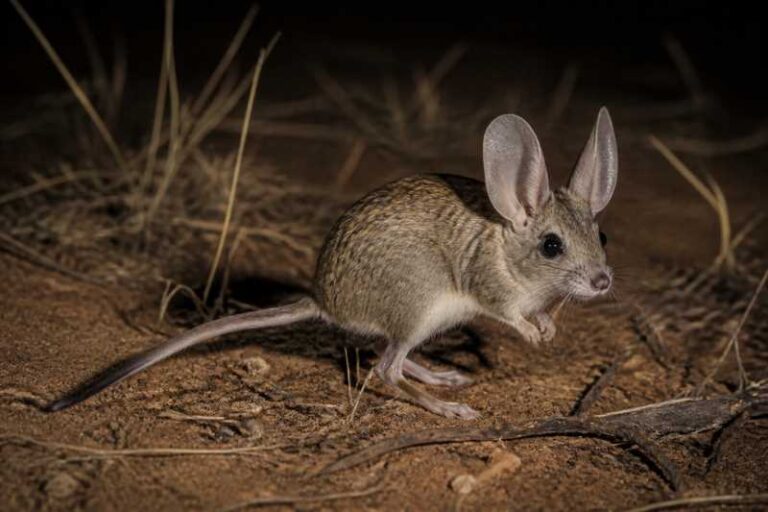
The Algerian Gerbil is characterized by its small size and distinct physical features. On average, these gerbils measure about 10 to 12 centimeters in body length, with a tail that is slightly longer than their body, aiding in balance and agility. The fur of the Algerian Gerbil is typically a sandy or pale brown color, which provides excellent camouflage against the desert landscapes they inhabit.
Their underbelly is usually lighter, almost white, offering a contrast that helps in body temperature regulation. The gerbil’s large, black eyes are adapted for nocturnal vision, allowing them to navigate and forage during nighttime when they are most active. Additionally, their ears are relatively large and rounded, enabling acute hearing to detect predators.
Range and Habitat
The Algerian Gerbil is native to the arid and semi-arid regions of North Africa. Their range primarily extends across Algeria, but they can also be found in parts of Tunisia and Libya. These gerbils have successfully adapted to life in the desert, thriving in environments that offer sparse vegetation and sandy soils.
They inhabit areas such as sandy plains, dunes, and rocky outcrops, where they can dig burrows to escape the extreme temperatures of their environment. The burrows serve as their homes and provide protection against predators and harsh weather conditions. The gerbils are particularly adept at creating complex tunnel systems that can reach significant depths, ensuring a stable microclimate within their underground habitats.
Behavior and Diet
Algerian Gerbils are primarily nocturnal creatures, meaning they are most active during the night. This nocturnal behavior helps them avoid the intense daytime heat of their desert environments. They are solitary animals, each maintaining its own territory, although they may occasionally share burrows with other gerbils during colder months for warmth.
The diet of the Algerian Gerbil mainly consists of seeds, grains, and vegetation, which they forage during the night. Their diet is supplemented with insects and small invertebrates, providing essential proteins and nutrients. These gerbils have an impressive ability to conserve water, obtaining most of the moisture they need from their food, which is crucial for survival in arid regions.
Identification Tips (Field Recognition Cues)
Identifying an Algerian Gerbil in the wild involves observing several key features:
- Fur Coloration: Look for their characteristic sandy or pale brown fur, which blends with the desert terrain.
- Tail Length: Notice the long tail, often longer than the body, which helps in maintaining balance.
- Eye Size: Their large, black eyes are adapted for low-light environments.
- Ear Shape: Their rounded ears are larger compared to other rodents, aiding in acute hearing.
- Behavior: Observe their nocturnal activity patterns and solitary behavior.
Conservation Status (With Threats and Protections)
The Algerian Gerbil is currently classified as a species of Least Concern by the International Union for Conservation of Nature (IUCN). However, like many desert-dwelling species, they face threats from habitat destruction and climate change. Agricultural expansion and urban development in their native range can lead to habitat loss, while climate change can alter the arid environments they depend on.
Conservation measures for the Algerian Gerbil include habitat protection and monitoring population trends. Protecting their natural habitats from agricultural encroachment and ensuring sustainable land-use practices are vital for their continued survival. Additionally, research efforts aimed at understanding their ecology and behavior can aid in developing effective conservation strategies.
Frequently Asked Questions
What is the average lifespan of an Algerian Gerbil?
Algerian Gerbils typically live for about 3 to 5 years in the wild. Their lifespan can be influenced by factors such as predation, food availability, and environmental conditions.
How do Algerian Gerbils adapt to desert environments?
Algerian Gerbils have developed several adaptations to survive in desert environments, including nocturnal activity to avoid daytime heat, efficient water conservation from their diet, and burrowing behavior to escape extreme temperatures.
Are Algerian Gerbils endangered?
Currently, Algerian Gerbils are not considered endangered and are classified as Least Concern by the IUCN. However, they face threats from habitat destruction and climate change, which require ongoing conservation efforts.
What do Algerian Gerbils eat?
Their diet primarily consists of seeds, grains, and vegetation. They also consume insects and small invertebrates to supplement their nutritional needs.
How can I identify an Algerian Gerbil in the wild?
To identify an Algerian Gerbil, look for their sandy or pale brown fur, long tail, large eyes, and rounded ears. Observing their nocturnal and solitary behavior can also help in identification.
Related posts