Introduction
The Steppe Vole, scientifically known as Lagurus lagurus, is a small mammal species that plays a crucial role in the ecosystem of the Eurasian steppes. Often overshadowed by larger or more charismatic wildlife, this diminutive rodent is an essential part of its habitat’s biodiversity. As a species that thrives in grassland environments, the Steppe Vole has adapted remarkably to its surroundings, displaying unique characteristics that make it a fascinating subject of study for both scientists and nature enthusiasts alike.
This article delves into the world of the Steppe Vole, exploring its physical characteristics, habitat preferences, behavioral traits, and dietary habits. Additionally, we will examine the conservation status of the species, identifying the threats it faces and the protections in place to ensure its survival. For those interested in observing these creatures in the wild, we will provide field recognition cues to aid in identification. Finally, a Frequently Asked Questions section will address common queries about this intriguing mammal.
Physical Description
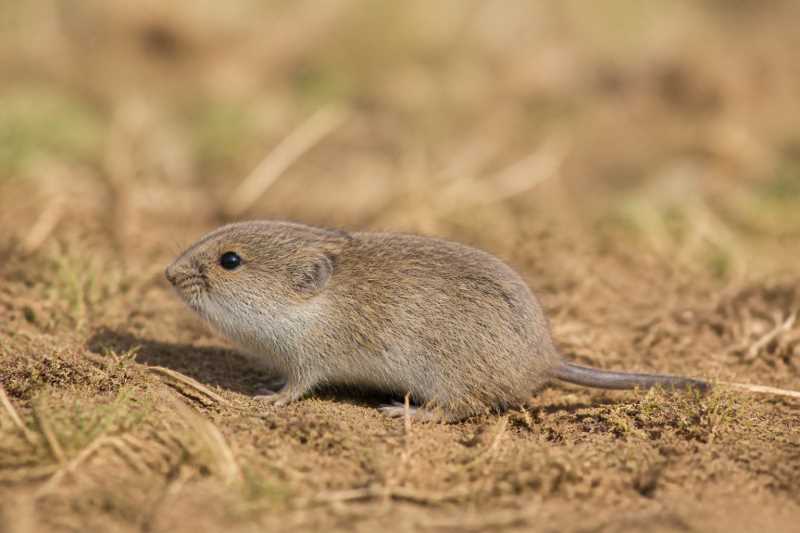
The Steppe Vole is a small rodent that belongs to the family Cricetidae. It is characterized by its compact and sturdy body, which typically measures between 10 to 13 centimeters in length, excluding the tail. The tail itself is relatively short, roughly 1 to 3 centimeters long, a distinctive feature that differentiates it from other vole species.
The pelage of the Steppe Vole is another distinguishing characteristic. It has a dense and soft coat that varies in color from grayish-brown to a more yellowish hue, providing effective camouflage against the steppe grasses. The underbelly is usually lighter, often displaying a whitish or pale gray tone. These voles have small ears that are almost hidden within their fur, and their eyes are small and beady, adapted to their burrowing lifestyle.
Range and Habitat
The Steppe Vole is predominantly found across the vast Eurasian steppes, extending from Eastern Europe through Central Asia to Northern China. Its range covers countries such as Russia, Kazakhstan, Mongolia, and parts of Ukraine. This species thrives in open grassland habitats, particularly favoring steppe regions, semi-deserts, and sometimes agricultural fields.
Preferring areas with dense vegetation, the Steppe Vole is well adapted to life in environments where it can easily construct burrow systems. These burrows provide protection from predators and harsh weather conditions. The species is also known to inhabit areas with sandy or loamy soils, which facilitate easier digging and create suitable conditions for burrow construction.
Behavior and Diet
The Steppe Vole is primarily a nocturnal and crepuscular creature, meaning it is most active during the twilight hours of dawn and dusk. This behavior helps it avoid daytime predators and the extreme temperatures often encountered in its native habitats. Social in nature, Steppe Voles are known to live in colonies, which can contribute to their survival by providing mutual protection and facilitating reproduction.
In terms of diet, the Steppe Vole is herbivorous, feeding predominantly on grasses, seeds, and other plant materials. During the summer months, when food is abundant, they actively forage above ground. In contrast, during the winter, they rely on stored food within their burrows to survive the scarcity of resources. This diet plays a vital role in shaping the ecosystem, as it influences plant community composition and provides a food source for predators.
Identification Tips (Field Recognition Cues)
Identifying a Steppe Vole in the field can be challenging due to its elusive nature and the similarity to other small rodent species. However, several key features can aid in its identification:
- Size and Shape: Look for a small rodent with a stout, compact body, measuring around 10 to 13 centimeters in length.
- Tail Length: Note the very short tail, which is significantly shorter than the body, measuring only 1 to 3 centimeters.
- Coloration: Observe the fur coloration, which tends to be grayish-brown to yellowish, with a lighter underbelly.
- Burrows: Spotting their burrow systems can be a clue, as these are often found in dense grassland areas.
- Activity Patterns: Pay attention to their activity during dawn and dusk, which is when they are most likely to be seen above ground.
Conservation Status (with threats and protections)
The International Union for Conservation of Nature (IUCN) currently lists the Steppe Vole as a species of "Least Concern" due to its wide distribution and presumed large population. However, like many wildlife species, it faces several threats that could impact its populations in the future.
Threats:
- Habitat Loss: Agricultural expansion and industrial development have led to significant habitat destruction and fragmentation.
- Climate Change: Alterations in temperature and precipitation patterns can affect food availability and habitat conditions.
- Predation: Natural predators such as birds of prey, foxes, and other carnivorous mammals pose a threat to voles.
Protections:
- Protected Areas: Some of the regions inhabited by the Steppe Vole are designated as protected areas, which help conserve their habitat.
- Research and Monitoring: Ongoing research and monitoring efforts are essential to understand population dynamics and adapt conservation strategies accordingly.
Frequently Asked Questions
1. What is the lifespan of a Steppe Vole?
The average lifespan of a Steppe Vole in the wild is typically around 1 to 1.5 years. However, under favorable conditions and in the absence of predators, they can live up to 2 years.
2. How do Steppe Voles contribute to their ecosystem?
Steppe Voles play a crucial role in their ecosystem by influencing plant community dynamics through their feeding habits. They also serve as a vital food source for numerous predators, thus supporting the higher trophic levels of the food chain.
3. Are Steppe Voles considered pests?
In some agricultural areas, Steppe Voles can be considered pests due to their feeding on crops. They can cause significant damage to grains and grasses, leading to economic losses for farmers.
4. How do Steppe Voles survive harsh winters?
Steppe Voles survive harsh winters by storing food in their burrows during the summer and fall. These food reserves, along with their insulated burrows, help them endure periods of cold and food scarcity.
5. Can Steppe Voles be kept as pets?
While it is technically possible to keep Steppe Voles as pets, they are not commonly domesticated. Their specific habitat and social needs make them challenging to care for in a typical home environment.
Related posts