Introduction
The Southern Hoary Bat (Lasiurus villosissimus) is a fascinating mammal species that captivates both researchers and wildlife enthusiasts alike. Renowned for its distinctive appearance and remarkable flight abilities, this bat species is part of the Vespertilionidae family. As a migratory bat, the Southern Hoary Bat is primarily found in South America, where its presence plays a crucial role in maintaining ecological balance. In this comprehensive article, we’ll delve into various aspects of this intriguing species, including its physical description, range and habitat, behavior and diet, identification tips, conservation status, and more.
Physical Description
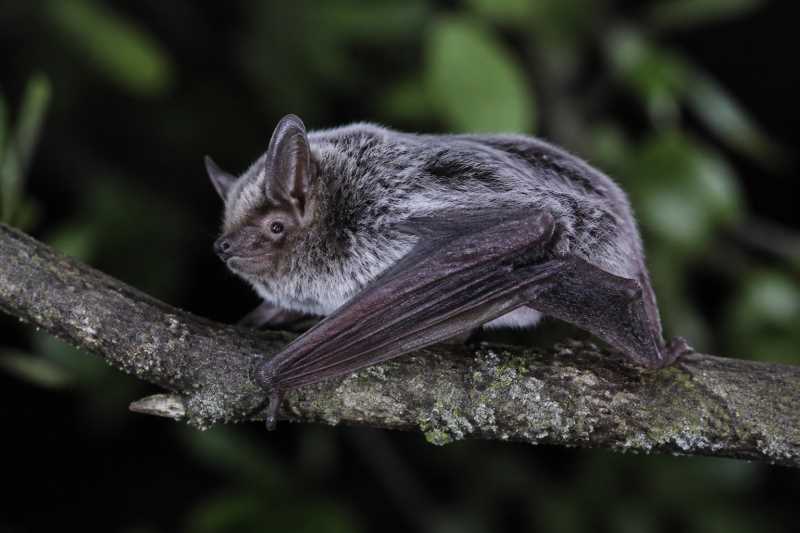
The Southern Hoary Bat is notable for its striking appearance, which sets it apart from other bat species. Characterized by a dense, soft fur coat, this bat features a unique coloration that gives it its name. The fur is predominantly dark brown or black with a prominent hoary, or frosted, appearance due to the silver-tipped fur. This distinctive coloration provides excellent camouflage against predators and during roosting.
The Southern Hoary Bat is medium-sized, with an average wingspan ranging from 35 to 45 centimeters (14 to 18 inches) and a body length of approximately 13 to 15 centimeters (5 to 6 inches). The bat’s body is robust, and its wings are long and narrow, making it an adept flier capable of agile maneuvers during flight. The ears are rounded, and the bat possesses a blunt nose, which is typical of the Lasiurus genus.
Range and Habitat
The Southern Hoary Bat is predominantly found in South America, with its range extending from Argentina to Brazil, Paraguay, and Uruguay. This bat species is highly adaptable and can be found in various habitats, including forests, woodlands, grasslands, and even urban areas. It prefers habitats with abundant tree cover, which provides suitable roosting sites and ample feeding opportunities.
During the day, the Southern Hoary Bat roosts in trees, often selecting dense foliage or cavities to avoid detection by predators. Its preference for roosting in trees makes it vulnerable to deforestation and habitat destruction. The bat is known to migrate seasonally, moving between different regions to take advantage of food availability and favorable climatic conditions.
Behavior and Diet
The Southern Hoary Bat is a solitary creature, primarily active during twilight and nighttime hours. Its nocturnal habits are driven by the availability of prey and the need to avoid diurnal predators. The bat employs echolocation to navigate and locate food, emitting high-frequency sounds that bounce off objects and return as echoes.
Diet-wise, the Southern Hoary Bat is an insectivore, feeding on a variety of nocturnal insects, including moths, beetles, and flies. Its agile flight and keen echolocation abilities enable it to capture prey mid-air with remarkable precision. The bat’s diet plays a critical role in controlling insect populations, thus contributing to the ecological balance in its habitat.
Identification Tips (Field Recognition Cues)
Identifying the Southern Hoary Bat in the field can be challenging due to its nocturnal nature and preference for secluded roosting sites. However, there are several key features to look for:
- Fur Coloration: Look for the distinctive hoary, frosted appearance of the bat’s fur, with silver-tipped hairs providing a shimmering effect.
- Size and Shape: Note the medium size, with a wingspan of 35 to 45 cm, and the robust body shape typical of the Lasiurus genus.
- Flight Pattern: Observe the bat’s flight, which is characterized by swift, agile maneuvers and rapid changes in direction.
- Echolocation Calls: Listen for the bat’s echolocation calls, which may be audible with the use of a bat detector.
Conservation Status (With Threats and Protections)
The conservation status of the Southern Hoary Bat is currently listed as "Data Deficient" by the International Union for Conservation of Nature (IUCN). This classification indicates that there is insufficient data to make a comprehensive assessment of its population trends and threats. However, several factors pose potential risks to the species:
- Habitat Loss: Deforestation and habitat destruction are major threats, leading to the loss of roosting and foraging sites.
- Pesticide Use: The widespread use of pesticides in agriculture can reduce insect populations, affecting the bat’s food supply.
- Climate Change: Changing climatic conditions can disrupt migratory patterns and alter habitat availability.
Conservation efforts focus on protecting natural habitats and promoting sustainable land-use practices. Further research is needed to better understand the species’ ecology, distribution, and population dynamics.
Frequently Asked Questions
1. What is the primary diet of the Southern Hoary Bat?
The Southern Hoary Bat is an insectivore, primarily feeding on nocturnal insects such as moths, beetles, and flies. Its diet is crucial for controlling insect populations and maintaining ecological balance.
2. Where can the Southern Hoary Bat be found?
This bat species is native to South America, with its range extending from Argentina to Brazil, Paraguay, and Uruguay. It is highly adaptable and can be found in forests, woodlands, grasslands, and urban areas.
3. How does the Southern Hoary Bat navigate and hunt for food?
The Southern Hoary Bat uses echolocation to navigate and locate prey. It emits high-frequency sounds that bounce off objects, allowing it to detect and capture insects mid-air with precision.
4. What are the major threats to the Southern Hoary Bat?
Major threats to the Southern Hoary Bat include habitat loss due to deforestation, pesticide use affecting food supply, and climate change disrupting migratory patterns and habitats.
5. How can the Southern Hoary Bat be identified in the field?
To identify the Southern Hoary Bat, look for its hoary, frosted fur coloration, medium size, agile flight pattern, and echolocation calls. Using a bat detector can aid in audio identification.
Related posts