Tschudi’s Pygmy Rice Rat: A Comprehensive Overview
Introduction
Tschudi’s Pygmy Rice Rat (Oligoryzomys destructor) is a small mammalian species belonging to the family Cricetidae. Native to South America, this elusive rodent plays a crucial role in its ecosystem, serving as both a seed disperser and a prey species for a variety of predators. Despite its ecological importance, the Tschudi’s Pygmy Rice Rat remains relatively understudied, with much of its behavior and ecology shrouded in mystery.
The species was first described by the Swiss naturalist Johann Jakob von Tschudi in the 19th century, and since then, it has piqued the interest of biologists and conservationists alike. Understanding the life and habitat of this small rodent not only enriches our knowledge of biodiversity in the regions it inhabits but also helps in crafting effective conservation strategies to protect it from emerging threats.
Physical Description
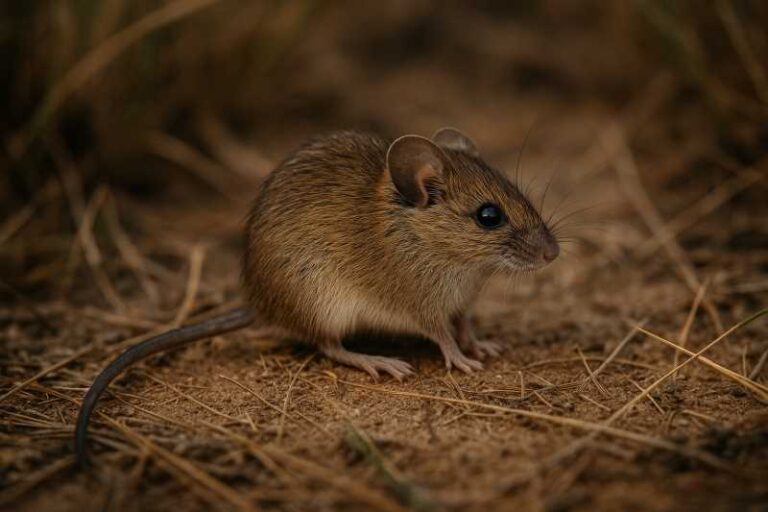
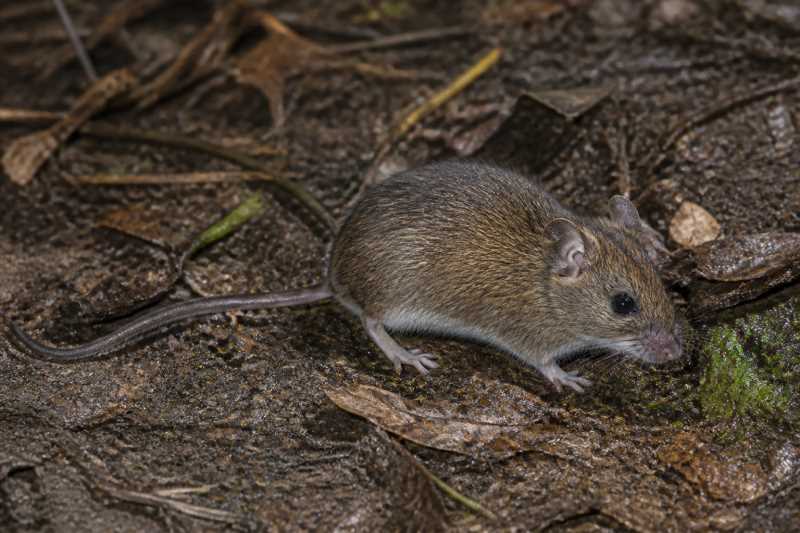
Tschudi’s Pygmy Rice Rat is a diminutive rodent, typically measuring between 10 to 15 centimeters in total length, including its tail. The tail itself is nearly as long as the body, aiding in balance and agility. The species exhibits sexual dimorphism, with males generally being slightly larger than females.
The fur of Oligoryzomys destructor is soft and dense, providing insulation in its varied habitats. The dorsal side is generally a grayish-brown, providing camouflage against the forest floor, while the ventral side is lighter, often white or a pale gray. This coloration helps the rat blend into its surroundings, a necessary adaptation for avoiding predators.
The head of Tschudi’s Pygmy Rice Rat is characterized by a pointed snout and large, dark eyes, which are well-adapted for its nocturnal lifestyle. Its ears are relatively large and rounded, providing acute hearing capabilities essential for detecting predators. The limbs are short but strong, with sharp claws that assist in climbing and foraging.
Range and Habitat
The Tschudi’s Pygmy Rice Rat is found predominantly in the Andean regions of South America, with its range extending through countries such as Peru, Bolivia, and Ecuador. Its preferred habitats are varied, ranging from lowland tropical forests to montane cloud forests, and even into the altitudinal grasslands.
This adaptability to different environments is a testament to the species’ evolutionary success, allowing it to occupy niches that are often overlooked by larger mammals. Within these habitats, the Tschudi’s Pygmy Rice Rat is typically found in areas with dense underbrush and ample ground cover, which provide both food resources and protection from predators.
Behavior and Diet
Tschudi’s Pygmy Rice Rat is primarily nocturnal, engaging in most of its foraging activities under the cover of darkness. This behavior is likely an evolutionary adaptation to reduce predation risk and to exploit food resources that are less accessible during daylight hours.
The diet of Oligoryzomys destructor is omnivorous, consisting mainly of seeds, fruits, and insects. This varied diet allows the species to adapt to seasonal changes in food availability, ensuring its survival across diverse habitats. The rat plays a crucial ecological role as a seed disperser, aiding in the propagation of numerous plant species within its ecosystem.
Social behavior in Tschudi’s Pygmy Rice Rat is not well-documented, but like many small rodents, it is likely to be solitary or live in small family groups. Communication is likely achieved through vocalizations, scent markings, and tactile interactions.
Identification Tips
Field identification of Tschudi’s Pygmy Rice Rat can be challenging due to its elusive nature and similarity to other small rodent species. However, several key characteristics can aid in its recognition:
- Size and Proportions: Observe the small size, with a total length of 10 to 15 centimeters, and a tail that is nearly equal to the body length.
- Coloration: Look for the distinctive grayish-brown dorsal fur and lighter ventral side, which can serve as camouflage.
- Facial Features: Note the pointed snout, large dark eyes, and relatively large, rounded ears.
- Behavior: Its nocturnal activity patterns and habitat preferences can also help distinguish it from other species.
- Habitat: Consider the elevation and type of forest when identifying potential habitats.
Conservation Status
As of the latest assessments, Tschudi’s Pygmy Rice Rat is classified as "Least Concern" by the International Union for Conservation of Nature (IUCN). However, like many species within its range, it faces potential threats from habitat destruction, primarily due to deforestation and agricultural expansion.
Although the species is not currently at immediate risk, ongoing monitoring is essential to ensure that population numbers remain stable. Conservation efforts should focus on habitat preservation and mitigating the impacts of human encroachment. Protective legislation in countries like Peru and Bolivia provides a framework for conserving critical habitats, but enforcement and expansion of these protections are necessary to safeguard the species’ future.
Frequently Asked Questions
What is the primary diet of Tschudi’s Pygmy Rice Rat?
Tschudi’s Pygmy Rice Rat is omnivorous, feeding on a variety of seeds, fruits, and insects. This diverse diet helps it adapt to seasonal changes in food availability.
Where can Tschudi’s Pygmy Rice Rat be found?
The species is found in the Andean regions of South America, primarily in Peru, Bolivia, and Ecuador, inhabiting lowland tropical forests, montane cloud forests, and altitudinal grasslands.
How does Tschudi’s Pygmy Rice Rat contribute to its ecosystem?
It plays a vital role as a seed disperser, aiding in plant propagation. It also serves as prey for larger predators, contributing to the food web.
What are the main threats to Tschudi’s Pygmy Rice Rat?
The primary threats include habitat destruction due to deforestation and agricultural expansion. Conservation efforts focus on habitat preservation and legal protections.
How can Tschudi’s Pygmy Rice Rat be identified in the field?
Identification can be based on its small size, distinctive coloration, nocturnal behavior, and habitat preferences. Key features include a grayish-brown dorsal side and a pointed snout.
Related posts