Introduction
Goldman’s Diminutive Woodrat, scientifically known as Nelsonia goldmani, is a lesser-known rodent species that captivates biologists and wildlife enthusiasts. This small mammal, endemic to Mexico, inhabits specific ecosystems, playing a crucial role in its habitat’s biodiversity. This article delves into the various aspects of the Goldman’s Diminutive Woodrat, from its physical attributes and habitat to its behavior and conservation status.
Physical Description
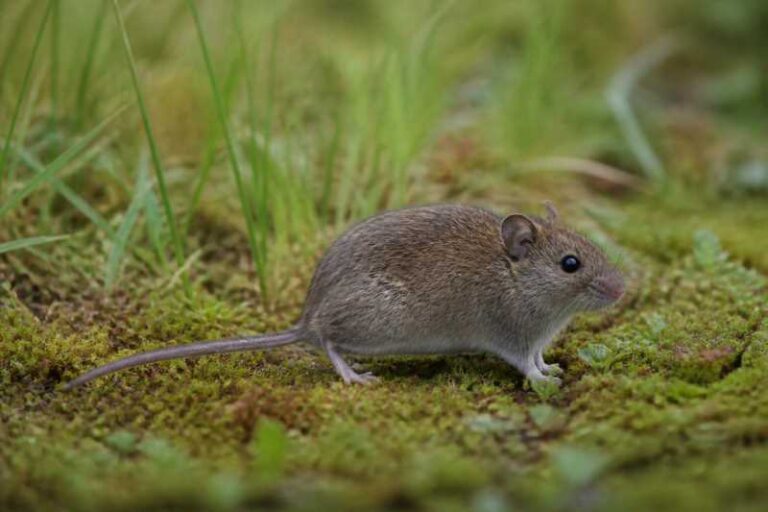
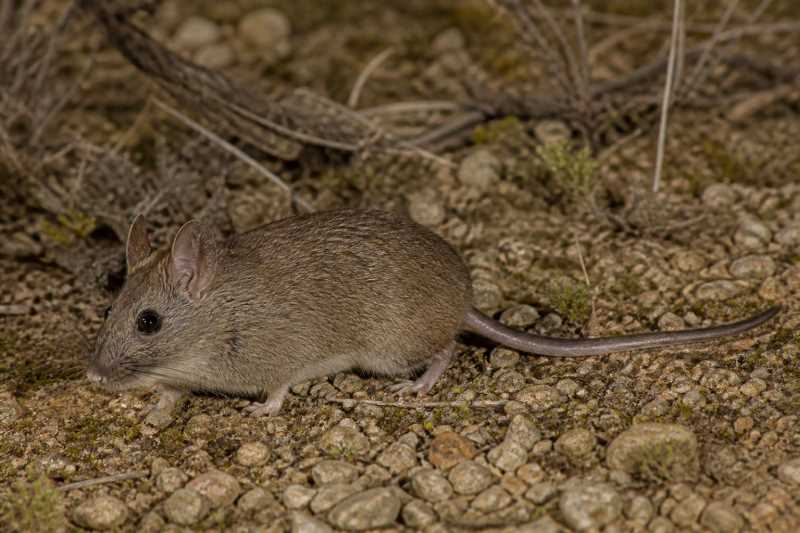
Goldman’s Diminutive Woodrat is a small rodent, typically measuring between 15 to 20 centimeters in length, including its tail. Its fur is soft and dense, predominantly grayish-brown on the dorsal side, with lighter underparts. The tail is relatively long, covered in fur, which aids in balance and mobility. Its large ears and prominent, dark eyes are well-adapted for nocturnal activity, enhancing its sensory perception in the low-light conditions of its habitat.
The woodrat’s physical build is compact, with strong limbs and sharp claws that facilitate climbing and foraging. These physical traits not only contribute to its survival but also enable it to thrive in its niche environment.
Range and Habitat
Goldman’s Diminutive Woodrat is primarily found in the mountainous regions of Central Mexico. Its range includes the Sierra Madre Oriental and the Trans-Mexican Volcanic Belt, where it inhabits temperate forests, oak-pine woodlands, and shrublands.
The species prefers areas with dense undergrowth and ample ground cover, which provide shelter from predators and harsh weather conditions. The availability of food sources, such as seeds and fruits, also influences its habitat selection. The woodrat’s range is somewhat limited due to its specific habitat requirements, making conservation efforts vital for its survival.
Behavior and Diet
Goldman’s Diminutive Woodrat is primarily nocturnal, exhibiting peak activity during the night. This behavior helps it avoid daytime predators and take advantage of cooler temperatures. It is a solitary creature, with interactions mainly occurring during the breeding season.
The diet of Goldman’s Diminutive Woodrat primarily consists of seeds, fruits, and various plant materials. It is also known to consume insects occasionally. The woodrat plays a vital ecological role as a seed disperser, contributing to the regeneration of its habitat. Its foraging habits involve caching food in hidden locations, a behavior that ensures a stable food supply during scarce periods.
Identification Tips (Field Recognition Cues)
Recognizing Goldman’s Diminutive Woodrat in the field requires attention to several distinct features:
- Size and Build: Look for a small, compact rodent with a body length of 15 to 20 centimeters.
- Fur Coloration: Notice the grayish-brown dorsal fur and lighter underparts.
- Tail Characteristics: A long, furry tail aids identification, especially when seen in motion.
- Ears and Eyes: Large ears and prominent eyes are adaptations for nocturnal life.
- Habitat Preference: Observations are more likely in dense undergrowth within temperate forests.
Conservation Status (With Threats and Protections)
Goldman’s Diminutive Woodrat is currently listed as Near Threatened on the IUCN Red List. The species faces several threats, primarily habitat loss due to deforestation, agricultural expansion, and urban development. These activities not only reduce available habitat but also fragment populations, making it harder for individuals to find mates and resources.
Conservation efforts for this species involve protecting its natural habitat through the establishment of protected areas and promoting sustainable land-use practices. Additionally, research programs aim to better understand its ecology and population dynamics, which are crucial for devising effective conservation strategies.
Frequently Asked Questions
Q1: Where can Goldman’s Diminutive Woodrat be found?
Goldman’s Diminutive Woodrat is endemic to Mexico, primarily found in the Sierra Madre Oriental and Trans-Mexican Volcanic Belt. It inhabits temperate forests and oak-pine woodlands.
Q2: What is the diet of Goldman’s Diminutive Woodrat?
The diet consists mainly of seeds, fruits, and plant materials, with occasional insect consumption. The woodrat plays a significant role in seed dispersal in its ecosystem.
Q3: How does habitat loss affect Goldman’s Diminutive Woodrat?
Habitat loss due to deforestation and development is a major threat, leading to population fragmentation and reduced resources, which impacts survival and reproduction.
Q4: What conservation measures are in place for Goldman’s Diminutive Woodrat?
Conservation measures include habitat protection, establishment of protected areas, and research initiatives to understand the species’ ecology and aid in its conservation.
Q5: How can I identify Goldman’s Diminutive Woodrat in the wild?
Look for a small, grayish-brown rodent with a furry tail, large ears, and prominent eyes. It is usually found in dense undergrowth within temperate forests.
Related posts