Introduction
The Gray-bellied Rice Rat, scientifically known as Nephelomys moerex, is a fascinating rodent species native to the high-altitude regions of South America. This elusive mammal has garnered interest from biologists and wildlife enthusiasts due to its unique adaptations and ecological role. The Gray-bellied Rice Rat is a part of the diverse Cricetidae family, which includes various species of rats and mice. Understanding this species is crucial for appreciating the biodiversity within its habitat and for implementing effective conservation strategies.
Physical Description
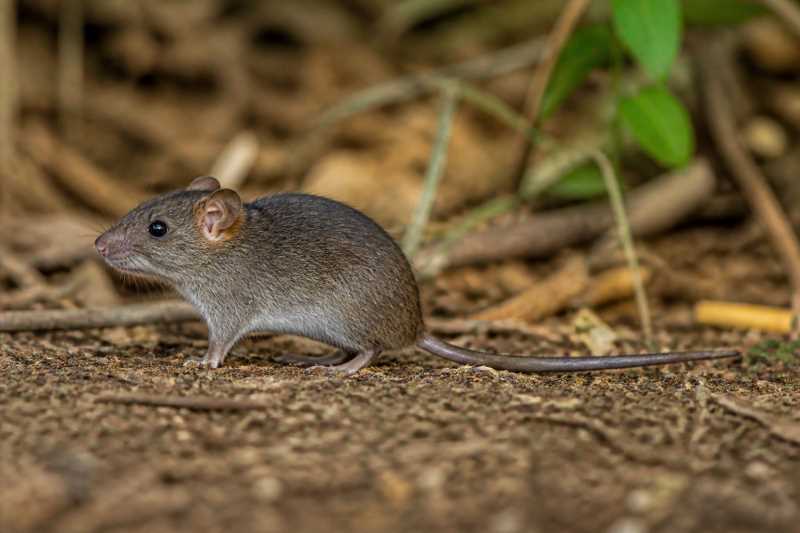
The Gray-bellied Rice Rat is characterized by its medium-sized body, measuring approximately 15 to 20 centimeters in length, excluding the tail. The tail itself is relatively long and slender, often matching the length of the body, which aids in balance and agility. The most distinctive feature of this species is its grayish belly, from which it derives its common name. The dorsal fur is typically a rich, reddish-brown or dark brown, providing excellent camouflage among the forest floor litter. Its fur is dense and soft, offering protection against the cold temperatures of its mountainous habitat.
The ears of the Gray-bellied Rice Rat are moderate in size, rounded, and covered with fine hair, while the whiskers are long and sensitive, aiding in navigation through its environment. The eyes are small but adapted for low-light conditions, reflecting its nocturnal lifestyle. The limbs are equipped with sharp claws, which facilitate digging and climbing.
Range and Habitat
Nephelomys moerex is primarily found in the Andean regions of South America, with its range extending across countries such as Ecuador, Peru, and Colombia. It inhabits cloud forests and montane regions, thriving at altitudes between 1,500 to 3,000 meters above sea level. These ecosystems are characterized by high humidity, dense vegetation, and cool temperatures, providing an ideal environment for the species.
The Gray-bellied Rice Rat prefers areas with abundant ground cover, such as fallen logs, leaf litter, and dense underbrush, which offer both protection from predators and access to food resources. This species is also known to occupy areas near water sources, like streams and rivers, which are crucial for its survival.
Behavior and Diet
The Gray-bellied Rice Rat is primarily nocturnal, emerging at night to forage and avoid daytime predators. It is an omnivorous species, with a diet consisting of seeds, fruits, insects, and small invertebrates. Their foraging behavior plays a significant role in seed dispersal, contributing to the health and regeneration of forest ecosystems.
These rats are solitary animals, often establishing individual territories that they mark with scent glands. While they are generally solitary, they may come together during the breeding season, which occurs several times a year. The species is known for its adaptability, capable of altering its diet and habits based on the availability of resources.
Identification Tips (Field Recognition Cues)
Identifying the Gray-bellied Rice Rat in the field requires attention to specific characteristics:
- Coloration: Look for the grayish belly and reddish-brown dorsal fur.
- Size: Note the medium body size with a long tail.
- Habitat: Observe the environment; this species is often found in high-altitude, humid forests.
- Activity: It is mostly active at night, so sightings during daylight are rare.
- Behavior: Listen for rustling in leaf litter, which may indicate foraging activity.
Conservation Status (With Threats and Protections)
The Gray-bellied Rice Rat is currently classified as Least Concern by the International Union for Conservation of Nature (IUCN). However, like many species inhabiting cloud forests, it faces potential threats from habitat destruction and climate change. Deforestation for agriculture and urban expansion continues to encroach upon its natural habitat, reducing the available range and resources.
Conservation efforts focus on protecting large tracts of cloud forest and promoting sustainable land-use practices. Establishing more protected areas and enforcing environmental regulations are crucial steps in ensuring the survival of the Gray-bellied Rice Rat and the biodiversity of its habitat.
Frequently Asked Questions
What is unique about the Gray-bellied Rice Rat?
The Gray-bellied Rice Rat is unique due to its adaptation to high-altitude environments and its role in seed dispersal, contributing to the ecological health of cloud forests.
Where can the Gray-bellied Rice Rat be found?
This species is primarily found in the Andean cloud forests of South America, particularly in Ecuador, Peru, and Colombia, at elevations of 1,500 to 3,000 meters.
What does the Gray-bellied Rice Rat eat?
The Gray-bellied Rice Rat is omnivorous, feeding on a varied diet of seeds, fruits, insects, and small invertebrates, allowing it to adapt to different environmental conditions.
How does the Gray-bellied Rice Rat contribute to its ecosystem?
By dispersing seeds and controlling insect populations, the Gray-bellied Rice Rat plays a vital role in maintaining the balance and diversity of its ecosystem, aiding in forest regeneration.
Are Gray-bellied Rice Rats endangered?
Currently, the Gray-bellied Rice Rat is not considered endangered, but habitat destruction poses a future risk, emphasizing the need for conservation efforts.
Related posts