Cerqueira’s Rice Rat: An In-depth Exploration
Introduction
Cerqueira’s Rice Rat, scientifically known as Euryoryzomys cerqueirai, is a fascinating mammalian species belonging to the Cricetidae family. This species, though not as widely known as some of its rodent counterparts, plays a crucial role in its ecosystem. Native to South America, Cerqueira’s Rice Rat contributes significantly to the biodiversity of its habitat. This article delves into the various aspects of this intriguing species, from its physical characteristics and behavioral patterns to its conservation status, providing a comprehensive overview for enthusiasts and researchers alike.
Physical Description
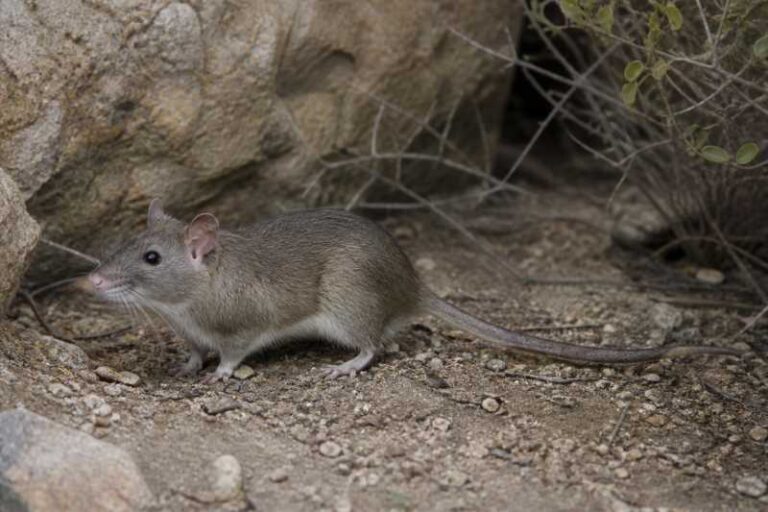
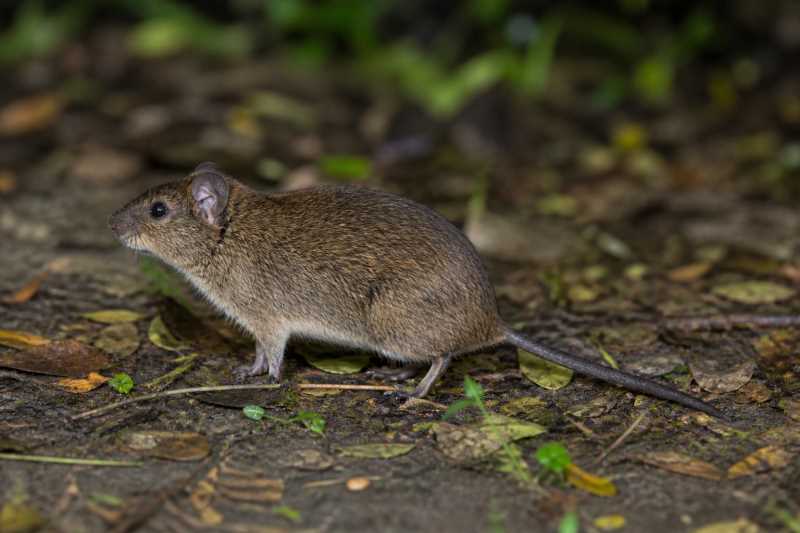
Cerqueira’s Rice Rat is a small to medium-sized rodent characterized by its sleek body and delicate features. Typically, these rats exhibit fur that ranges from a soft gray to a brownish hue, providing excellent camouflage in their natural habitat. Their underbelly is usually lighter, often displaying a white or pale gray color.
The species boasts a slender, elongated body, with adults typically measuring between 15 to 20 centimeters in length, not including their tail. The tail itself is relatively long, often matching or exceeding the length of the body, and is covered with fine hairs. Their ears are small and rounded, and they have a pointed snout, which aids in foraging activities.
Cerqueira’s Rice Rat has large, prominent eyes, a feature that suggests an adaptation to a nocturnal lifestyle. Their whiskers are long and sensitive, serving as critical sensory tools that help them navigate through dense vegetation and avoid predators.
Range and Habitat
Cerqueira’s Rice Rat is predominantly found in the Atlantic Forest of Brazil, a region known for its rich biodiversity and complex ecosystems. This forested area provides an ideal habitat for the species, offering ample resources and shelter. The rat’s range is primarily limited to southeastern Brazil, where it thrives in both primary and secondary forests.
The Atlantic Forest, however, is one of the most threatened biomes in the world, with vast areas having been cleared for agriculture, urban development, and other human activities. Despite this, Cerqueira’s Rice Rat demonstrates a degree of adaptability, often inhabiting disturbed areas and regenerating forests. This adaptability, however, should not overshadow the importance of preserving their natural habitats to ensure their long-term survival.
Behavior and Diet
Cerqueira’s Rice Rat is primarily nocturnal, spending most of its active hours foraging for food under the cover of darkness. This behavior not only helps them avoid predators but also reduces competition with other diurnal species.
Their diet is omnivorous, consisting mainly of seeds, fruits, insects, and small invertebrates. As opportunistic feeders, they play a vital role in seed dispersal, contributing to forest regeneration and biodiversity. The rats are known to utilize their sharp incisors to break into hard-shelled seeds and fruits, showcasing their adaptability and resourcefulness.
Socially, Cerqueira’s Rice Rats are relatively solitary, with interactions primarily occurring during the breeding season. Breeding typically coincides with the rainy season when food is abundant. Females give birth to litters of 2 to 5 young, who are weaned within a few weeks and become independent shortly thereafter.
Identification Tips (Field Recognition Cues)
Identifying Cerqueira’s Rice Rat in the field requires careful observation and a keen eye for detail. Here are some tips that can aid in their recognition:
- Size and Shape: Look for a small to medium-sized rodent with a slender body and a proportionally long tail.
- Coloration: Note the soft gray to brownish fur on their back, with a lighter underbelly.
- Tail: Check for a tail that is as long as or longer than the body, covered with fine hairs.
- Ears and Eyes: Identify the small, rounded ears and large, dark eyes indicative of nocturnal habits.
- Habitat: Focus on areas within the Atlantic Forest, particularly in southeastern Brazil, where they are most likely to be found.
Conservation Status (with Threats and Protections)
Cerqueira’s Rice Rat is currently classified as a species of Least Concern by the International Union for Conservation of Nature (IUCN). However, like many species within the Atlantic Forest, it faces significant threats due to habitat destruction and fragmentation.
The primary threat to their survival is deforestation, driven by agricultural expansion, logging, and urbanization. Such activities not only reduce available habitat but also isolate populations, making them more vulnerable to other threats like disease and predation.
Conservation efforts aimed at preserving the Atlantic Forest are crucial for the continued existence of Cerqueira’s Rice Rat. Protected areas and ecological corridors can help maintain viable populations by ensuring habitat connectivity. Additionally, reforestation projects and sustainable land-use practices are essential in mitigating the adverse effects of human activities.
Frequently Asked Questions
- What is the primary diet of Cerqueira’s Rice Rat?
Cerqueira’s Rice Rat is omnivorous, feeding on seeds, fruits, insects, and small invertebrates. Their diet plays a crucial role in seed dispersal, aiding forest regeneration.
- Where can Cerqueira’s Rice Rat be found?
This species is native to the Atlantic Forest of southeastern Brazil, thriving in both primary and secondary forests within this region.
- How does habitat destruction affect Cerqueira’s Rice Rat?
Habitat destruction, primarily due to deforestation, reduces available habitat and isolates populations, increasing their vulnerability to threats like disease and predation.
- Are there any conservation measures in place for Cerqueira’s Rice Rat?
Yes, conservation efforts include protected areas, ecological corridors, and reforestation projects aimed at preserving the Atlantic Forest and maintaining viable populations.
- How can I identify Cerqueira’s Rice Rat in the wild?
Look for a small to medium-sized rodent with a slender body, long tail, gray to brownish fur, and a habitat within the Atlantic Forest.
Related posts