Annamite White-toothed Shrew (Crocidura annamitensis)
Introduction
The Annamite White-toothed Shrew, scientifically known as Crocidura annamitensis, is a lesser-known species of mammal that inhabits the lush forests of Southeast Asia. Despite its obscurity, this small mammal plays a significant role in the ecosystem as a predator of insects and other invertebrates. The Annamite White-toothed Shrew is a part of the Soricidae family, which includes numerous species of shrews distributed across various continents. Understanding its biology and ecological role is crucial for conservation efforts, especially in the face of habitat loss and other environmental threats.
Physical Description
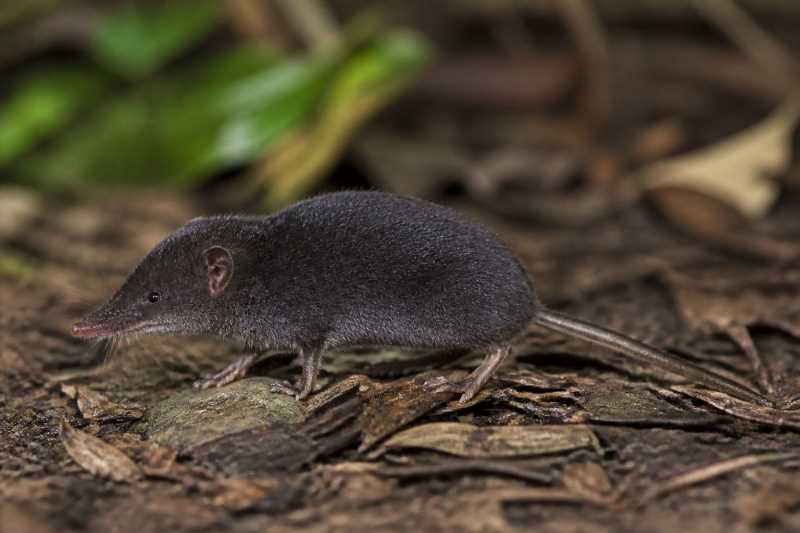
The Annamite White-toothed Shrew is a small mammal characterized by its diminutive size and distinctive features. Typically, this species measures between 5 to 7 centimeters in body length, with a tail that adds an additional 4 to 5 centimeters. The shrew’s weight ranges from 5 to 10 grams, making it one of the smaller members of the genus Crocidura. Its fur is predominantly grayish-brown, providing effective camouflage against the forest floor. The creature’s name derives from its teeth, which lack pigmentation and appear white—unlike many other shrew species whose teeth have reddish tips due to iron deposits.
The Annamite White-toothed Shrew has a pointed snout and small eyes, adaptations that suit its nocturnal and subterranean lifestyle. Its limbs are short but strong, enabling it to dig and forage through leaf litter. The vibrissae, or whiskers, are highly sensitive and help the shrew navigate its environment and detect prey in low-light conditions.
Range and Habitat
The Annamite White-toothed Shrew is endemic to the Annamite Range, a mountain range that extends through Laos, Vietnam, and a small part of Cambodia. This region is known for its rich biodiversity and complex ecosystems. The shrew primarily inhabits subtropical or tropical moist lowland forests and montane forests, where it benefits from the dense undergrowth and abundant food sources.
The shrew’s habitat is characterized by high humidity, dense vegetation, and a thick layer of leaf litter, which provides cover and sustenance. These forests are often part of protected areas, but they are increasingly threatened by human activities such as logging, agriculture, and infrastructure development.
Behavior and Diet
The Annamite White-toothed Shrew is a solitary and nocturnal creature. It spends much of its time foraging for food, which consists mainly of insects, worms, and other small invertebrates. Its diet plays a crucial role in controlling insect populations, thereby maintaining ecological balance within its habitat.
This shrew is highly active and has a fast metabolism, necessitating frequent feeding. It uses its keen sense of smell and touch to locate prey, often rooting through leaf litter or soil. The shrew’s activity peaks during the night when it is less vulnerable to predators. During the day, it rests in burrows or hidden nests constructed from vegetation.
The reproductive behavior of the Annamite White-toothed Shrew is still not well-documented, but it is believed to follow similar patterns to other members of the Crocidura genus. Breeding likely occurs seasonally, with females giving birth to litters of up to six young after a short gestation period.
Identification Tips
Identifying the Annamite White-toothed Shrew in the field can be challenging due to its small size and elusive nature. However, some key characteristics can aid in recognition:
- Size and Shape: Look for a small mammal with a body length of 5 to 7 cm and a proportionally long tail.
- Fur Color: The shrew’s grayish-brown fur helps it blend into its forested environment.
- Teeth: The species’ white teeth are a distinctive feature, best observed in detailed studies rather than casual observation.
- Activity Patterns: Primarily nocturnal, so sightings are more likely during the evening or night.
- Habitat: Found in dense, moist forests within the Annamite Range.
- Behavior: Look for signs of foraging activity in leaf litter or soil, which may indicate the presence of shrews.
Conservation Status
The Annamite White-toothed Shrew is currently listed as "Data Deficient" by the International Union for Conservation of Nature (IUCN). This classification highlights the lack of comprehensive data on its population size and trends, which poses challenges for effective conservation planning.
Threats
The primary threats to the Annamite White-toothed Shrew include habitat destruction and degradation due to logging, agricultural expansion, and human settlement. The construction of roads and other infrastructure also fragments habitats, isolating populations and increasing vulnerability.
Additionally, the shrew may be indirectly affected by pesticide use, which can reduce its food sources and introduce harmful chemicals into its ecosystem.
Protections
Several protected areas within the Annamite Range offer some refuge for the shrew. Conservation efforts aimed at preserving forest habitats and promoting sustainable land use practices are critical for ensuring the species’ survival. Further research is needed to assess population dynamics and develop targeted conservation strategies.
Frequently Asked Questions
What does the Annamite White-toothed Shrew eat?
The Annamite White-toothed Shrew primarily feeds on insects, worms, and other small invertebrates. It forages actively at night, using its keen senses to locate prey within the forest floor’s leaf litter and soil.
Where can the Annamite White-toothed Shrew be found?
This shrew is found in the Annamite Range, spanning parts of Laos, Vietnam, and Cambodia. It inhabits subtropical and tropical moist lowland and montane forests, where it benefits from dense vegetation and ample food sources.
How can you identify the Annamite White-toothed Shrew?
Identifying this shrew involves looking for a small, grayish-brown mammal with a body length of 5 to 7 cm and white teeth. It is most active at night and is found in dense, moist forest environments.
What threats does the Annamite White-toothed Shrew face?
The primary threats to this species include habitat destruction and fragmentation due to logging, agriculture, and infrastructure development. Pesticide use may also impact its food sources and health.
What conservation measures are in place for the Annamite White-toothed Shrew?
Conservation measures include the protection of forest habitats within the Annamite Range and efforts to promote sustainable land use practices. Further research is needed to inform targeted conservation strategies.
Related posts