Paraguayan Akodont (Necromys lenguarum): A Comprehensive Guide
Introduction
The Paraguayan Akodont, scientifically known as Necromys lenguarum, is a small rodent species belonging to the family Cricetidae. These mammals are native to South America and are primarily found in Paraguay, from which their common name is derived. As an integral part of their ecosystem, Paraguayan Akodonts play a vital role in seed dispersion and soil aeration. Despite their ecological significance, this species is not as thoroughly studied as other mammals. This article aims to provide an in-depth look at the Paraguayan Akodont, covering various aspects such as physical description, habitat, behavior, diet, and conservation status.
Physical Description
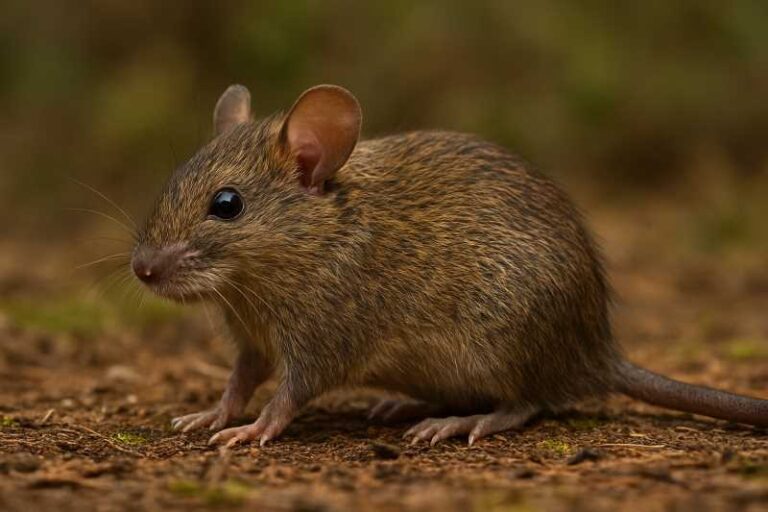
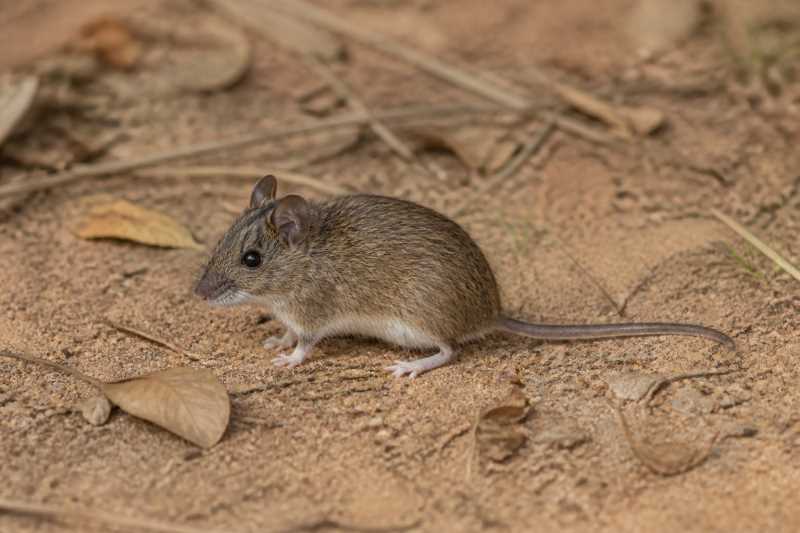
The Paraguayan Akodont is a small rodent, typically measuring between 10 to 15 centimeters in body length, with a tail adding an additional 6 to 10 centimeters. They weigh approximately 30 to 60 grams, making them relatively lightweight. Their fur is dense and coarse, providing insulation against varying temperatures in their habitat. The dorsal side of the Akodont is usually a dark brown or grayish color, blending seamlessly with its environment, while the underbelly is lighter, often a whitish or pale gray hue.
Their ears are small and rounded, partially covered in fur, which helps in detecting predators while maintaining a low profile. The Paraguayan Akodont’s eyes are moderately sized, providing good vision, particularly in low-light conditions. Their limbs are short but strong, equipped with sharp claws that aid in digging and foraging.
Range and Habitat
The Paraguayan Akodont is predominantly found in Paraguay, with its range extending into parts of northern Argentina and southern Brazil. These rodents inhabit a variety of environments, including grasslands, savannas, and forest edges. They are most commonly found in areas with dense ground vegetation, which offers both food and protection from predators.
The species is highly adaptable and can thrive in both natural and semi-natural habitats. They are known to occupy areas near human settlements, where they benefit from the abundance of food resources. However, they are rarely found in heavily urbanized areas.
Behavior and Diet
Paraguayan Akodonts are primarily nocturnal, becoming more active during the cooler hours of the night. They are solitary creatures, spending most of their time alone, except during the breeding season. These rodents are proficient diggers, creating burrow systems that serve as protection against predators and extreme weather conditions.
Their diet is predominantly herbivorous, consisting mainly of seeds, fruits, and green plant material. However, they are opportunistic feeders and may occasionally consume insects and other small invertebrates. Their foraging behavior plays a crucial role in seed dispersion, aiding in plant regeneration and biodiversity in their habitat.
Identification Tips (Field Recognition Cues)
Identifying the Paraguayan Akodont in the field can be challenging due to their small size and nocturnal habits. However, there are several key features and behaviors that can aid in recognition:
- Fur Coloration: Look for the distinctive dark brown or grayish fur on the back with a lighter underbelly.
- Size and Shape: Note the small, compact body and relatively short tail.
- Activity Patterns: Observing nocturnal activity can be a clue, as these rodents are most active at night.
- Habitat: They are often found in dense ground vegetation and are less likely to be seen in open areas.
- Burrow Entrances: Look for signs of burrowing, such as small, round entrances in the ground.
Conservation Status (With Threats and Protections)
Currently, the Paraguayan Akodont is classified as Least Concern by the International Union for Conservation of Nature (IUCN). Despite this, they face several threats that could impact their populations in the future. Habitat loss due to agricultural expansion, deforestation, and urbanization are significant threats. Additionally, the use of pesticides in farming can pose a risk to their health and food sources.
Conservation efforts are crucial to ensuring the survival of the Paraguayan Akodont. Protecting their natural habitats through sustainable land management practices can help mitigate some of the threats they face. Additionally, raising awareness about their ecological role can contribute to broader conservation efforts.
Frequently Asked Questions
1. What does the Paraguayan Akodont eat?
The Paraguayan Akodont primarily consumes seeds, fruits, and green plant material. They are opportunistic feeders and may also eat insects and small invertebrates when available.
2. Where can you find the Paraguayan Akodont?
This species is mainly found in Paraguay, with its range extending into parts of northern Argentina and southern Brazil. They inhabit grasslands, savannas, and forest edges.
3. How does the Paraguayan Akodont contribute to its ecosystem?
Paraguayan Akodonts play a vital role in seed dispersion and soil aeration. Their foraging and burrowing activities help promote plant regeneration and maintain soil health.
4. Are Paraguayan Akodonts endangered?
Currently, the Paraguayan Akodont is classified as Least Concern by the IUCN. However, they face threats from habitat loss and agricultural practices.
5. How can we protect the Paraguayan Akodont?
Protecting their natural habitats through sustainable land management and raising awareness about their ecological role are essential steps in conserving the Paraguayan Akodont.
Related posts