Introduction
The Bornean Spotted-winged Fruit Bat, scientifically known as Balionycteris maculata, is a fascinating species that captivates bat enthusiasts and researchers alike. This small fruit bat, with its unique wing patterns and ecological significance, is an integral part of the biodiversity in Southeast Asia. As a lesser-known species, it plays a crucial role in seed dispersion, aiding in forest regeneration and maintaining ecological balance. In this comprehensive article, we delve into the intricate details of the Bornean Spotted-winged Fruit Bat, exploring its physical characteristics, habitat, behavior, and the challenges it faces in the wild.
Physical Description
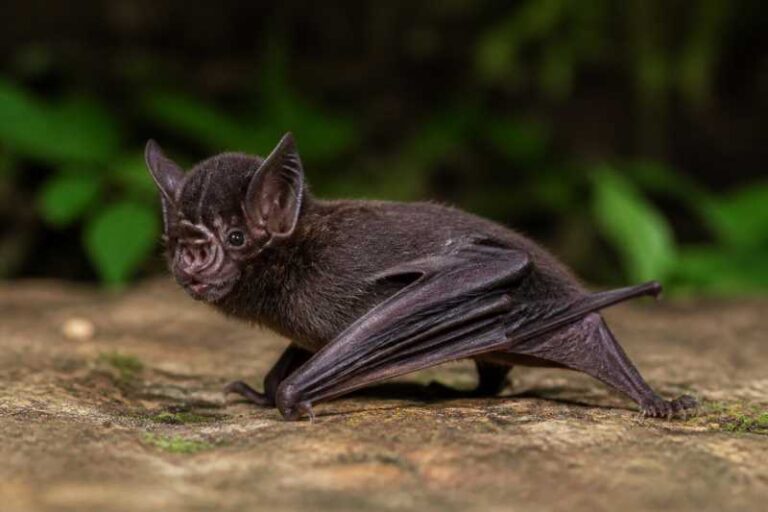
The Bornean Spotted-winged Fruit Bat is a small bat species characterized by its distinctive wing patterns and small stature. Adults typically weigh between 14 to 18 grams and have a wingspan ranging from 25 to 30 centimeters. The bat’s fur is predominantly dark brown, with lighter underparts, and the wings exhibit a unique pattern of spots that are white or pale yellow. These spots are not only a key identification feature but also a factor in its common name. Additionally, this species has large eyes adapted for nocturnal vision, aiding in its navigation through the dense forests of Borneo.
Range and Habitat
The Bornean Spotted-winged Fruit Bat is endemic to Southeast Asia, with its range primarily encompassing the island of Borneo. It inhabits lowland and montane forests, where it finds ample food and roosting sites. These bats are often found in primary and secondary forests, demonstrating a degree of adaptability to different forest conditions. However, they are most commonly observed in areas with dense vegetation, which provide ample cover and food resources. The bats roost in small groups within tree hollows, caves, or foliage, where they rest during the day before embarking on nocturnal foraging activities.
Behavior and Diet
As a frugivorous species, the Bornean Spotted-winged Fruit Bat primarily feeds on fruits, playing a crucial role in seed dispersion. Their diet includes a variety of fruits such as figs, berries, and other tropical fruits available in their habitat. The bats use their keen sense of smell and echolocation to locate ripe fruits during their nocturnal foraging expeditions. Socially, these bats exhibit a gregarious behavior, often roosting in small colonies that facilitate social interactions and mating. Their nocturnal nature and reliance on forests make them elusive and challenging to study, but ongoing research continues to uncover the complexities of their social structures and ecological roles.
Identification Tips (Field Recognition Cues)
Identifying the Bornean Spotted-winged Fruit Bat in the wild requires keen observation of several key features:
- Wing Patterns: Look for the distinctive spotted pattern on the wings, which sets this species apart from other bats in the region.
- Size: Note the small size of these bats, which are smaller compared to many other fruit bat species.
- Fur Coloration: Observe the dark brown fur with lighter underparts, which is typical of this species.
- Behavior: Watch for their nocturnal activity patterns, as they are most active during the night when foraging for food.
Conservation Status (With Threats and Protections)
The Bornean Spotted-winged Fruit Bat is currently listed as Least Concern by the International Union for Conservation of Nature (IUCN). However, like many forest-dependent species, it faces significant threats from habitat destruction and deforestation due to logging, agricultural expansion, and urban development. The loss of forest cover not only reduces available roosting and foraging sites but also fragments populations, making them more vulnerable to other threats.
Conservation efforts are crucial to ensure the survival of this species. Protected areas and forest reserves in Borneo provide some refuge, but continued conservation action, including habitat restoration and anti-deforestation measures, are essential. Public awareness and education about the ecological role of fruit bats can also aid in reducing human-induced threats.
Frequently Asked Questions
- What do Bornean Spotted-winged Fruit Bats eat?
The Bornean Spotted-winged Fruit Bat primarily feeds on fruits, including figs, berries, and other tropical fruits. Their diet makes them important seed dispersers in their ecosystem.
- Where can you find the Bornean Spotted-winged Fruit Bat?
These bats are found on the island of Borneo, inhabiting lowland and montane forests. They prefer areas with dense vegetation that provide ample food and roosting sites.
- Why are Bornean Spotted-winged Fruit Bats important?
They play a crucial ecological role in seed dispersion, aiding in forest regeneration and maintaining biodiversity. Their activities help sustain the health of tropical forests.
- How can Bornean Spotted-winged Fruit Bats be protected?
Protecting their forest habitats through conservation initiatives, legal protection of forests, and public education about their ecological importance are vital for their survival.
- What are the threats to Bornean Spotted-winged Fruit Bats?
The main threats include habitat destruction due to deforestation, logging, and agricultural expansion, which reduce their natural habitats and food resources.
Related posts