Hairy Harvest Mouse (Reithrodontomys hirsutus): An In-depth Exploration
Introduction
The Hairy Harvest Mouse, scientifically known as Reithrodontomys hirsutus, is a captivating member of the rodent family. This small mammal, notable for its distinctive fur and ecological roles, has intrigued biologists and wildlife enthusiasts alike. Despite its modest size, the Hairy Harvest Mouse plays a significant part in its ecosystem. This article seeks to illuminate the key aspects of this species, including its physical characteristics, habitat, behavior, and conservation status.
Physical Description
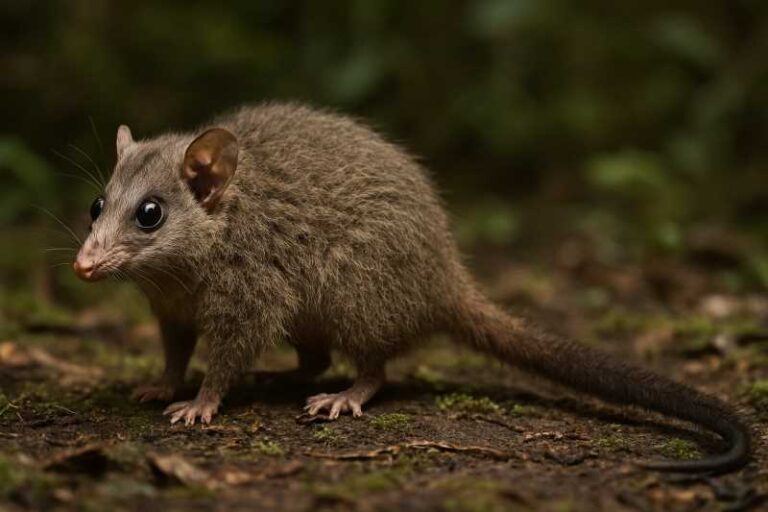
The Hairy Harvest Mouse is a diminutive creature, measuring approximately 12 to 18 centimeters in total length, including its tail, which alone accounts for nearly half of its size. Weighing between 10 to 15 grams, this species is lightweight yet robust in its own way. Its fur is a defining characteristic, with a soft, dense texture that ranges in color from brown to grayish-brown on the dorsal side, providing excellent camouflage amidst its natural habitat.
The ventral side of the Hairy Harvest Mouse is typically lighter, showcasing shades of white or pale gray. Another distinctive feature is its tail, which is semi-prehensile and covered with fine hairs, aiding in balance and maneuverability as it navigates through its environment. The mouse’s large eyes and ears enhance its sensory perception, essential for nocturnal activity.
Range and Habitat
The Hairy Harvest Mouse is primarily found in North and Central America, with a range that extends from the southern United States down to parts of Mexico. It thrives in a variety of habitats, including grasslands, meadows, and areas with dense vegetation, where it can easily hide from predators.
This species exhibits a preference for regions with abundant plant cover, such as tall grasses and shrubs. Its ability to adapt to different environments, from lowland areas to mountainous regions, demonstrates its ecological versatility. However, the fragmentation and alteration of its habitat due to human activities pose significant challenges to its survival.
Behavior and Diet
The Hairy Harvest Mouse is predominantly nocturnal, engaging in most of its activities under the cover of darkness. This behavior helps it avoid predators and take advantage of cooler nighttime temperatures. It is an agile climber, often seen navigating through dense vegetation in search of food.
Dietary habits of the Hairy Harvest Mouse are primarily herbivorous, consisting mostly of seeds, grains, and green vegetation. Occasionally, it may consume small insects, contributing to its role as both a seed disperser and a pest controller in its ecosystem. Seasonal availability of food influences its diet, with a tendency to store food reserves during periods of abundance.
Identification Tips (Field Recognition Cues)
Identifying the Hairy Harvest Mouse in the field involves noting several key characteristics:
- Size and Build: Look for a small, slender rodent with a total length of 12 to 18 centimeters.
- Fur Texture and Color: Observe the soft, dense fur that is brown to grayish-brown dorsally and lighter ventrally.
- Tail Features: The semi-prehensile tail is distinctive, aiding in balance and movement.
- Sensory Features: Large eyes and ears are noticeable, indicative of its nocturnal nature.
- Behavior: Active primarily at night, often seen climbing or moving through vegetation.
Conservation Status (with Threats and Protections)
The conservation status of the Hairy Harvest Mouse is currently classified as "Least Concern" by the International Union for Conservation of Nature (IUCN). However, this does not mean the species is free from threats. Habitat loss due to agricultural expansion, urban development, and deforestation are significant concerns.
Efforts to conserve the Hairy Harvest Mouse involve habitat protection and restoration initiatives. Conservation organizations are working to create protected areas and promote sustainable land-use practices. Public awareness campaigns also play a vital role in educating local communities about the ecological importance of this species.
Frequently Asked Questions
What does the Hairy Harvest Mouse eat?
The Hairy Harvest Mouse primarily feeds on seeds, grains, and green vegetation. It occasionally consumes small insects, which helps maintain ecological balance.
Where can the Hairy Harvest Mouse be found?
This species is found in North and Central America, particularly in grasslands and areas with dense vegetation such as the southern United States and Mexico.
How can I identify a Hairy Harvest Mouse?
Key identification features include its small size, brown to grayish-brown fur, semi-prehensile tail, and large eyes and ears. It is often active at night.
Is the Hairy Harvest Mouse endangered?
Currently, the Hairy Harvest Mouse is listed as "Least Concern" by the IUCN, though it faces threats from habitat loss and environmental changes.
What are the conservation efforts for the Hairy Harvest Mouse?
Conservation efforts focus on habitat protection, sustainable land-use practices, and public education to preserve this species and its environment.
Related posts