Introduction
The Andean Long-clawed Mouse, scientifically recognized as Paynomys macronyx, is a fascinating yet relatively obscure mammal species that inhabits the high-altitude regions of the Andes. This particular species is known for its unique adaptations to mountainous life and serves as a captivating subject for researchers and nature enthusiasts alike. Despite its elusive nature, understanding the Andean Long-clawed Mouse is crucial, as it plays an integral role in the delicate ecosystems of the Andes. This article delves into various aspects of the Andean Long-clawed Mouse, including its physical characteristics, habitat preferences, behavior, and conservation status.
Physical Description
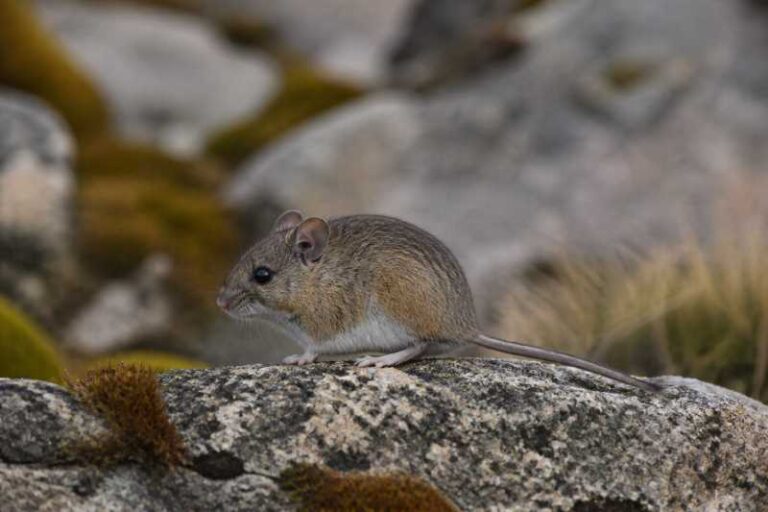
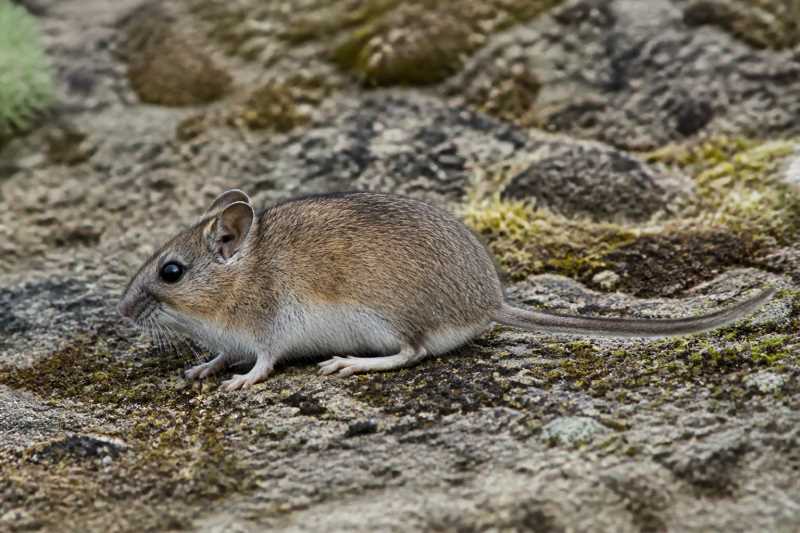
The Andean Long-clawed Mouse is named for its distinctively long claws, which are a notable adaptation for its mountainous habitat. The species exhibits a dense coat of fur, providing essential insulation against the cold climates of its high-altitude environment. Typically, the fur is a mix of gray and brown, offering effective camouflage against the rocky terrains. Adult mice of this species generally measure between 10 to 15 centimeters in length, excluding the tail, which itself can be as long as the body. Their elongated tail is often covered with sparse hair and serves as a balancing aid when navigating rocky outcrops. Another characteristic feature includes their small, rounded ears and sharp, beady eyes, which are well-suited for low-light conditions typical of their high-altitude habitats.
Range and Habitat
The Andean Long-clawed Mouse is predominantly found in the Andes mountain range, spanning several South American countries, including Peru, Chile, and Argentina. It thrives in high-altitude environments, often between 2,000 to 4,500 meters above sea level. These regions are characterized by rocky outcrops, sparse vegetation, and a harsh climate. The species is well-adapted to these conditions, with its physical and behavioral traits allowing it to survive where few other mammals can. Their habitat typically includes scrublands, grasslands, and rocky slopes, where they can find ample cover and food resources. The mouse is also known to inhabit areas near water sources, such as streams or wetlands, which provide hydration and additional foraging opportunities.
Behavior and Diet
The Andean Long-clawed Mouse is primarily nocturnal, engaging in most of its activities during the night. Its behavior is largely influenced by the need to avoid predators, including birds of prey and larger mammals. The long claws of this species are not only beneficial for digging and climbing but also play a crucial role in foraging for food. Its diet mainly consists of seeds, grasses, and small insects, making it an omnivore. The mouse has also been observed to store food in its burrows to help it survive periods when food is scarce. Socially, the Andean Long-clawed Mouse tends to be solitary, coming together only for mating purposes or when food resources are abundant. Communication among individuals is primarily achieved through vocalizations and scent markings, which help establish territories and deter rivals.
Identification Tips (Field Recognition Cues)
Identifying the Andean Long-clawed Mouse in the field requires attention to several distinctive features:
- Long Claws: As the name suggests, the mouse has noticeably long claws, which are visible even from a distance and are used for digging and climbing.
- Fur Coloration: Look for a dense coat of mixed gray and brown fur, which serves as camouflage against the rocky landscape.
- Size and Shape: This species is small, with a body length of 10 to 15 centimeters, and a proportionately long tail that aids in balance.
- Behavioral Patterns: Observing nocturnal activity can be a strong indicator, as they are primarily active at night.
- Habitat: They are usually found at altitudes ranging from 2,000 to 4,500 meters, in areas with rocky terrain and sparse vegetation.
Conservation Status (With Threats and Protections)
The Andean Long-clawed Mouse is currently not listed as endangered, but it faces several threats that could impact its population in the future. Habitat destruction due to mining, agriculture, and urbanization is a significant concern, as these activities encroach upon its natural habitat. Climate change also poses a threat by altering the delicate balance of its high-altitude ecosystem. Despite these challenges, some protective measures are in place. Many regions within the Andes are designated as protected areas or national parks, which help conserve the natural habitats of various species, including the Andean Long-clawed Mouse. Conservation efforts are further supported by ongoing research aimed at better understanding the species and its ecological role.
Frequently Asked Questions
1. What adaptations help the Andean Long-clawed Mouse survive in high-altitude environments? The Andean Long-clawed Mouse is equipped with long claws for digging and climbing, dense fur for insulation, and a diet that allows flexibility based on available resources. These adaptations are crucial for survival in the harsh, high-altitude conditions of the Andes.
2. How does the Andean Long-clawed Mouse contribute to its ecosystem? As an omnivore, the Andean Long-clawed Mouse plays a vital role in seed dispersal and controlling insect populations. Its presence is also an indicator of the health of its high-altitude ecosystem.
3. Are there any conservation programs specifically targeting the Andean Long-clawed Mouse? While there are no specific programs exclusively targeting this species, it benefits from broader conservation initiatives aimed at protecting Andean ecosystems and biodiversity hotspots.
4. What are the primary predators of the Andean Long-clawed Mouse? Primary predators include birds of prey, such as hawks and eagles, as well as larger mammalian carnivores found within their habitat range.
5. Can the Andean Long-clawed Mouse be kept as a pet? Due to its specialized habitat requirements and conservation status, the Andean Long-clawed Mouse is not suitable for domestication and should be left in its natural environment.
Related posts