Short-headed Roundleaf Bat (Hipposideros breviceps): An In-depth Exploration
Introduction
The Short-headed Roundleaf Bat, scientifically known as Hipposideros breviceps, is a fascinating species of bat that captivates both researchers and wildlife enthusiasts alike. Known for its distinctive nose-leaf structure, this bat is a member of the family Hipposideridae, which is prevalent in various regions across Asia. Understanding the ecology, behavior, and conservation needs of this species is crucial for ensuring its survival amidst growing environmental challenges.
Physical Description
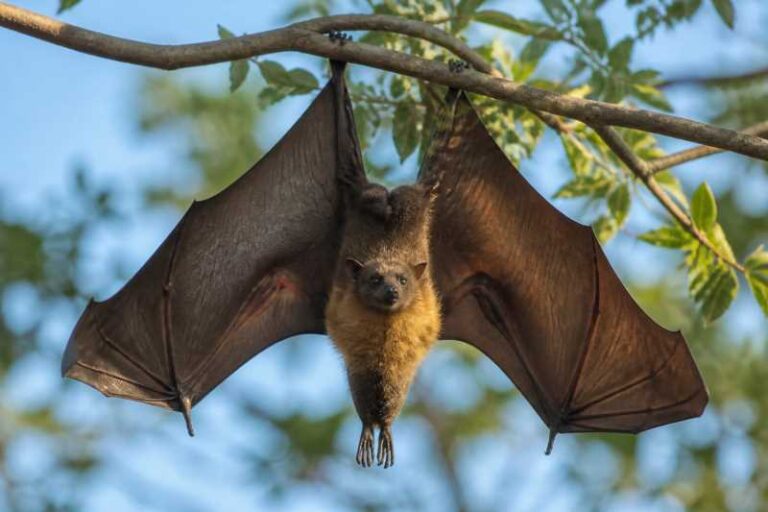
The Short-headed Roundleaf Bat is characterized by its small size, with a body length typically ranging between 45 to 55 millimeters. It stands out due to its unique nose-leaf, which is rounded and aids in echolocation. This bat has a short, broad head with large ears, adapted for its nocturnal lifestyle. The fur is generally a muted brown or gray, providing effective camouflage in its natural habitat. The wings are long and narrow, allowing for agile and swift flight, essential for capturing prey and avoiding predators.
Range and Habitat
Hipposideros breviceps predominantly inhabits regions across Southeast Asia, including parts of India, Sri Lanka, and Indonesia. These bats favor warm, humid environments and are commonly found in tropical and subtropical forests. They are also known to reside in caves and abandoned mines, which offer the perfect microclimate for roosting. The availability of suitable roosting sites is vital for their survival, as these provide protection from predators and harsh weather conditions.
Behavior and Diet
The Short-headed Roundleaf Bat is primarily nocturnal, engaging in most of its activities at night. Echolocation plays a central role in their navigation and foraging behavior. These bats emit high-frequency sounds that bounce off objects, allowing them to detect prey and navigate through complete darkness. Their diet mainly consists of insects, including moths, beetles, and other small arthropods. This insectivorous diet is crucial for maintaining the balance of the ecosystem by controlling insect populations.
Identification Tips
Recognizing the Short-headed Roundleaf Bat in the field requires attention to specific features:
- Nose-leaf Structure: The rounded nose-leaf is distinctive and helps in efficient echolocation.
- Size and Shape: Relatively small body size with a short, broad head.
- Coloration: Look for the typical brown or gray fur which blends with the natural surroundings.
- Flight Patterns: Observe the swift and agile flight, characteristic of this species.
- Ears: Large, prominent ears are noticeable, aiding in their acute sense of hearing.
Conservation Status
The conservation status of the Short-headed Roundleaf Bat is currently assessed as Least Concern by the International Union for Conservation of Nature (IUCN). However, like many bat species, they face threats from habitat destruction, human disturbance, and climate change. Deforestation and the conversion of land for agriculture significantly reduce their natural habitats. Additionally, the disturbance of roosting sites due to tourism and mining activities poses a significant threat. Conservation efforts focus on habitat preservation, legal protection against hunting, and public awareness campaigns to mitigate these threats.
Frequently Asked Questions
What does the Short-headed Roundleaf Bat eat?
The diet of the Short-headed Roundleaf Bat primarily consists of insects such as moths, beetles, and other small arthropods. Their role as insectivores helps control insect populations, benefiting the ecosystem.
How does the Short-headed Roundleaf Bat use echolocation?
Echolocation in the Short-headed Roundleaf Bat involves emitting high-frequency sound waves that bounce off objects and return as echoes. This process allows them to navigate and hunt prey effectively in complete darkness.
Where can I find the Short-headed Roundleaf Bat?
These bats are widespread across Southeast Asia, inhabiting tropical and subtropical forests. They often roost in caves, abandoned mines, and other secluded areas that provide a stable environment.
What are the main threats to the Short-headed Roundleaf Bat?
The primary threats include habitat destruction due to deforestation, human disturbance at roosting sites, and climate change. Conservation efforts are crucial to address these challenges.
How can I help in the conservation of the Short-headed Roundleaf Bat?
Supporting conservation organizations, spreading awareness about the importance of bats, and advocating for the preservation of natural habitats can significantly contribute to their conservation.
Related posts