Introduction
The Mato Grosso Dog-faced Bat (Neoplatymops mattogrossensis) is a fascinating yet relatively obscure mammalian species whose presence is confined to specific regions in South America. This unique bat is known for its distinct appearance and specialized habitat preferences. As a member of the Molossidae family, it shares some familial characteristics but also boasts unique features that set it apart. The exploration of its physical traits, behavior, and ecological significance provides insights into its role in the ecosystem and the challenges it faces for survival.
Physical Description
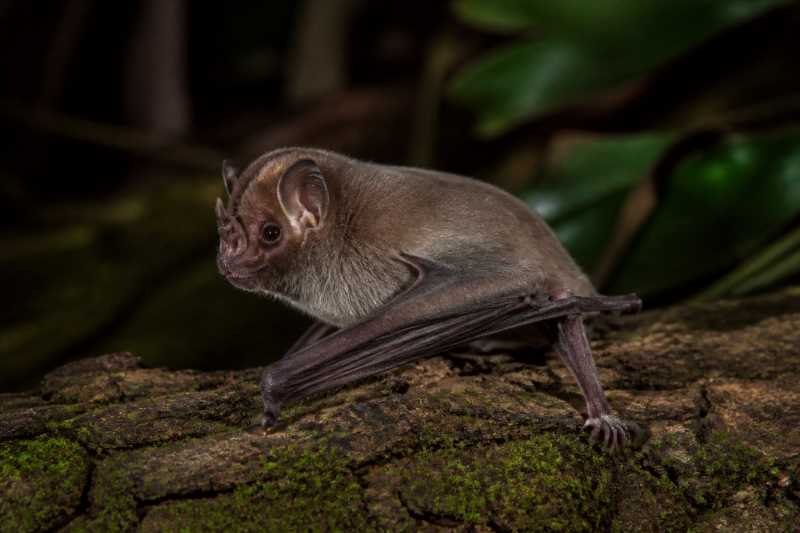
Neoplatymops mattogrossensis, commonly known as the Mato Grosso Dog-faced Bat, exhibits distinct physical characteristics that make it recognizable among chiropterologists and enthusiasts alike. The bat’s body length ranges from 50 to 70 millimeters, with a wingspan extending up to 35 centimeters, providing an impressive aspect ratio suitable for agile flight patterns.
The bat’s fur is typically dark brown to black, offering excellent camouflage against the bark of trees and the cave environments it inhabits. Its most notable feature is the dog-like face, characterized by a short, blunt snout, giving it a unique identity among bats. The ears are relatively large and rounded, aiding in echolocation, which is crucial for navigation and foraging in low-light conditions.
The tail is short, with a membrane extending to the hind legs, enhancing maneuverability during flight. These physical adaptations are not just for aesthetics but contribute significantly to the bat’s survival in its native habitats.
Range and Habitat
The Mato Grosso Dog-faced Bat is primarily found in South America, with its range extending through Brazil, Bolivia, and Peru. The species is named after the Mato Grosso region in Brazil, highlighting its prevalence in this area. It thrives in tropical and subtropical forests, where it roosts in caves, hollow trees, and sometimes man-made structures that mimic natural crevices.
The habitat preference of Neoplatymops mattogrossensis is closely tied to the availability of suitable roosting sites and abundant food sources. These bats are typically found at elevations ranging from 200 to 1,500 meters, where they can exploit the rich biodiversity of insect prey available in such ecosystems.
Behavior and Diet
The Mato Grosso Dog-faced Bat is primarily nocturnal, with peak activity occurring shortly after sunset. This nocturnal behavior is typical of many bat species, aligning with the availability of their primary food sources—flying insects.
The diet of Neoplatymops mattogrossensis consists predominantly of moths, beetles, and other small insects. Its hunting technique relies heavily on echolocation, with the bat emitting high-frequency sound waves that bounce off objects, allowing it to detect and capture prey with remarkable precision.
Socially, these bats are known to roost in colonies, which can range from a few individuals to several dozen. This social structure provides mutual benefits such as increased protection from predators and shared information about food sources.
Identification Tips
Field recognition of the Mato Grosso Dog-faced Bat can be challenging due to its elusive nature, but several cues can aid in identification:
- Facial Features: Look for the distinct dog-like facial structure, with a short, blunt snout.
- Coloration: Note the dark brown to black fur, which aids in camouflage.
- Flight Pattern: Observe the bat’s flight, characterized by rapid, agile movements as it hunts for insects.
- Echolocation Calls: Use a bat detector to identify the specific frequency range of its echolocation calls, which are unique to the species.
- Roosting Sites: Search for roosting colonies in caves or hollow trees, particularly in tropical forest regions.
Conservation Status
The Mato Grosso Dog-faced Bat is currently classified as Near Threatened on the IUCN Red List. The primary threats to its survival include habitat destruction due to deforestation, agricultural expansion, and urbanization. These activities lead to the fragmentation of forest habitats, reducing the availability of suitable roosting and foraging areas.
In response to these threats, conservation efforts are focused on habitat protection and restoration. Protected areas and national parks within its range provide some refuge, but additional measures are necessary to ensure long-term survival. Educating local communities about the ecological role of bats and promoting sustainable land-use practices are vital components of conservation strategies.
Frequently Asked Questions
1. What is the primary diet of the Mato Grosso Dog-faced Bat?
The Mato Grosso Dog-faced Bat primarily feeds on insects, including moths and beetles, utilizing echolocation to hunt during nighttime.
2. Where can the Mato Grosso Dog-faced Bat be found?
This species is found in South America, particularly in Brazil, Bolivia, and Peru, favoring tropical and subtropical forests.
3. How does the Mato Grosso Dog-faced Bat navigate and hunt?
It uses echolocation, emitting high-frequency sound waves that bounce off objects, allowing it to detect and capture prey with precision.
4. Why is the Mato Grosso Dog-faced Bat considered Near Threatened?
The species faces threats from habitat destruction due to deforestation and urbanization, leading to a decline in suitable habitats.
5. What conservation efforts are in place for the Mato Grosso Dog-faced Bat?
Efforts include habitat protection, restoration initiatives, and educating local communities on the ecological importance of bats.
Related posts