Introduction
The Fulvous Harvest Mouse, scientifically known as Reithrodontomys fulvescens, is a small rodent species found primarily in the Americas. As part of the Cricetidae family, this species has captured the interest of biologists and nature enthusiasts for its adaptability and unique characteristics. Although small in stature, the Fulvous Harvest Mouse plays a significant role in its ecosystem, serving as both predator and prey in its natural habitat.
In this article, we explore the various aspects of the Fulvous Harvest Mouse, from its physical characteristics to its behavior, habitat, and conservation status. This comprehensive overview will provide valuable insights for those interested in learning more about this fascinating mammal.
Physical Description
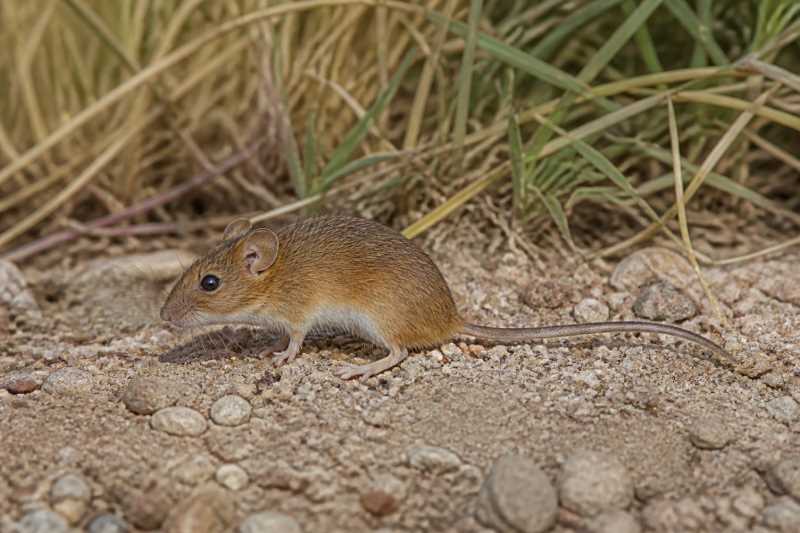
The Fulvous Harvest Mouse is a diminutive creature, typically measuring between 5 to 8 centimeters in body length, with an additional tail length of approximately 5 to 10 centimeters. It weighs between 10 to 15 grams, making it a lightweight contender in the rodent world. This mouse species is characterized by its soft, dense fur, which exhibits a fulvous coloration—a rich, tawny shade that provides excellent camouflage in its natural environment.
The ears of the Fulvous Harvest Mouse are notably large compared to its head, aiding in acute hearing capabilities essential for survival. Its eyes are also relatively large and dark, providing keen night vision as it primarily exhibits nocturnal habits. The mouse’s incisors are sharp and continuously growing, allowing it to gnaw efficiently on a variety of food sources.
Range and Habitat
The Fulvous Harvest Mouse is predominantly found across a wide range of habitats in North and Central America. Its range extends from the southern United States, including states like Texas and Oklahoma, down through Mexico and into parts of Central America.
This adaptable species thrives in various environments, including grasslands, agricultural fields, and even forested regions. It prefers areas with abundant ground cover to conceal itself from predators. The presence of dense vegetation, such as tall grasses and shrubs, provides both food sources and nesting materials for this mouse.
Behavior and Diet
Primarily nocturnal, the Fulvous Harvest Mouse is most active during the night, utilizing its keen senses to forage for food and avoid predators. It is an agile climber and often uses its tail for balance while navigating through dense vegetation.
The diet of the Fulvous Harvest Mouse is omnivorous, consisting of seeds, fruits, insects, and occasionally small invertebrates. This varied diet allows it to adapt to different ecological niches and contributes to its survival in diverse environments.
Reproduction occurs throughout the year, with females capable of producing several litters annually. Each litter typically consists of three to five young, which are born blind and helpless but develop rapidly under the care of their mother.
Identification Tips (Field Recognition Cues)
Identifying the Fulvous Harvest Mouse in the field requires attention to several key characteristics:
- Size and Shape: Look for a small rodent with a body length of about 5 to 8 centimeters and a proportionately long tail.
- Fur Coloration: Note the distinctive fulvous (tawny) fur, which is denser than that of many other small rodents.
- Ear and Eye Size: The mouse has relatively large ears and eyes, which are adaptations for its nocturnal lifestyle.
- Habitat Preference: Observe the environment; this species is likely found in areas with abundant ground cover, such as grasslands and fields.
Conservation Status (With Threats and Protections)
Currently, the Fulvous Harvest Mouse is classified as a species of Least Concern by the International Union for Conservation of Nature (IUCN). This status reflects its widespread distribution and adaptability to various habitats.
However, like many species, it faces threats from habitat destruction due to agricultural expansion and urban development. Pesticide use in agricultural areas can also pose a significant risk to its populations by reducing food availability and causing direct harm.
Conservation efforts for the Fulvous Harvest Mouse include preserving natural habitats and promoting sustainable agricultural practices. Protecting areas of dense vegetation and maintaining ecological corridors are crucial for ensuring the long-term survival of this species.
Frequently Asked Questions
Why is this species unique?
The Fulvous Harvest Mouse is unique due to its adaptability and fulvous coloration, which provides excellent camouflage in its habitat. Its ability to thrive in diverse environments across a broad geographic range sets it apart from many other rodent species.
How does the Fulvous Harvest Mouse contribute to its ecosystem?
As both predator and prey, the Fulvous Harvest Mouse plays a vital role in its ecosystem. It helps control insect populations and serves as an important food source for a variety of predators, including birds and small mammals.
What measures can be taken to protect this species?
Protecting the Fulvous Harvest Mouse involves conserving its natural habitats by promoting sustainable land use practices and reducing pesticide use. Creating ecological corridors can also help maintain genetic diversity and population stability.
What are the primary threats to the Fulvous Harvest Mouse?
The primary threats include habitat destruction due to agricultural and urban development, pesticide use, and climate change, which can alter its habitat and food sources.
How can one identify the Fulvous Harvest Mouse in the wild?
Identifying the Fulvous Harvest Mouse involves looking for its distinct fulvous fur, small size, large ears, and preference for areas with dense ground cover. Observing these characteristics in its natural habitat can help in accurate identification.
Related posts