Introduction
The Nyalam Mountain Vole, scientifically known as Neodon nyalamensis, is a small mammalian species that inhabits the high-altitude regions of the Tibetan Plateau. Known for its adaptability to harsh environments, this vole is a fascinating subject for researchers and wildlife enthusiasts alike. This article delves into various aspects of the Nyalam Mountain Vole, including its physical characteristics, habitat, behavior, and conservation status.
Physical Description
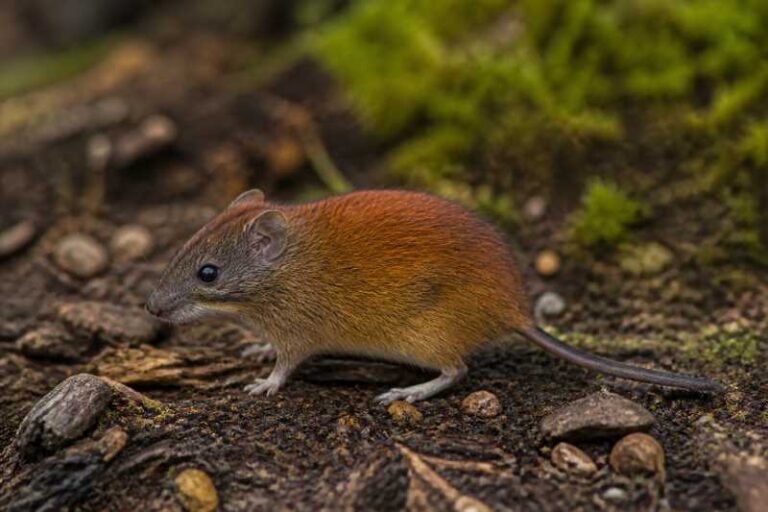
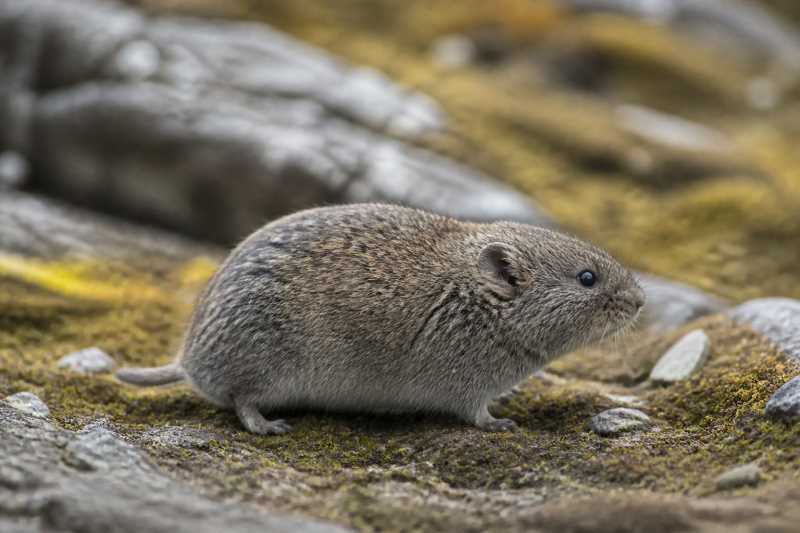
The Nyalam Mountain Vole is a small rodent, typically measuring between 10 to 12 centimeters in body length, with a tail that is relatively short in comparison, usually about 3 to 4 centimeters long. The fur is dense and soft, providing insulation against the cold temperatures of its mountainous habitat. Its coloration ranges from a grayish-brown to a more reddish hue, depending on the specific region and individual age. The underbelly is generally lighter, often white or pale gray. This species has small, rounded ears and a blunt snout, features that help minimize heat loss in frigid environments.
Range and Habitat
The primary habitat of the Nyalam Mountain Vole is the Tibetan Plateau, particularly in the Nyalam County of Tibet, from which it derives its name. This region is characterized by its extreme altitudes, often exceeding 4,000 meters above sea level. The vole can also be found in similar alpine and subalpine environments across parts of Nepal and Bhutan. These areas are typically open grasslands and rocky terrains, where the vole can burrow and find food. The cold climate, sparse vegetation, and limited human presence make it a challenging yet ideal environment for the Nyalam Mountain Vole.
Behavior and Diet
The Nyalam Mountain Vole is primarily a herbivore, feeding on a diet of grasses, roots, and seeds. During the warmer months, it actively forages to accumulate food reserves, which are crucial for surviving the harsh winter months when food is scarce. This vole exhibits burrowing behavior, creating complex underground networks that provide shelter from predators and harsh weather.
Socially, Nyalam Mountain Voles are known to be relatively solitary, though they may be seen in small groups during the breeding season. Communication is facilitated through a series of vocalizations and scent markings, which help in establishing territory and finding mates.
Identification Tips (field recognition cues)
Identifying the Nyalam Mountain Vole in the field can be challenging due to its elusive nature and the inhospitable terrain it inhabits. Here are some tips for field recognition:
- Size and Shape: Look for a small, stout-bodied vole with a short tail.
- Fur Color: Notice the grayish-brown to reddish fur, which provides camouflage against the rocky alpine landscape.
- Behavior: Observe for burrowing activity or small, tunnel-like entrances in grassy or rocky areas.
- Vocalizations: Listen for high-pitched squeaks, especially during the breeding season.
Conservation Status (with threats and protections)
The Nyalam Mountain Vole is currently classified as Least Concern by the International Union for Conservation of Nature (IUCN). However, its survival is not without challenges. Climate change poses a significant threat by altering its high-altitude habitat, potentially reducing the availability of food and suitable living conditions. Additionally, increased human activity, such as tourism and infrastructure development, can lead to habitat degradation.
To protect this species, conservation efforts focus on preserving its natural habitat through sustainable practices and environmental regulations. Protected areas within the Tibetan Plateau and surrounding regions play a crucial role in ensuring the vole’s continued survival.
Frequently Asked Questions
1. What is the primary diet of the Nyalam Mountain Vole?
The Nyalam Mountain Vole mainly feeds on grasses, roots, and seeds, adapting its foraging habits to the seasonal availability of these resources.
2. How does climate change affect the Nyalam Mountain Vole?
Climate change can alter the vole’s habitat, affecting food availability and living conditions, leading to potential population declines.
3. Where can I observe the Nyalam Mountain Vole in the wild?
The best chance to observe the Nyalam Mountain Vole is within the high-altitude regions of the Tibetan Plateau, particularly in Nyalam County.
4. What are the main predators of the Nyalam Mountain Vole?
Predators include birds of prey and small carnivorous mammals that inhabit the same mountainous regions.
5. Are there any conservation programs for the Nyalam Mountain Vole?
Yes, conservation programs focus on habitat protection and sustainable land use practices to ensure the species’ survival.
Related posts