Introduction
The Taiga Vole (Microtus xanthognathus), also known as the Yellow-cheeked Vole, is a fascinating species of small rodent that inhabits the vast boreal forests of North America. As a member of the Cricetidae family, this vole plays a significant role in its ecosystem, serving as both a consumer of vegetation and a prey species for numerous predators. Despite its relatively obscure presence in popular wildlife discussions, the Taiga Vole holds ecological importance, contributing to the biodiversity and functioning of its native habitats.
Physical Description
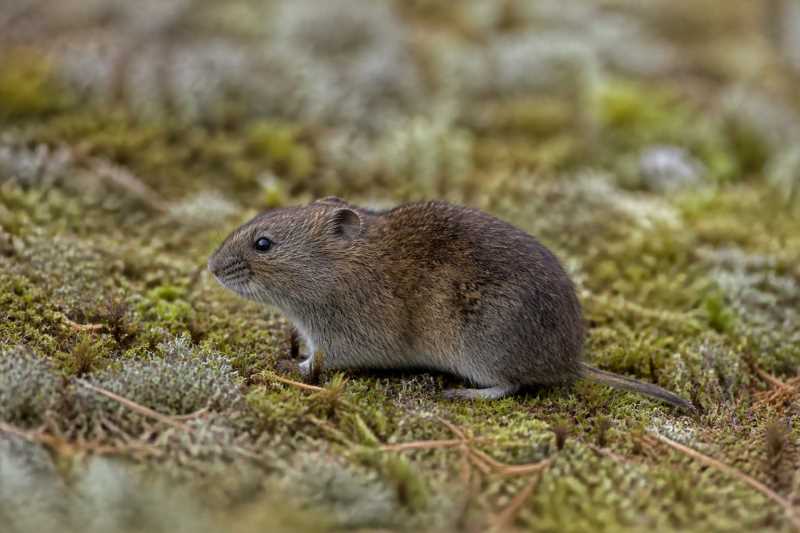
The Taiga Vole is a medium-sized vole characterized by its distinctive yellowish cheek patches, which are the source of its alternative common name. Adult voles typically measure between 17 to 23 centimeters in length, including their short tails, which range from 3 to 5 centimeters. They have thick, soft fur that is predominantly grayish-brown on the dorsal side, with a lighter underbelly. This dense fur provides insulation against the cold climates of their northern habitats. Their eyes and ears are relatively small, adaptations that help reduce heat loss.
Range and Habitat
Microtus xanthognathus is primarily found in the boreal forests, or taiga, of North America, with its range extending from Alaska through Canada and into parts of northern United States. They are particularly associated with coniferous forests, where they inhabit areas with dense undergrowth, fallen logs, and ample leaf litter, which provide both food and protection. These voles are well-adapted to cold environments and are often found near wetlands, streams, and other moist habitats where the vegetation is lush.
Behavior and Diet
Taiga Voles are primarily herbivorous, feeding on a variety of plants, including grasses, sedges, and leaves. During the summer months, they consume a higher volume of green vegetation, while in the winter, they rely more on bark, roots, and seeds. They are known for their food-caching behavior, storing food items to sustain them through the harsh winter months when resources are scarce.
These voles are generally solitary outside of the breeding season, which occurs from spring to late summer. Females can produce multiple litters per year, each consisting of 4 to 8 young. The young are born blind and helpless but develop quickly, becoming independent within a few weeks.
Identification Tips
When attempting to identify the Taiga Vole in the field, look for the following key characteristics:
- Yellow-cheeked Patches: Unique yellowish coloration on the cheeks, which is a distinguishing feature.
- Size and Shape: Medium-sized vole with a robust body and short tail.
- Fur Texture and Color: Grayish-brown fur on the back and lighter underneath; dense and soft.
- Habitat: Typically found in dense, moist forest environments with abundant undergrowth.
- Tracks and Signs: Look for small runways and burrows in the vegetation, as well as feeding signs on plants and bark.
Conservation Status
The conservation status of the Taiga Vole is currently listed as Least Concern by the International Union for Conservation of Nature (IUCN). Despite this classification, the species faces several potential threats, including habitat destruction due to logging, climate change impacts, and increased predation from introduced species.
Conservation efforts for the Taiga Vole primarily focus on habitat preservation and monitoring population trends. Protected areas, such as national parks and reserves, play a crucial role in safeguarding their habitats. Additionally, research into the effects of climate change on boreal ecosystems continues to be vital in developing effective conservation strategies.
Frequently Asked Questions
1. What are the main predators of the Taiga Vole? Taiga Voles are preyed upon by a variety of predators, including birds of prey like owls and hawks, as well as mammalian predators such as foxes, weasels, and lynx. Their role as prey makes them an integral part of the boreal food web.
2. How does climate change affect the Taiga Vole? Climate change poses several risks to the Taiga Vole, primarily through habitat alteration. Changes in temperature and precipitation patterns can affect the availability of food sources and suitable habitat, potentially leading to population declines.
3. What adaptations help the Taiga Vole survive in cold climates? The Taiga Vole has several adaptations for cold climates, including thick, insulating fur, small extremities to minimize heat loss, and food-caching behaviors to ensure a steady food supply during winter months.
4. Are Taiga Voles active year-round? Yes, Taiga Voles are active throughout the year. They do not hibernate but instead remain active beneath the snow, where they continue to forage and utilize stored food.
5. Can Taiga Voles be found outside of boreal forests? While they are primarily associated with boreal forests, Taiga Voles can occasionally be found in adjacent habitats, provided there is sufficient cover and food availability.
Related posts