Introduction
The Urar Brush-tailed Mouse (Calomyscus urartensis) is a fascinating species within the rodent family, known for its unique adaptations and ecological significance. Discovered relatively recently, this species is a subject of interest among researchers and wildlife enthusiasts. Native to specific regions in the Middle East, the Urar Brush-tailed Mouse contributes to the biodiversity of its habitat and plays a role in the ecological dynamics of its environment.
Physical Description
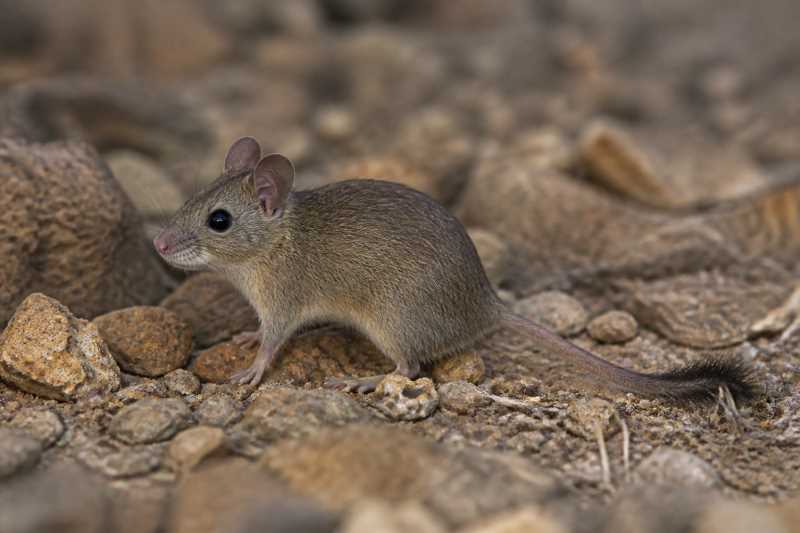
The Urar Brush-tailed Mouse is characterized by its small size and distinctive brush-like tail, which gives the species its name. Adult mice typically measure about 8 to 10 centimeters in body length, with a tail length of approximately 10 to 12 centimeters. The tail is covered with dense, bushy fur, which is a key feature for identification. The fur of the Urar Brush-tailed Mouse is generally a soft gray-brown on the dorsal side, providing camouflage in its rocky habitat, while the ventral side is lighter, often a pale white or cream color.
This species has large, rounded ears and prominent eyes, adaptations that enhance its sensory capabilities, crucial for survival in its nocturnal lifestyle. The limbs of the Urar Brush-tailed Mouse are slender but strong, allowing it to navigate its rugged terrain efficiently.
Range and Habitat
The Urar Brush-tailed Mouse is primarily found in the mountainous regions of northwestern Iran and adjacent areas in Armenia. Its range is quite limited, which makes the species particularly vulnerable to habitat disturbances. It inhabits rocky outcrops and cliff faces, where it can find crevices for shelter and protection from predators.
These environments provide the necessary cover and food resources that the Urar Brush-tailed Mouse depends on. The species is well-adapted to these arid and semi-arid climates, able to survive on minimal water supplies by extracting moisture from its food.
Behavior and Diet
Primarily nocturnal, the Urar Brush-tailed Mouse is active during the night when it forages for food. Its diet mainly consists of seeds, grains, and occasionally insects, which it seeks in the rocky crevices of its habitat. This diet not only sustains the mouse but also aids in seed dispersal, playing a role in the ecological balance of its environment.
In terms of behavior, the Urar Brush-tailed Mouse is solitary, with individuals maintaining specific territories. These territories are marked and defended against intruders, ensuring access to food resources and mating opportunities. Breeding occurs seasonally, with females giving birth to litters of two to four young after a gestation period of about 25 days.
Identification Tips (Field Recognition Cues)
Identifying the Urar Brush-tailed Mouse in the field requires attention to several key features:
- Tail: Look for the distinctive bushy tail, which is longer than the body and crucial for balance and maneuverability.
- Fur Coloration: Note the gray-brown dorsal fur and lighter ventral side, which provide effective camouflage against rocky backgrounds.
- Size and Shape: Observe the small, compact body and rounded ears, which are larger in proportion to the body size compared to other rodents.
- Habitat: Focus on rocky and mountainous areas within its known range; these are likely habitats for spotting the species.
Conservation Status (With Threats and Protections)
The conservation status of the Urar Brush-tailed Mouse is currently listed as "Data Deficient" by the IUCN Red List. This classification highlights the need for more comprehensive studies to determine its population trends and threats accurately. However, given its limited range and specialized habitat, the species is potentially at risk from habitat destruction and fragmentation due to human activities such as mining and agriculture.
Conservation efforts are focused on habitat protection and the establishment of nature reserves that safeguard these crucial environments. Additionally, further research is needed to better understand the species’ ecology and adapt conservation strategies accordingly.
Frequently Asked Questions
Why is this species unique?
The Urar Brush-tailed Mouse is unique due to its distinctive bushy tail, which is rare among rodents. This feature, along with its specialized habitat preferences, makes it a unique component of the biodiversity in its native region.
What threats does the Urar Brush-tailed Mouse face?
The primary threats to the Urar Brush-tailed Mouse include habitat destruction and fragmentation from human activities such as mining and agriculture. These threaten its already limited range and specialized habitats.
How can we help conserve this species?
Conservation efforts for the Urar Brush-tailed Mouse involve habitat protection and research. Supporting initiatives that create nature reserves and further ecological studies can aid in its preservation.
Where can the Urar Brush-tailed Mouse be found?
The Urar Brush-tailed Mouse is found in the mountainous regions of northwestern Iran and adjacent areas in Armenia, primarily inhabiting rocky outcrops and cliff faces.
What role does the Urar Brush-tailed Mouse play in its ecosystem?
As a seed disperser, the Urar Brush-tailed Mouse plays a critical role in its ecosystem by aiding in plant propagation, which contributes to the ecological balance of its habitat.
Related posts