Introduction
The Noble Brush-tailed Mouse, scientifically known as Calomyscus grandis, is a fascinating rodent species belonging to the family Calomyscidae. This small mammal, often overshadowed by more prominent rodents, plays a vital role in the ecosystem. Known for its distinct bushy tail and elusive nature, the Noble Brush-tailed Mouse has intrigued biologists and nature enthusiasts alike. In this comprehensive article, we will delve into the various aspects of this intriguing species, from its physical description to its conservation status.
Physical Description
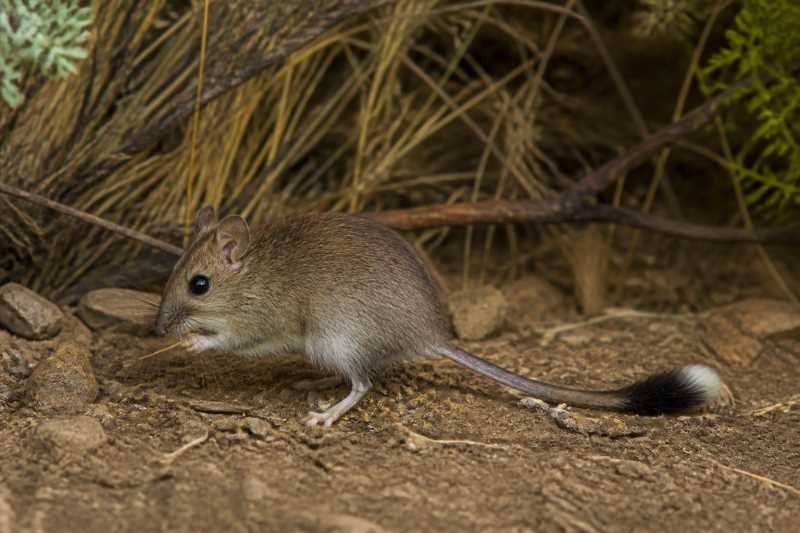
The Noble Brush-tailed Mouse is a small rodent, typically measuring between 7 to 10 centimeters in body length, with an impressively long bushy tail that can extend up to 12 centimeters. This tail is not only a defining characteristic but also serves as a balancing tool, aiding the mouse in agile movements across its rocky habitat. The fur of the Calomyscus grandis is soft and dense, typically exhibiting a grayish-brown color with a lighter underbelly. Its ears are relatively large, providing acute hearing abilities crucial for detecting predators. The small, dark eyes of the mouse are adapted for nocturnal activity, giving it excellent night vision.
Range and Habitat
The Noble Brush-tailed Mouse is primarily found in the mountainous regions of the Middle East, with its range extending across parts of Iran and Turkmenistan. This rodent prefers rocky and arid environments where it can easily navigate and find shelter. These environments are often characterized by sparse vegetation, providing the mouse with ample hiding spots from predators. The ability to thrive in such harsh conditions is a testament to the adaptability and resilience of this species.
Behavior and Diet
Nocturnal by nature, the Noble Brush-tailed Mouse is most active during the night, foraging for food and avoiding the heat of the day. Its diet is omnivorous, consisting mainly of seeds, grains, and insects. This diet not only sustains the mouse but also plays a crucial role in seed dispersal, contributing to the ecological balance of its habitat. Socially, the Calomyscus grandis is relatively solitary, except during the breeding season, when males and females come together to mate.
Identification Tips (Field Recognition Cues)
Identifying the Noble Brush-tailed Mouse in the field can be challenging due to its elusive nature and nocturnal habits. However, certain cues can aid in its recognition:
- Bushy Tail: The most distinctive feature is its long, bushy tail, which is noticeably larger compared to other rodents in its habitat.
- Fur Color: Look for the grayish-brown fur with a lighter underbelly, which helps it blend into its rocky surroundings.
- Large Ears: Its relatively large ears are another distinguishing characteristic, aiding in keen hearing.
- Night Activity: Since the species is nocturnal, spotting them during the day is rare; look for signs of activity at dusk or dawn.
Conservation Status (with Threats and Protections)
Currently, the Noble Brush-tailed Mouse is not listed as endangered, but it faces several threats that could impact its population in the future. Habitat destruction due to human expansion and agricultural development poses a significant risk. Moreover, climate change could alter its arid habitat, impacting food availability and shelter.
Conservation efforts are crucial to protect this species. Preserving its natural habitat by establishing protected areas and promoting sustainable land-use practices are essential steps. Additionally, further research into the ecology and behavior of Calomyscus grandis can provide valuable insights for conservation strategies.
Frequently Asked Questions
What does the Noble Brush-tailed Mouse eat?
The Noble Brush-tailed Mouse is omnivorous, primarily feeding on seeds, grains, and insects. Its diet helps in seed dispersal, which is beneficial for its habitat.
Where can the Noble Brush-tailed Mouse be found?
This species is predominantly found in the mountainous regions of Iran and Turkmenistan, thriving in rocky and arid environments.
How can I identify a Noble Brush-tailed Mouse in the wild?
Look for its distinct bushy tail, grayish-brown fur with a lighter underbelly, and large ears. It’s most active during the night.
Is the Noble Brush-tailed Mouse endangered?
Currently, it is not endangered, but it faces threats from habitat destruction and climate change, necessitating conservation efforts.
Why is the Noble Brush-tailed Mouse important to the ecosystem?
It plays a crucial role in seed dispersal and maintaining the ecological balance of its habitat through its diet and foraging behavior.
Related posts