Introduction
The Akroa Rice Rat, scientifically known as Cerradomys akroai, is a fascinating mammal species belonging to the family Cricetidae. As a member of the genus Cerradomys, this species is endemic to specific regions in South America, contributing to the rich biodiversity of the continent’s ecosystems. The Akroa Rice Rat has garnered interest among mammalogists and conservationists due to its unique adaptations and the ecological roles it plays in its native habitats. This article delves into various aspects of the Akroa Rice Rat, including its physical characteristics, habitat preferences, behavior, diet, and conservation status.
Physical Description
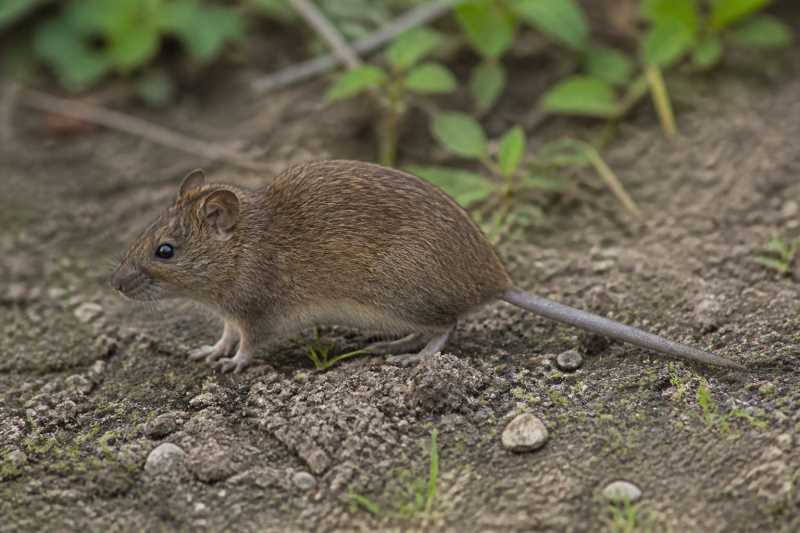
The Akroa Rice Rat is a medium-sized rodent characterized by its distinct fur coloring and body structure. Typically, adult Akroa Rice Rats weigh between 50 and 100 grams and measure approximately 15 to 20 centimeters in length, excluding the tail. Their tails are relatively long, often equal to or slightly longer than the body length, aiding in balance and agility.
The fur of the Akroa Rice Rat exhibits a blend of gray and brown hues, providing effective camouflage against the backdrop of its natural surroundings. The dorsal fur is generally darker, transitioning to lighter shades on the sides and an off-white or pale gray on the ventral surface. This coloration not only aids in blending into their environment but also helps regulate body temperature.
Distinctive features of the Akroa Rice Rat include its large, rounded ears and a pointed snout, both of which enhance its sensory capabilities. The eyes are relatively small, adapted to its crepuscular and nocturnal lifestyle. Its limbs are robust, with the hind legs slightly longer than the forelimbs, allowing for efficient movement through its habitat.
Range and Habitat
The Akroa Rice Rat is primarily found in the Cerrado biome of Brazil, a vast tropical savanna characterized by its diverse flora and fauna. This biome covers an extensive area in central Brazil, including parts of the states of Goiás, Mato Grosso, and Minas Gerais. The Cerrado is known for its seasonal climate, with distinct wet and dry periods, which influences the availability of resources and the behavior of its inhabitants.
The preferred habitat of the Akroa Rice Rat includes grasslands, shrublands, and areas with scattered trees. These environments offer ample ground cover and foraging opportunities, essential for avoiding predators and finding food. The species is also known to inhabit agricultural lands, particularly rice fields, where they can find abundant food resources. However, this also brings them into conflict with human activities, as they are often considered pests in cultivated areas.
Behavior and Diet
Akroa Rice Rats are primarily nocturnal, exhibiting heightened activity during the night when they forage for food and interact with their environment. Being solitary creatures, they typically maintain individual territories, marked by scent to deter intruders. However, during the breeding season, males and females may temporarily share space for mating purposes.
Their diet is omnivorous, consisting of a variety of plant and animal matter. They primarily feed on seeds, fruits, and grains, which they find in abundance in their natural and agricultural habitats. Insects and small invertebrates also form an essential part of their diet, providing necessary proteins and nutrients. This dietary flexibility allows the Akroa Rice Rat to adapt to changes in resource availability across seasons.
Identification Tips (Field Recognition Cues)
Identifying the Akroa Rice Rat in the field involves observing several key physical and behavioral traits:
- Fur Coloration: Look for the characteristic gray-brown fur with lighter ventral surfaces.
- Tail Length: Note the long tail, often matching or exceeding the body length, which aids in identification.
- Ear and Snout Shape: Large, rounded ears and a pointed snout are distinct features.
- Activity Patterns: Being nocturnal, sightings are more likely during dawn or dusk.
- Habitat Preference: Presence in grasslands, shrublands, and agricultural fields can be a good indicator.
Conservation Status (with Threats and Protections)
The Akroa Rice Rat is currently classified as a species of Least Concern by the IUCN Red List. However, this status does not imply a lack of threats. The primary challenges facing the species include habitat loss and fragmentation due to agricultural expansion and deforestation. As natural habitats are converted into farmland, the available space for the Akroa Rice Rat to thrive diminishes, leading to population declines in certain areas.
Additionally, the use of pesticides and rodenticides in agriculture poses a significant threat, as these chemicals can directly harm the rats or reduce their food sources. Climate change also affects the Cerrado biome, altering the patterns of rainfall and resource availability, which can impact the survival of native species.
Conservation efforts for the Akroa Rice Rat involve habitat preservation and sustainable agricultural practices. Protecting key areas of the Cerrado and promoting environmentally friendly farming techniques can help mitigate some of the pressures on this species. Educating local communities about the ecological importance of the Akroa Rice Rat and its role in the ecosystem is also crucial for its protection.
Frequently Asked Questions
What is the natural habitat of the Akroa Rice Rat?
The Akroa Rice Rat is primarily found in the Cerrado biome of Brazil, thriving in grasslands, shrublands, and areas with scattered trees. They are also known to inhabit rice fields and other agricultural lands.
How does the Akroa Rice Rat adapt to its environment?
The Akroa Rice Rat adapts to its environment through its omnivorous diet, which allows it to exploit a variety of food sources. Its fur coloration provides camouflage, and its nocturnal behavior helps it avoid daytime predators.
What threats do Akroa Rice Rats face?
The main threats to the Akroa Rice Rat include habitat loss due to agricultural expansion, the use of pesticides, and climate change, which affects the patterns of resource availability in their native habitats.
Are there conservation efforts in place for the Akroa Rice Rat?
Yes, conservation efforts focus on habitat preservation and promoting sustainable agricultural practices in the Cerrado region. Protecting areas of natural habitat and educating local communities are also part of these efforts.
Related posts