Introduction
The Llano Pocket Gopher (Geomys texensis) is a fascinating mammal species native to the United States. This small, burrowing rodent is part of the Geomyidae family, known for its distinctive cheek pouches and adept digging abilities. The species plays a crucial role in the ecosystem by aerating soil and influencing plant composition. Despite their ecological importance, these gophers often remain elusive and understudied due to their subterranean lifestyle.
Llano Pocket Gophers are named after the Llano Uplift region in central Texas, where they are predominantly found. The species was first described in 1895 by naturalist Clinton Hart Merriam, contributing to the rich biodiversity of the American Southwest. Understanding the Llano Pocket Gopher’s biology and ecology is essential for conservation efforts and maintaining the balance of their native habitats.
Physical Description
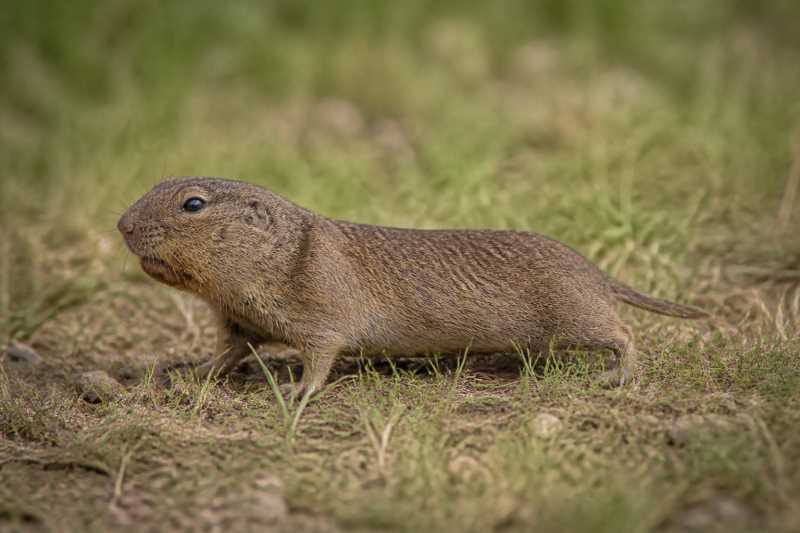
The Llano Pocket Gopher is a medium-sized rodent, typically measuring between 6 to 9 inches in length, including their short tail. They weigh approximately 6 to 10 ounces, with males generally larger than females. Their robust, cylindrical body is well-adapted for a life spent mostly underground.
One of the notable features of this gopher is its fur, which varies in color from light brown to grayish, providing effective camouflage against the soil. Their large, clawed forelimbs are powerful digging tools, while their small eyes and ears are adaptations for their burrowing lifestyle.
The most distinctive characteristic of the Llano Pocket Gopher is its external cheek pouches, or ‘pockets,’ which are fur-lined and can be turned inside out. These pockets are used to transport food and nesting material, a unique feature among rodents.
Range and Habitat
The Llano Pocket Gopher is endemic to Texas, primarily found in the Llano Uplift and surrounding areas. This region is characterized by its granite outcrops, sandy soils, and mixed grassland and scrub habitat. The gophers thrive in areas with loose, sandy soil that is easy to dig through, such as pastures, fields, and open woodlands.
Their range is limited to specific soil types, which influences their distribution and population density. The presence of these gophers is often indicated by the mounds of soil they push to the surface while burrowing.
Behavior and Diet
Llano Pocket Gophers are solitary animals, coming together only for mating. They are primarily fossorial, spending most of their lives in extensive tunnel systems that can span hundreds of feet. These tunnels serve as protection from predators and harsh weather while providing a network for foraging.
Their diet consists mainly of plant material, including roots, tubers, and grasses. They are known to feed on a variety of vegetation, depending on availability. By consuming the roots of plants, they play a role in controlling plant populations and influencing the composition of their habitat.
Identification Tips (Field Recognition Cues)
Identifying Llano Pocket Gophers in the wild can be challenging due to their subterranean habits. However, there are several cues that can aid in their identification:
- Mounds of Soil: Look for crescent-shaped mounds of soil on the surface, which indicate active burrowing.
- Burrow Openings: These are typically plugged with soil and can be found in areas with sandy or loamy soil.
- Chewed Vegetation: Evidence of recent feeding includes chewed plant stems and roots near burrow entrances.
- Tracks and Trails: Although rare, you might spot faint tracks or trails leading to burrow openings.
Conservation Status (With Threats and Protections)
The Llano Pocket Gopher is currently listed as a species of least concern on the IUCN Red List. However, localized threats such as habitat destruction, urbanization, and agricultural expansion pose significant challenges. These activities can lead to habitat fragmentation and population declines.
Conservation efforts are focused on habitat preservation and ensuring sustainable land-use practices. Protecting the native grasslands and maintaining the integrity of their habitat are critical for the conservation of this species.
Frequently Asked Questions
1. What is the lifespan of a Llano Pocket Gopher?
Llano Pocket Gophers typically live for 1 to 3 years in the wild. Their lifespan can be influenced by factors such as predation, habitat quality, and food availability.
2. How do Llano Pocket Gophers contribute to their ecosystem?
They play a vital role in soil aeration, nutrient cycling, and plant community dynamics by burrowing and consuming plant material. Their activities help maintain healthy ecosystems.
3. Are Llano Pocket Gophers endangered?
Currently, they are not considered endangered. However, habitat loss and other anthropogenic pressures could threaten their populations in the future.
4. How can I help conserve Llano Pocket Gophers?
Supporting conservation organizations, promoting sustainable land management practices, and raising awareness about their ecological importance are ways to contribute to their conservation.
5. Can Llano Pocket Gophers be kept as pets?
Due to their specific habitat needs and fossorial nature, they are not suitable as pets. It is essential to appreciate them in their natural environment and support conservation efforts.
Related posts