Introduction
The Southern Colombian Small-eared Shrew, scientifically known as Cryptotis andinus, is a fascinating mammal species that resides primarily in the diverse ecological landscapes of Colombia. Part of the family Soricidae, these tiny creatures, though not as well-known as other mammals, play a crucial role in their ecosystems. This article delves into the physical characteristics, habitat preferences, behaviors, and conservation status of the Southern Colombian Small-eared Shrew, providing readers with a comprehensive understanding of this unique species.
Physical Description
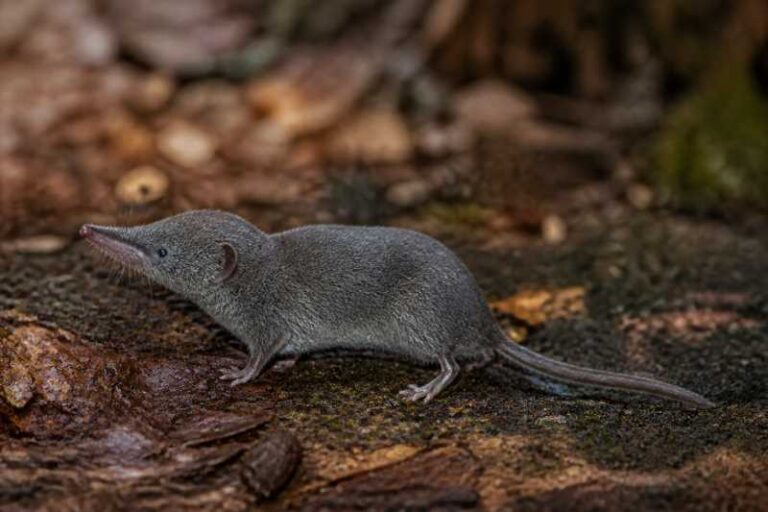
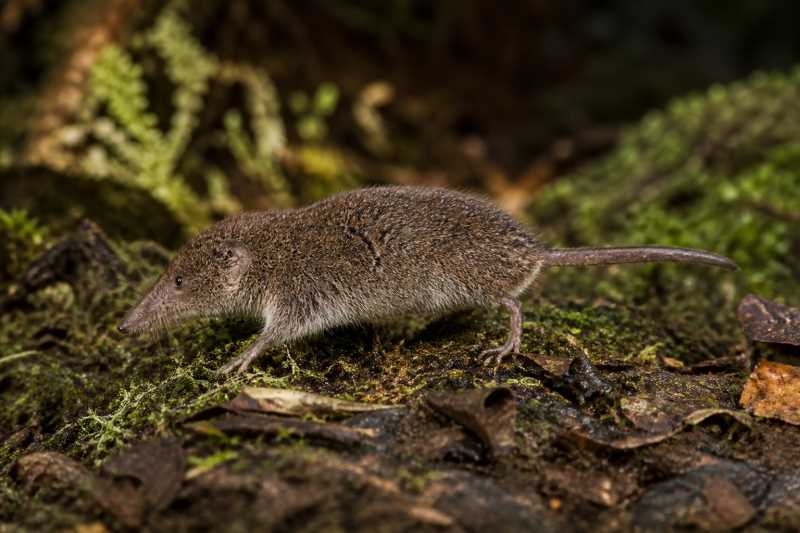
The Southern Colombian Small-eared Shrew is aptly named for its diminutive ear size, which is one of its most distinguishing features. Typically, this species has a body length ranging from 7 to 10 centimeters, with a tail that is relatively short in comparison, often measuring around 2 to 4 centimeters.
Their fur is dense and velvety, usually exhibiting shades of dark brown or gray, which provides excellent camouflage against the forest floor. The shrew’s snout is elongated, aiding in its foraging activities, while its small, rounded ears are often not visible beneath its fur. Weighing in at a mere 5 to 15 grams, these shrews are lightweight and agile, allowing them to navigate their underbrush habitats with ease.
Range and Habitat
Cryptotis andinus is endemic to the mountainous regions of southern Colombia, particularly thriving in the Andean forests. These areas are characterized by high humidity and dense vegetation, providing the perfect cover and abundant food sources for the shrews.
Their range extends over several Colombian departments, where they are often found in cloud forests, high-altitude grasslands, and sometimes even in disturbed habitats such as agricultural lands, as long as there is sufficient ground cover and food availability. The elevation range for this species typically spans from 1,500 to 3,500 meters above sea level.
Behavior and Diet
The Southern Colombian Small-eared Shrew is primarily nocturnal, spending the night hours foraging for food. Their diet mainly consists of insects, worms, and small invertebrates, making them an important part of the ecosystem by controlling insect populations.
These shrews are solitary animals, with each individual maintaining a territory that it defends from others. They use a combination of vocalizations and scent markings to communicate and establish boundaries. Their high metabolic rate requires them to consume food frequently, sometimes up to their body weight in a single day, which drives their constant foraging behavior.
Identification Tips (Field Recognition Cues)
Recognizing the Southern Colombian Small-eared Shrew in the wild can be challenging due to its elusive nature and small size. However, there are several identification cues that can aid field researchers and enthusiasts:
- Ear Size: As the name suggests, their ears are notably small and often hidden beneath the fur.
- Fur Texture and Color: Look for a velvety fur texture with dark brown or gray coloration.
- Snout Shape: The elongated snout is a distinctive feature useful for identification.
- Activity Patterns: Observing nocturnal activity can be a clue, as they are primarily active at night.
Conservation Status (With Threats and Protections)
Currently, the Southern Colombian Small-eared Shrew is classified as "Data Deficient" by the IUCN Red List due to the lack of comprehensive studies on its population size and trends. However, habitat loss due to deforestation and agricultural expansion poses significant threats to its survival.
Conservation efforts for this species are limited but crucial, focusing mainly on habitat preservation and environmental education to mitigate the impacts of human activities. Protected areas within Colombia offer some refuge, but increased research and conservation initiatives are necessary to ensure the species’ long-term survival.
Frequently Asked Questions
Why is this species unique?
The Southern Colombian Small-eared Shrew is unique due to its restricted range, endemic to the Andean regions of Colombia. Its adaptation to high-altitude environments and its role in controlling insect populations make it an integral part of its ecosystem.
What are the main threats to its survival?
The primary threats include habitat destruction from deforestation and agricultural development, which reduce the available habitat and food sources. Climate change also poses a long-term threat by altering the ecosystems they depend on.
How can I help protect the Southern Colombian Small-eared Shrew?
Supporting conservation organizations that focus on habitat preservation in Colombia can make a difference. Additionally, raising awareness about the species and its ecological importance can help garner support for conservation efforts.
Are there any efforts to study this species further?
Yes, although limited, there are ongoing research projects aimed at understanding the population dynamics, habitat requirements, and ecological roles of the Southern Colombian Small-eared Shrew, which are essential steps toward effective conservation planning.
Related posts