Introduction
Merriam’s Chipmunk, scientifically known as Neotamias merriami, is a fascinating small mammal native to parts of the western United States. This charming rodent is a member of the Sciuridae family, which includes other chipmunks, squirrels, and groundhogs. Known for its distinctive markings and energetic behavior, Merriam’s Chipmunk is a subject of interest for wildlife enthusiasts, ecologists, and casual observers alike. In this article, we explore the various facets of Merriam’s Chipmunk, from its physical characteristics to its habitat and conservation status.
Physical Description
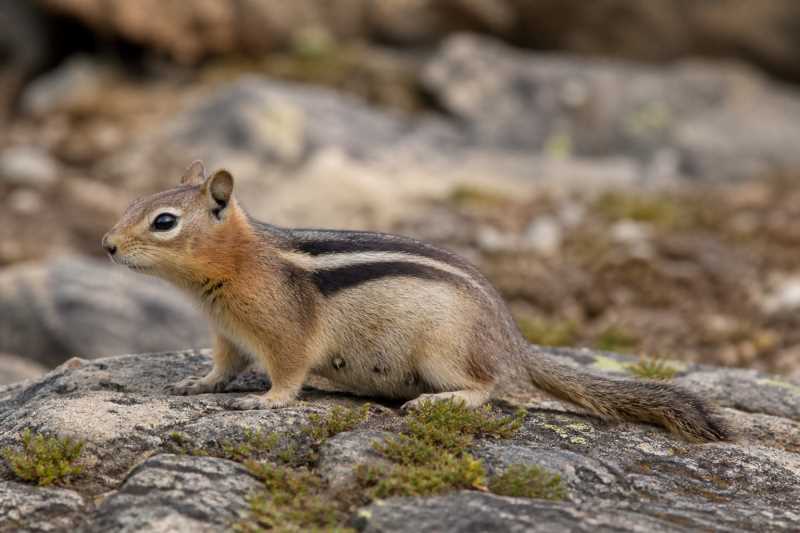
Merriam’s Chipmunk is typically characterized by its small size and distinctive patterning. Adult chipmunks measure approximately 8 to 11 inches in length, including the tail, which contributes about 3 to 5 inches. They weigh between 1.5 to 2.5 ounces, making them lightweight and agile creatures.
The most striking feature of Merriam’s Chipmunk is its fur, which is a mixture of grayish-brown and black. They have a series of dark and light stripes running down their backs, from the head to the tail, which are typical of most chipmunk species. These stripes serve as camouflage, helping them blend into their wooded environments to avoid predators. Their underparts are usually lighter, ranging from white to pale gray.
Their cheeks are equipped with pouches, which they use efficiently to transport food. The eyes are large and dark, providing excellent vision to detect predators and navigate their environment. The ears are small and rounded, adding to their overall endearing appearance.
Range and Habitat
Merriam’s Chipmunk is primarily found in the western United States, particularly in California. Its range extends into parts of Nevada and Baja California in Mexico. These chipmunks are highly adaptable and can be found in a variety of habitats, including woodlands, chaparral, and mixed coniferous forests.
They prefer areas with dense undergrowth, which provides ample cover and food resources. Merriam’s Chipmunks are also known to inhabit areas with rocky outcrops and fallen logs, which offer ideal conditions for nesting and foraging. They are typically found at elevations ranging from sea level to about 9,000 feet, showcasing their adaptability to different environmental conditions.
Behavior and Diet
Merriam’s Chipmunks are diurnal, meaning they are active during the day, with peak activity in the morning and late afternoon. They are solitary creatures, except during the breeding season or when raising young. These chipmunks are known for their agility and speed, which they use to forage for food and evade predators.
Their diet is omnivorous, consisting mainly of seeds, nuts, fruits, and insects. They play a crucial role in their ecosystem by aiding in seed dispersal, which helps maintain forest health. Merriam’s Chipmunks have cheek pouches that allow them to transport food to their burrows, where they store it for later consumption.
During the winter months, these chipmunks enter a state of torpor, reducing their metabolic rate to conserve energy. Unlike true hibernators, Merriam’s Chipmunks periodically wake up to eat from their stored food supplies.
Identification Tips (Field Recognition Cues)
Identifying Merriam’s Chipmunk in the field can be a rewarding experience. Here are some recognition cues to help you:
- Striped Pattern: Look for the characteristic dark and light stripes running down the back.
- Size: Note the small size, with a total length of 8 to 11 inches.
- Habitat: Observe the environment; Merriam’s Chipmunks favor wooded areas with dense undergrowth.
- Activity: Spot them during the day, especially in the morning and late afternoon.
- Sounds: Listen for their distinctive vocalizations, which include a series of sharp, chirping calls.
Conservation Status (with threats and protections)
Merriam’s Chipmunk is currently classified as a species of Least Concern by the International Union for Conservation of Nature (IUCN). This classification indicates that, at present, they are not at immediate risk of extinction. However, like many wildlife species, they face threats that could impact their populations in the future.
Threats
- Habitat Loss: Urban development and deforestation are significant threats, leading to habitat fragmentation.
- Climate Change: Changes in climate patterns can alter their habitat and food availability.
- Predation: Natural predators include birds of prey, snakes, and larger mammals.
Protections
Efforts to conserve Merriam’s Chipmunk involve habitat protection and management. Preserving forested areas and promoting sustainable land use practices are essential for their long-term survival. Additionally, public awareness and education can help mitigate human-induced threats.
Frequently Asked Questions
1. What do Merriam’s Chipmunks eat during the winter?
Merriam’s Chipmunks rely on stored food during the winter months. They gather seeds, nuts, and other food items in their cheek pouches and store them in their burrows to consume when food is scarce.
2. How does Merriam’s Chipmunk differ from other chipmunk species?
Merriam’s Chipmunk can be distinguished by its specific range in California and parts of Nevada and Mexico, as well as its unique stripe pattern and habitat preferences.
3. Are Merriam’s Chipmunks social animals?
No, Merriam’s Chipmunks are generally solitary except during the breeding season or when caring for their young. They maintain individual territories and can be quite territorial.
4. How can I help in conserving Merriam’s Chipmunks?
Supporting conservation efforts, such as protecting forest habitats and promoting sustainable land use, can aid in the preservation of Merriam’s Chipmunks. Public education and awareness are also crucial.
5. Do Merriam’s Chipmunks hibernate?
No, Merriam’s Chipmunks do not hibernate. Instead, they enter a state of torpor, reducing their metabolic rate but occasionally waking to eat stored food.
Related posts