Introduction
The Woodland Oldfield Mouse (Thomasomys hylophilus) is a fascinating yet relatively under-researched rodent species belonging to the Cricetidae family. This elusive mammal inhabits the dense woodlands and mountainous regions of South America, specifically in the Andes. With its unique adaptations and important ecological role, the Woodland Oldfield Mouse is a vital component of its natural habitat. Understanding its characteristics, behavior, and conservation status is crucial for preserving this species and maintaining the ecological balance within its environment.
Physical Description
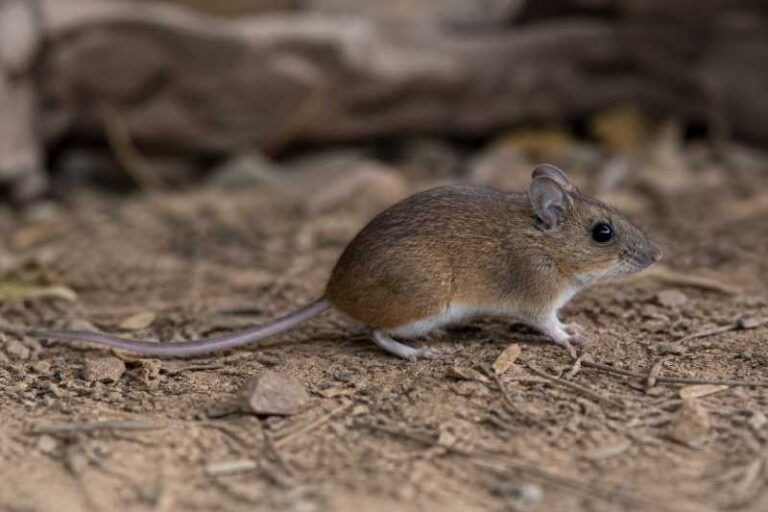
The Woodland Oldfield Mouse is a small-sized rodent, typically measuring between 10 to 15 centimeters in body length, with an additional tail length of 8 to 12 centimeters. It exhibits a relatively lightweight build, weighing approximately 30 to 60 grams. The fur of Thomasomys hylophilus is dense and soft, predominantly featuring a greyish-brown coloration on its dorsal side, which provides excellent camouflage within its forest habitat. The ventral side is generally lighter, with shades varying from cream to white.
One of the distinguishing features of the Woodland Oldfield Mouse is its large, dark eyes adapted for nocturnal activity. Its ears are moderately sized, rounded, and covered with fine hairs that provide additional sensitivity to its auditory environment. The long, agile tail is covered with fine scales and sparse hair, aiding in balance and maneuverability through the underbrush.
Range and Habitat
The Woodland Oldfield Mouse is primarily found in the Andean regions of Colombia, Ecuador, and Peru. Its range extends across various altitudinal gradients, typically from 1,500 to 3,500 meters above sea level. This species prefers humid, montane forests characterized by dense understory vegetation, which offers ample cover and foraging opportunities.
The habitat of Thomasomys hylophilus is generally associated with cloud forests, characterized by high humidity, frequent mist, and lush plant diversity. These forests are crucial for the mouse’s survival, providing not only food resources but also nesting sites and protection from predators.
Behavior and Diet
As a primarily nocturnal creature, the Woodland Oldfield Mouse is most active during the night, utilizing its keen senses to navigate the dense forest environment. It is a solitary animal, with individuals maintaining overlapping home ranges that vary in size depending on food availability and environmental conditions.
The diet of Thomasomys hylophilus is omnivorous, consisting mainly of fruits, seeds, and small invertebrates. The mouse plays an essential ecological role as a seed disperser, aiding in the regeneration of its forest habitat. It often forages on the forest floor, using its acute sense of smell to locate food.
Identification Tips (Field Recognition Cues)
Identifying the Woodland Oldfield Mouse in the field can be challenging due to its elusive nature and preference for dense forest habitats. However, several key characteristics can aid in its identification:
- Fur Coloration: Look for the greyish-brown dorsal fur with a lighter, cream-colored ventral side.
- Tail Length: Its tail is relatively long, usually matching or exceeding the length of its body, aiding in balance and recognition from other rodent species.
- Eye Size: The large, dark eyes are adapted for nocturnal activity and are a notable feature.
- Habitat: Observing the environment can also provide clues, as this species is primarily found in humid montane forests.
Conservation Status (with Threats and Protections)
The conservation status of the Woodland Oldfield Mouse is currently listed as Least Concern by the International Union for Conservation of Nature (IUCN). Nevertheless, its habitat is increasingly threatened by human activities such as deforestation, agricultural expansion, and urbanization, which result in habitat fragmentation and loss.
Conservation efforts are essential to mitigate these threats. Protecting areas of cloud forest through the establishment of national parks and reserves helps safeguard the habitat of Thomasomys hylophilus. Additionally, reforestation projects and sustainable land-use practices can contribute to the preservation of this species and its ecological niche.
Frequently Asked Questions
What adaptations allow the Woodland Oldfield Mouse to thrive in its habitat?
The Woodland Oldfield Mouse has several adaptations that enable it to thrive in the dense, humid forests of the Andes. Its fur coloration provides excellent camouflage, while its large eyes and sensitive ears enhance its nocturnal foraging abilities. The long tail aids in balance, allowing it to navigate the understory effectively.
How does the Woodland Oldfield Mouse contribute to its ecosystem?
As a seed disperser, Thomasomys hylophilus plays a crucial role in maintaining the diversity and health of its forest environment. By consuming and dispersing seeds, it helps in the regeneration of plant species, contributing to forest dynamics and ecological stability.
What are the main threats to the Woodland Oldfield Mouse?
The primary threats to the Woodland Oldfield Mouse include habitat loss due to deforestation, agricultural development, and urban expansion. These activities lead to habitat fragmentation and degradation, reducing the available resources and living space for the species.
Are there any conservation measures in place to protect the Woodland Oldfield Mouse?
Yes, conservation measures include the establishment of protected areas and national parks that encompass the mouse’s habitat. Additionally, initiatives like reforestation and sustainable agriculture practices aim to mitigate habitat loss and promote biodiversity conservation.
Can the Woodland Oldfield Mouse be found outside of the Andes?
The Woodland Oldfield Mouse is endemic to the Andean regions of Colombia, Ecuador, and Peru. It is not found naturally outside these areas, as it is specifically adapted to the montane forest ecosystems of the Andes.
Related posts