Introduction
Vorontsov’s Ground Squirrel, scientifically known as Spermophilus vorontsovi, is a fascinating and lesser-known species within the rich tapestry of the rodent family. This ground-dwelling mammal is recognized for its adaptability and unique behaviors, making it a subject of interest for researchers and wildlife enthusiasts alike. As an integral component of its ecosystem, Vorontsov’s Ground Squirrel plays a crucial role in soil aeration and seed dispersion. Understanding this species is essential for its conservation and the protection of its natural habitat.
Physical Description
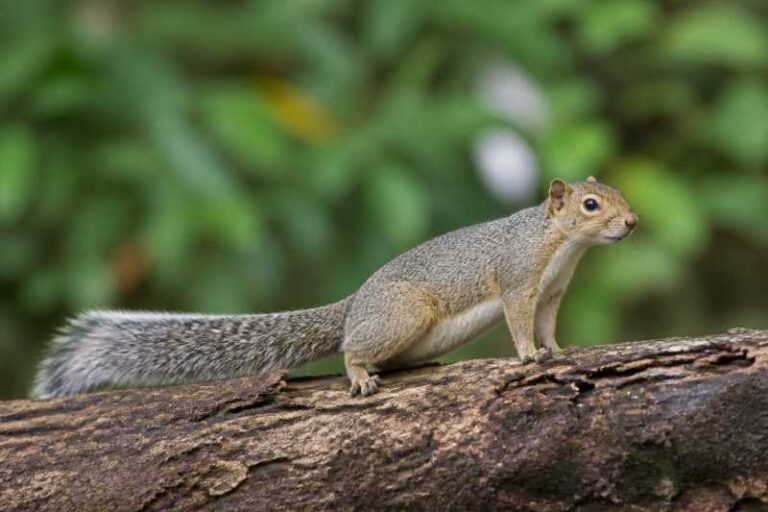
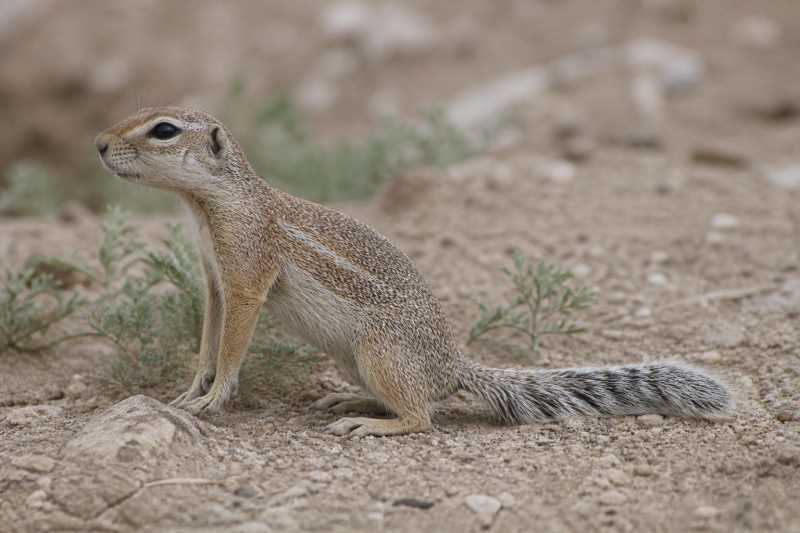
Vorontsov’s Ground Squirrel exhibits the characteristic physical traits associated with ground squirrels. It possesses a robust, cylindrical body measuring approximately 20 to 30 centimeters in length, excluding its bushy tail, which adds an additional 10 to 15 centimeters. The weight of this species typically ranges from 200 to 400 grams, varying with age, sex, and seasonal conditions.
The fur of Vorontsov’s Ground Squirrel is predominantly a blend of gray and brown, providing effective camouflage against the earthy tones of its surroundings. The underbelly is lighter, often a pale cream or off-white, which helps in temperature regulation. Its eyes are large and expressive, surrounded by a subtle ring of lighter fur that enhances its visual acuity, essential for spotting predators.
Distinctive features include short, strong limbs equipped with sharp claws, ideal for digging burrows and foraging. The ears are small and rounded, sitting close to the head to minimize heat loss and reduce exposure to the elements.
Range and Habitat
Vorontsov’s Ground Squirrel is predominantly found in the temperate regions of Central Asia, with a range extending across specific parts of Kazakhstan, Uzbekistan, and Turkmenistan. Within these regions, it favors open landscapes such as steppes, grasslands, and sparsely wooded areas.
The species thrives in environments where the soil is loose and well-drained, allowing for easy excavation of complex burrowing systems. These burrows serve as refuges from predators, harsh weather, and are crucial for raising offspring. The ground squirrel’s ability to adapt to various altitudes and climates within its range is a testament to its resilience and evolutionary success.
Behavior and Diet
Vorontsov’s Ground Squirrel is primarily diurnal, exhibiting a high level of activity during the early morning and late afternoon to avoid the midday heat. It is a social creature, often seen in colonies that communicate through a series of vocalizations and body signals, which are essential for maintaining group cohesion and alerting others to potential threats.
The diet of Vorontsov’s Ground Squirrel is diverse, primarily consisting of seeds, grains, fruits, and occasionally insects. This omnivorous diet is instrumental in sustaining its energy levels and supporting its active lifestyle. The species also engages in food hoarding behavior, storing excess food in its burrows to ensure a reliable food supply during lean periods.
Identification Tips
Recognizing Vorontsov’s Ground Squirrel in the field involves looking for several key features:
- Coloration: Look for the gray-brown fur with a lighter underbelly.
- Size and Shape: Note the compact, robust body and bushy tail.
- Habitat: Focus on open steppes and grasslands where the species is likely to be found.
- Behavior: Observe for diurnal activity and social interactions within colonies.
- Vocalizations: Listen for the characteristic chirps and whistles, which are unique to this squirrel.
Conservation Status
The conservation status of Vorontsov’s Ground Squirrel is currently classified as Least Concern by the IUCN. However, this does not imply that the species faces no threats. Habitat loss due to agricultural expansion, urbanization, and climate change poses significant risks to its populations.
Protection efforts are crucial, focusing on habitat preservation and the establishment of protected areas. Public awareness campaigns and research initiatives are also vital to ensure that Vorontsov’s Ground Squirrel does not move towards a more threatened status in the future.
Frequently Asked Questions
1. What is the natural habitat of Vorontsov’s Ground Squirrel?
Vorontsov’s Ground Squirrel naturally inhabits the steppes and grasslands of Central Asia, where it constructs extensive burrow systems in loose, well-drained soil.
2. How can I identify Vorontsov’s Ground Squirrel in the wild?
Identification involves looking for a gray-brown rodent with a bushy tail in open landscapes. Listen for its distinct vocalizations and observe its social behavior within colonies.
3. What threats does Vorontsov’s Ground Squirrel face?
The primary threats include habitat loss due to agricultural expansion, urban development, and climate change, which impact its natural environment and food sources.
4. What role does Vorontsov’s Ground Squirrel play in its ecosystem?
This ground squirrel plays a vital role in soil aeration and seed dispersion, contributing to the overall health of its ecosystem by promoting plant growth and maintaining soil quality.
5. Are there any conservation efforts to protect Vorontsov’s Ground Squirrel?
Yes, conservation efforts focus on habitat preservation, creating protected areas, and conducting research to better understand the species’ ecological needs and threats.
Related posts