Introduction
The Thick-tailed African Dormouse (Graphiurus crassicaudatus) is a fascinating small mammal species endemic to certain regions of Africa. Known for its distinctive thick tail, this dormouse is an intriguing subject for both wildlife enthusiasts and researchers. Despite its small size, the thick-tailed dormouse plays a significant role in the ecosystems it inhabits, contributing to the biodiversity and ecological balance of its habitat. This article explores various aspects of the Thick-tailed African Dormouse, including its physical characteristics, habitat, behavior, and conservation status.
Physical Description
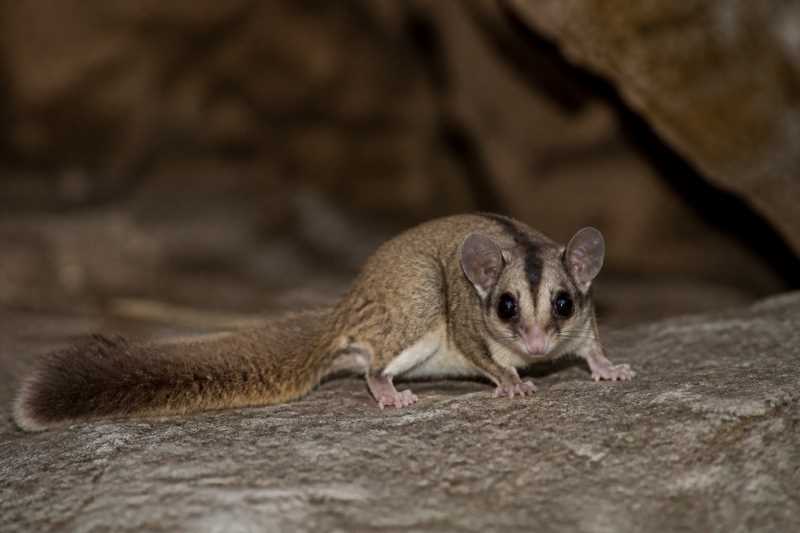
The Thick-tailed African Dormouse is a diminutive yet robust rodent, typically measuring between 10 to 15 centimeters in body length, with an additional tail length of approximately 7 to 12 centimeters. As its name suggests, the dormouse features a notably thick tail, which is often bushy and serves multiple functions, including balance and communication.
The dormouse has a compact body with a soft, dense coat that ranges in color from gray to brown, providing excellent camouflage against predators. Its ventral side is usually lighter, often white or cream-colored. The dormouse’s large, dark eyes and rounded ears are adapted for nocturnal activity, allowing it to navigate and forage efficiently in low-light conditions.
Range and Habitat
Graphiurus crassicaudatus is primarily found in sub-Saharan Africa, with its range extending through countries like Angola, Zambia, and the Democratic Republic of the Congo. The species is typically associated with forested areas, including both primary and secondary forests, where it resides in trees and dense vegetation.
The dormouse is highly adaptable and can also be found in savanna regions, where it occupies areas with sufficient tree cover. Its arboreal lifestyle is supported by its adept climbing skills, allowing it to traverse the forest canopy with ease. The availability of food sources and nesting sites largely determines the dormouse’s presence in a particular area.
Behavior and Diet
The Thick-tailed African Dormouse is predominantly nocturnal, engaging in most of its foraging and social activities during the night. It is an omnivorous species, feeding on a varied diet that includes fruits, seeds, insects, and occasionally small vertebrates. This dietary flexibility allows the dormouse to thrive in different environments by exploiting available food resources.
The dormouse is known for its social behavior, often forming small groups or colonies. Communication among individuals is facilitated by vocalizations and scent markings. During the day, the dormouse rests in nests constructed from leaves and other plant materials, typically located in tree holes or dense foliage.
Identification Tips (field recognition cues)
Identifying the Thick-tailed African Dormouse in the field can be challenging due to its nocturnal habits and elusive nature. However, there are several key features to look for:
- Tail: The thick, bushy tail is a prominent feature, distinguishing it from other small mammals in its habitat.
- Size and Shape: Its small size and compact body, along with large eyes and ears, are indicative of its species.
- Coloration: Look for the distinctive gray to brown fur with a lighter underside.
- Behavior: Observing nocturnal activity in forested areas can hint at its presence.
Conservation Status (with threats and protections)
Currently, the Thick-tailed African Dormouse is classified as Least Concern by the International Union for Conservation of Nature (IUCN). However, like many wildlife species, it faces threats from habitat destruction, primarily due to deforestation and agricultural expansion in its native regions.
Conservation efforts aimed at preserving forest habitats are crucial for the survival of this species. Protected areas and national parks provide essential refuges for the dormouse, but ongoing monitoring and habitat restoration are necessary to ensure its continued survival. Public education and awareness campaigns can also play a role in mitigating human-induced threats to its habitat.
Frequently Asked Questions
What is the primary diet of the Thick-tailed African Dormouse?
The Thick-tailed African Dormouse is an omnivore, primarily feeding on fruits, seeds, and insects. It may also consume small vertebrates when available, showcasing its dietary adaptability.
Where can the Thick-tailed African Dormouse be found?
This species is found in sub-Saharan Africa, particularly in countries like Angola, Zambia, and the Democratic Republic of the Congo. It inhabits forested regions and areas with sufficient tree cover.
How does the Thick-tailed African Dormouse communicate?
The dormouse communicates through vocalizations and scent markings. It is also known for its social behavior, often forming small groups to enhance survival and social interaction.
What threats does the Thick-tailed African Dormouse face?
The primary threats to this species include habitat destruction due to deforestation and agricultural activities. Conservation efforts focus on habitat preservation and restoration to mitigate these threats.
How can the Thick-tailed African Dormouse be identified in the wild?
Identifying this dormouse involves looking for its thick, bushy tail, small size, and distinctive coloration. Observing nocturnal behavior in forested areas can also aid identification.
Related posts