Introduction
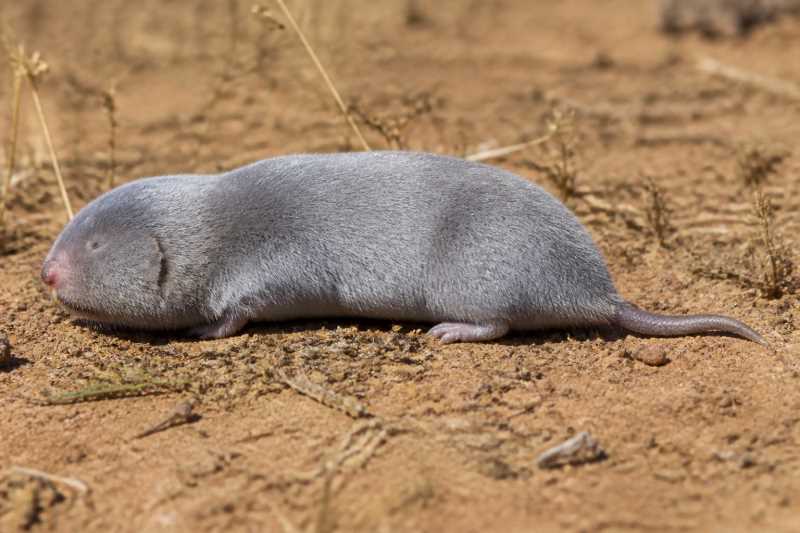
The Southern Silvery Mole-rat (Heliophobius argenteocinereus) represents a fascinating component of subterranean biodiversity in Africa. Known for its elusive nature and specialized lifestyle, this mole-rat species is a remarkable example of evolutionary adaptation to life underground. As an integral part of the ecosystem, the Southern Silvery Mole-rat plays a vital role in soil aeration and nutrient cycling, which benefits the broader ecological community.
Physical Description
The Southern Silvery Mole-rat is a medium-sized rodent characterized by a robust and cylindrical body. Its fur is soft, dense, and predominantly silver-grey, which aids in minimizing friction as it navigates through soil. The species is adapted to a fossorial lifestyle, featuring reduced eyes covered by skin, indicating a reliance on other senses over vision. Its limbs are short but powerful, equipped with large, clawed forepaws designed for efficient digging. The average size of an adult ranges from 15 to 20 cm in length, with a weight varying between 100 to 200 grams.
Range and Habitat
This species is primarily found in southern regions of Africa, including parts of Tanzania, Malawi, Mozambique, and Zambia. Southern Silvery Mole-rats inhabit a variety of soil types but prefer loose, sandy loams that facilitate easy burrowing. Their habitats are typically grasslands, savannahs, and occasionally agricultural fields. These environments offer the loose soil structure necessary for their subterranean lifestyle and access to a diet rich in underground tubers and roots.
Behavior and Diet
Southern Silvery Mole-rats are solitary creatures known for their extensive burrowing systems. Their tunnels can reach significant lengths, providing protection from predators and extreme weather conditions. The species is primarily nocturnal, engaging in foraging activities during the night to avoid predators. Their diet consists mainly of roots, tubers, and bulbs, which they locate using their acute sense of smell. Mole-rats consume a high-fiber diet, which is crucial for their digestive systems, and they have adapted to extract moisture from their food to minimize water needs.
Identification Tips
Recognizing the Southern Silvery Mole-rat in the field requires attention to specific cues. Look for signs of fresh soil mounds or runways, as these indicate recent burrowing activity. The presence of silver-grey fur caught on vegetation near burrow entrances can also be a hint. Although direct sightings are rare due to their secretive nature, spotting these signs can confirm their presence.
Conservation Status
Currently, the Southern Silvery Mole-rat is classified as Least Concern by the IUCN. However, habitat destruction due to agriculture and urbanization poses significant threats. These activities often result in habitat fragmentation and soil compaction, which hinder their burrowing capabilities. Conservation efforts focus on habitat preservation and promoting sustainable land-use practices to protect this species and its environment.
Frequently Asked Questions
What adaptations allow the Southern Silvery Mole-rat to live underground? The Southern Silvery Mole-rat has several adaptations for subterranean life, including reduced eyesight, powerful forepaws for digging, and a cylindrical body for efficient tunneling.
How does the Southern Silvery Mole-rat find food? They use their acute sense of smell to locate underground roots, tubers, and bulbs, which constitute the majority of their diet.
What is the conservation status of the Southern Silvery Mole-rat? They are currently listed as Least Concern, but habitat destruction and fragmentation pose ongoing threats.
Why are Southern Silvery Mole-rats important to the ecosystem? They play a crucial role in soil aeration and nutrient cycling, which benefits plant growth and the broader ecosystem.
Where can Southern Silvery Mole-rats be found? They are native to southern Africa, including Tanzania, Malawi, Mozambique, and Zambia, primarily in grasslands and savannas.
Related posts