Southern Mountain Cavy (Microcavia australis): A Comprehensive Guide
Introduction
The Southern Mountain Cavy, scientifically known as Microcavia australis, is a small mammal species that belongs to the family Caviidae. This intriguing rodent is native to South America, where it thrives in various habitats. Known for its adaptability and unique behaviors, the Southern Mountain Cavy plays a vital role in its ecosystem. This article explores the physical attributes, distribution, behavior, and conservation status of this fascinating species, providing valuable insights for researchers, wildlife enthusiasts, and conservationists.
Physical Description
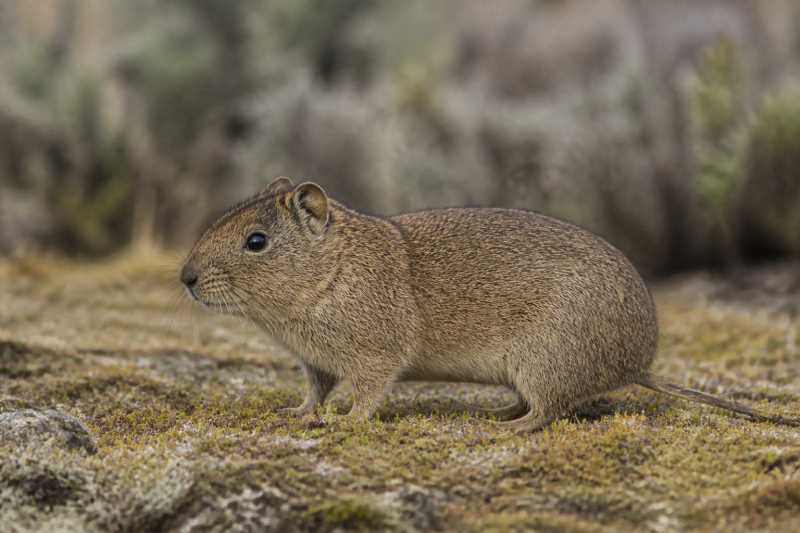
The Southern Mountain Cavy is a small rodent characterized by its robust body, short limbs, and distinct features. Typically, adults weigh between 200 to 400 grams and measure approximately 20 to 25 centimeters in length. Their fur is dense and soft, predominantly grayish-brown, which provides camouflage against the rocky terrain of their natural habitat.
One of the distinguishing features of the Southern Mountain Cavy is its head, which is relatively large compared to its body. It has small, rounded ears and dark, beady eyes that are well-adapted for spotting predators. The cavy’s hind limbs are slightly longer than the forelimbs, facilitating swift movements across rugged landscapes. The short tail is almost inconspicuous, often hidden beneath the fur.
Range and Habitat
The Southern Mountain Cavy is indigenous to South America, with its range extending across countries such as Argentina, Chile, and Bolivia. These rodents primarily inhabit regions characterized by arid and semi-arid conditions, including rocky outcrops, shrublands, and grasslands. They are highly adaptable and can be found at altitudes ranging from sea level to over 4,000 meters in the Andes Mountains.
The cavy’s habitat selection is influenced by the availability of food resources and shelter. They are commonly found in areas with abundant vegetation cover, which provides both nourishment and protection from predators. Rock crevices and burrows serve as ideal shelters, offering safety and a place to rear their young.
Behavior and Diet
Southern Mountain Cavies are social animals, often seen in small groups or family units. They exhibit a variety of vocalizations and body language to communicate, including whistles, purrs, and chattering sounds. These vocal cues play an essential role in maintaining group cohesion and alerting members to potential threats.
The diet of the Southern Mountain Cavy is herbivorous, consisting mainly of grasses, leaves, and seeds. They are opportunistic feeders and may also consume fruits and flowers when available. Due to the arid environments they inhabit, these cavies have adapted to extract maximum moisture from their food, reducing their dependence on water sources.
Identification Tips
Identifying the Southern Mountain Cavy in the field requires attention to specific physical and behavioral cues. Key identification tips include:
- Size and Shape: Look for a small, robust rodent with a length of 20 to 25 centimeters and a weight of 200 to 400 grams.
- Fur Color: Note the grayish-brown fur, which provides effective camouflage in rocky environments.
- Ears and Eyes: Observe the small, rounded ears and dark, beady eyes, characteristic of this species.
- Social Behavior: Watch for groups or family units, as these cavies are social animals.
- Vocalizations: Listen for distinctive vocal cues, such as whistles and purrs, used for communication.
Conservation Status
The conservation status of the Southern Mountain Cavy is currently classified as Least Concern by the International Union for Conservation of Nature (IUCN). However, like many wildlife species, they face threats from habitat loss and degradation due to human activities such as agriculture, mining, and urbanization.
Efforts to protect the Southern Mountain Cavy include habitat preservation and legal protections in certain regions. Conservation initiatives aim to raise awareness about the importance of preserving natural habitats and safeguarding the biodiversity of these ecosystems.
Frequently Asked Questions
1. What is the habitat of the Southern Mountain Cavy?
The Southern Mountain Cavy inhabits arid and semi-arid regions in South America, including rocky outcrops, shrublands, and grasslands. They are adaptable and can be found at altitudes from sea level to over 4,000 meters.
2. How does the Southern Mountain Cavy communicate?
Southern Mountain Cavies communicate through various vocalizations such as whistles, purrs, and chattering sounds. These vocal cues are essential for maintaining social bonds and alerting group members to threats.
3. What does the Southern Mountain Cavy eat?
The diet of the Southern Mountain Cavy consists mainly of grasses, leaves, and seeds. They are herbivorous and may also consume fruits and flowers when available, extracting moisture from their food to survive in arid environments.
4. Are Southern Mountain Cavies endangered?
Currently, the Southern Mountain Cavy is classified as Least Concern by the IUCN. However, they face threats from habitat loss and degradation due to human activities. Conservation efforts focus on habitat preservation and raising awareness.
5. How can I identify a Southern Mountain Cavy in the wild?
To identify a Southern Mountain Cavy, look for a small rodent with grayish-brown fur, a robust body, small rounded ears, and dark eyes. Observe their social behavior and listen for distinctive vocalizations.
Related posts