Introduction
The Montane Shrew Tenrec, scientifically known as Microgale monticola, is a fascinating small mammal belonging to the family Tenrecidae. Endemic to the island of Madagascar, this unique creature has adapted to live in the high-altitude regions of the island’s mountainous areas. Despite its small size, the Montane Shrew Tenrec plays a significant role in its ecosystem. This article delves into the various aspects of the Montane Shrew Tenrec, including its physical characteristics, habitat, behavior, diet, and conservation status.
Physical Description
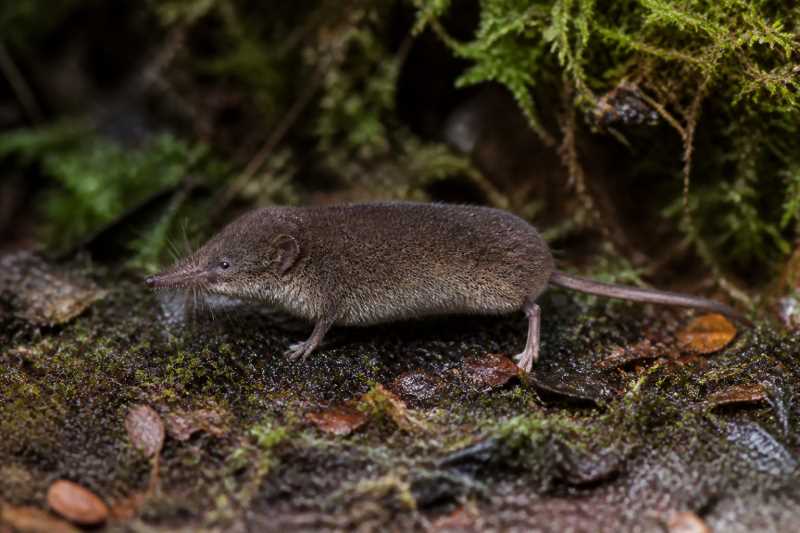
The Montane Shrew Tenrec is a diminutive species characterized by its shrew-like appearance. Typically, these creatures measure between 6 to 9 centimeters in body length, with a tail that may add another 5 to 7 centimeters. They have a soft, dense coat of fur that provides insulation against the cooler temperatures of their montane habitats. The fur is typically brown or grayish, allowing them to blend seamlessly into their surroundings. A distinctive feature of this species is their elongated snout, which is highly adapted for probing into leaf litter and soil as they forage for food. Their limbs are short, yet strong, with sharp claws that aid in digging.
Range and Habitat
The Montane Shrew Tenrec is exclusively found in the montane regions of Madagascar. These areas are characterized by dense forests, high altitudes, and cooler climates compared to the lowland regions. They are primarily located in the eastern and southeastern parts of the island, thriving in the moist and mossy undergrowth of the montane rainforest. The presence of dense leaf litter and abundant insect life in these forests provides an ideal environment for their survival. Unfortunately, this specialized habitat is under constant threat from human activities, making the Montane Shrew Tenrec vulnerable to habitat loss.
Behavior and Diet
Montane Shrew Tenrecs are primarily nocturnal animals, spending the majority of their time foraging during the night. They are solitary creatures, with highly developed olfactory senses that help them locate their prey. Their diet mainly consists of insects and other small invertebrates, which they capture using their sensitive snouts. The Montane Shrew Tenrec is an opportunistic feeder, adapting its diet based on the availability of food in its environment. While they are generally ground-dwelling, they possess the ability to climb small shrubs and trees in search of food.
Identification Tips (Field Recognition Cues)
Identifying the Montane Shrew Tenrec in the field can be challenging due to their elusive nature and small size. However, there are several key features to look for:
- Size and Shape: Look for a small, shrew-like mammal with a body length of 6 to 9 centimeters.
- Fur Color: Note the brown or grayish fur, which serves as camouflage in the forest undergrowth.
- Snout: Observe the elongated snout used for probing into soil and leaf litter.
- Activity Pattern: Montane Shrew Tenrecs are most active at night.
Conservation Status (With Threats and Protections)
The Montane Shrew Tenrec is currently listed as "Least Concern" by the International Union for Conservation of Nature (IUCN). However, this status does not imply that the species is free from threats. The primary threat to their survival is habitat loss due to deforestation, agricultural expansion, and human settlement. Conservation efforts are crucial to ensure the long-term survival of this species. Protected areas and national parks in Madagascar play a vital role in preserving the natural habitats of the Montane Shrew Tenrec. Continued research and monitoring are necessary to better understand the population dynamics and ecological requirements of this species.
Frequently Asked Questions
1. What is the natural habitat of the Montane Shrew Tenrec?
The Montane Shrew Tenrec is found in the montane forests of Madagascar, particularly in the eastern and southeastern regions. These habitats are characterized by high altitudes, dense forests, and cooler climates.
2. What does the Montane Shrew Tenrec eat?
The diet of the Montane Shrew Tenrec primarily consists of insects and small invertebrates. They are opportunistic feeders and adapt their diet based on the availability of food in their environment.
3. How can I identify a Montane Shrew Tenrec in the wild?
To identify a Montane Shrew Tenrec, look for a small, shrew-like mammal with brown or grayish fur, an elongated snout, and nocturnal activity patterns.
4. What are the main threats to the Montane Shrew Tenrec?
The primary threats to the Montane Shrew Tenrec include habitat loss due to deforestation, agricultural expansion, and human settlement. Conservation efforts are essential to protect their habitats.
5. Are there any conservation efforts in place for the Montane Shrew Tenrec?
Yes, there are conservation efforts in place, including the establishment of protected areas and national parks in Madagascar, which help preserve the habitats of the Montane Shrew Tenrec.
Related posts