Introduction
The Pygmy Shrew Tenrec, scientifically known as Microgale parvula, is a fascinating small mammal native to the biodiverse island of Madagascar. This species belongs to the family Tenrecidae, which is a group of mammals that exhibit remarkable evolutionary adaptations akin to those of shrews, despite being unrelated. The Pygmy Shrew Tenrec is an exemplary subject for studying convergent evolution and ecological niches in isolated environments. In this article, we delve deep into the myriad aspects of this intriguing creature, from its physical attributes to its habitat, behavior, and conservation status.
Physical Description
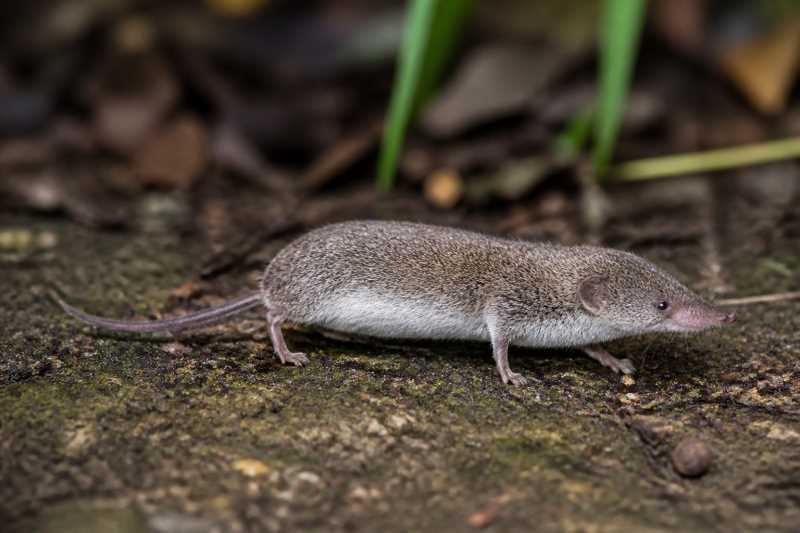
The Pygmy Shrew Tenrec is a diminutive mammal, with adults typically measuring between 4 to 6 centimeters in body length, excluding the tail, which adds roughly another 3 to 5 centimeters. Weighing merely 2 to 5 grams, this species is one of the smallest tenrecs. Its fur is generally soft and dense, with coloration that ranges from pale brown to a more grayish hue, providing excellent camouflage within its natural habitat.
Distinctively, the Pygmy Shrew Tenrec has a pointed snout and relatively large eyes, adaptations that aid its nocturnal lifestyle. Its limbs are short with sharp claws that are essential for digging and maneuvering through leaf litter. The morphological characteristics of this species are specifically adapted for foraging within the undergrowth and leaf litter of Madagascar’s forests.
Range and Habitat
Endemic to Madagascar, the Pygmy Shrew Tenrec occupies a range of habitats including rainforest, deciduous forest, and even some agricultural areas. Its distribution is mainly concentrated in the eastern and northern parts of the island, where moisture levels are higher, providing ample resources in terms of food and cover.
The forests of Madagascar are well-known for their rich biodiversity, and the Pygmy Shrew Tenrec plays a vital role in the ecosystem as both predator and prey. This species thrives in microhabitats that offer a dense layer of leaf litter, which supports its primary diet and provides shelter from predators.
Behavior and Diet
The Pygmy Shrew Tenrec is primarily nocturnal, emerging after dusk to forage for food. Its diet consists predominantly of small invertebrates, including insects, worms, and other arthropods. The sharp snout and acute senses of smell and hearing are essential for detecting prey in the dark undergrowth.
Socially, the Pygmy Shrew Tenrec tends to lead a solitary life, except during the breeding season. Mating typically occurs during the wet season, when resources are abundant, leading to higher offspring survival rates. Females give birth to litters of two to four young, which are weaned within a few weeks.
Identification Tips (Field Recognition Cues)
Identifying the Pygmy Shrew Tenrec in the field requires careful observation due to its small size and elusive nature. Key identification cues include:
- Size and Shape: Look for a small, mouse-like size with a distinctly pointed snout.
- Fur Coloration: Notice the soft, brown to gray fur that blends with the forest litter.
- Behavior: Observe nocturnal activity patterns and foraging in leaf litter.
- Habitat: Presence in moist forests with dense undergrowth can be a strong indicator.
Conservation Status (With Threats and Protections)
The Pygmy Shrew Tenrec is currently listed as Least Concern by the IUCN Red List, primarily due to its relatively wide distribution and presumed large population. However, like many species in Madagascar, it faces threats from habitat destruction and fragmentation, primarily due to logging, slash-and-burn agriculture, and human encroachment.
Conservation efforts for the Pygmy Shrew Tenrec focus on habitat protection and sustainable land-use practices. Several protected areas in Madagascar, such as national parks and reserves, offer some level of habitat security. Continued conservation actions are essential to ensure the long-term survival of this and many other endemic species on the island.
Frequently Asked Questions
What do Pygmy Shrew Tenrecs eat?
Pygmy Shrew Tenrecs primarily feed on small invertebrates, including insects, worms, and other arthropods, using their acute senses to locate prey in the leaf litter.
Where can Pygmy Shrew Tenrecs be found?
They are endemic to Madagascar, mainly inhabiting the eastern and northern regions in rainforests, deciduous forests, and occasionally agricultural lands.
Are Pygmy Shrew Tenrecs endangered?
Currently, the Pygmy Shrew Tenrec is listed as Least Concern by the IUCN, but it faces threats from habitat destruction and requires ongoing conservation efforts.
How do Pygmy Shrew Tenrecs adapt to their environment?
They have evolved features like a pointed snout, large eyes, and sharp claws to aid in foraging, nocturnal living, and navigating through dense forest undergrowth.
What are the main threats to Pygmy Shrew Tenrec populations?
The primary threats include habitat loss due to deforestation, agricultural expansion, and human encroachment, all contributing to ecosystem degradation in Madagascar.
Related posts