Introduction
Melin’s Mastiff Bat, scientifically known as Molossus melini, is a fascinating species of bat within the family Molossidae. This bat species is not only recognized for its unique physical characteristics but also for its intriguing ecological role and behavior. Understanding the biology and ecological significance of Melin’s Mastiff Bat is essential for conservation efforts and for appreciating the biodiversity of the regions it inhabits.
Bats, in general, play crucial roles in ecosystems as pollinators, seed dispersers, and insect population controllers. As a member of the Molossidae family, Melin’s Mastiff Bat shares these ecological roles. This article delves into the various aspects of the species, including its physical description, habitat preferences, behavioral traits, and conservation status.
Physical Description
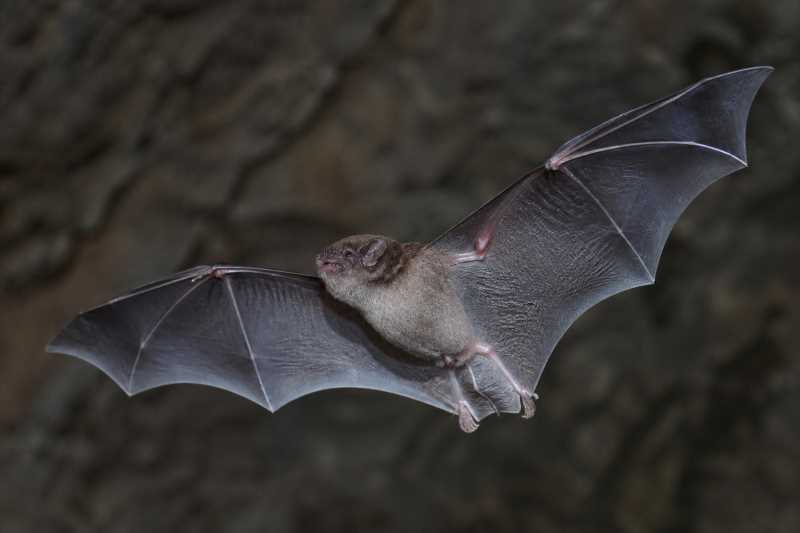
Melin’s Mastiff Bat is medium-sized compared to other members of the Molossidae family. These bats possess a robust and aerodynamic body structure that aids in their swift flight. The defining feature of the Mastiff bats, including Molossus melini, is their free tail, which extends beyond the tail membrane and is often longer than the body itself.
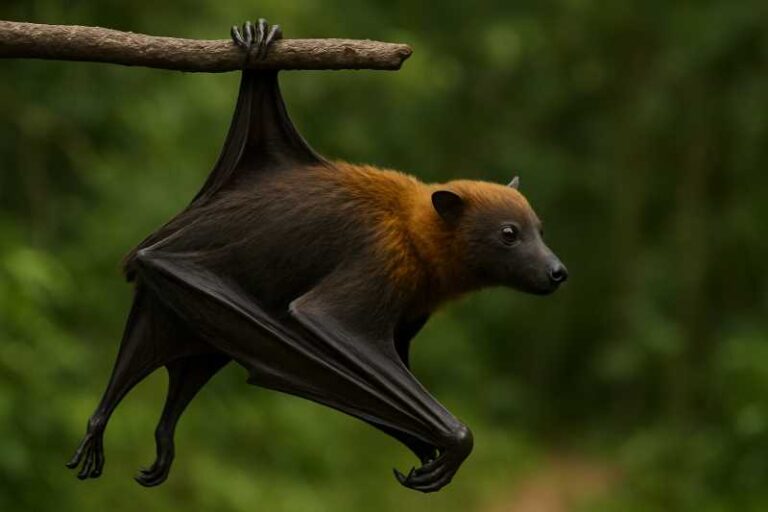
The fur of Melin’s Mastiff Bat is typically short and ranges in color from dark brown to black, providing excellent camouflage within its natural habitat. The ears are relatively large and rounded, which is characteristic of the Molossidae family, aiding in their acute sense of hearing essential for echolocation.
The wings of Melin’s Mastiff Bat are long and narrow, optimized for fast and sustained flight. This wing structure allows them to cover vast distances in search of food and suitable roosting sites. The nose is simple, without the elaborate leaf-like structures seen in some other bat families, reflecting its adaptation to open-air foraging.
Range and Habitat
Melin’s Mastiff Bat is primarily found in the tropical and subtropical regions of Central and South America. Their range extends across several countries, including Colombia, Venezuela, and Ecuador. These bats prefer habitats that offer a combination of open spaces for foraging and secure roosting sites, such as caves, hollow trees, and man-made structures.
The bats are often found in lowland forests, savannas, and agricultural areas that provide abundant food sources. They are highly adaptable and can thrive in both natural and altered landscapes, which has helped them maintain stable populations despite habitat changes.
Behavior and Diet
Melin’s Mastiff Bat is nocturnal, spending daylight hours resting in roosting sites and emerging at dusk to forage. Their diet primarily consists of insects, making them vital for controlling insect populations. They exhibit a preference for flying insects, which they capture mid-air using their agile flight and echolocation capabilities.
Social behavior in Melin’s Mastiff Bat is characterized by the formation of small colonies. These colonies are often composed of related females and their young, with males either living solitarily or in bachelor groups. Communication within colonies is facilitated through vocalizations and scent marking.
Identification Tips (Field Recognition Cues)
Identifying Melin’s Mastiff Bat in the field involves several key cues:
- Tail Structure: Look for the distinctive free tail extending beyond the tail membrane, a hallmark of Mastiff bats.
- Fur Color and Texture: Observe the short, dark brown to black fur, which aids in distinguishing them from other bat species.
- Ear Shape: Note the large, rounded ears, which are larger than those of many other bat species, aiding in echolocation.
- Flight Patterns: Pay attention to their swift, direct flight patterns, often at high altitudes, as they hunt for insects.
- Vocalizations: Listen for their high-pitched echolocation calls, which are often beyond human hearing but can sometimes be detected with bat detectors.
Conservation Status (With Threats and Protections)
Currently, Melin’s Mastiff Bat is not listed as endangered or vulnerable on the IUCN Red List; however, it faces several threats that could impact its populations. Habitat destruction due to deforestation and agricultural expansion poses a significant risk to their natural roosting and foraging habitats.
Pesticide use in agricultural areas can also affect their food supply by reducing insect populations. Climate change presents another potential threat by altering habitats and food availability.
Conservation efforts for Melin’s Mastiff Bat include habitat protection and restoration, as well as public education on the ecological benefits of bats. Protecting roosting sites and reducing pesticide use are critical measures for ensuring their continued survival.
Frequently Asked Questions
- What do Melin’s Mastiff Bats eat?
Melin’s Mastiff Bats primarily feed on flying insects, which they capture during flight using their echolocation abilities. Their diet includes moths, beetles, and other nocturnal insects.
- Where can I find Melin’s Mastiff Bats?
These bats are found in Central and South America, particularly in countries like Colombia, Venezuela, and Ecuador. They inhabit lowland forests, savannas, and agricultural areas.
- How do Melin’s Mastiff Bats communicate?
Communication within colonies is achieved through vocalizations, which include high-frequency echolocation calls, and scent marking. These signals help maintain social bonds and coordinate activities.
- What are the main threats to Melin’s Mastiff Bats?
The main threats include habitat destruction due to deforestation, agricultural expansion, pesticide use, and climate change. These factors can reduce their food supply and suitable roosting sites.
- How can I help conserve Melin’s Mastiff Bats?
Supporting conservation initiatives that protect and restore habitats, reducing pesticide use, and promoting the ecological benefits of bats are key ways to help conserve Melin’s Mastiff Bats.
Related posts