Northern Pacific Jumping Mouse (Zapus trinotatus)
Introduction
The Northern Pacific Jumping Mouse (Zapus trinotatus) is a small yet fascinating rodent species native to North America. Known for its remarkable jumping ability, this species belongs to the family Dipodidae and is closely related to other jumping mice found across the continent. Its unique adaptations for a semi-aquatic lifestyle and its distinct behaviors make the Northern Pacific Jumping Mouse an intriguing subject of study for both scientists and nature enthusiasts.
Physical Description
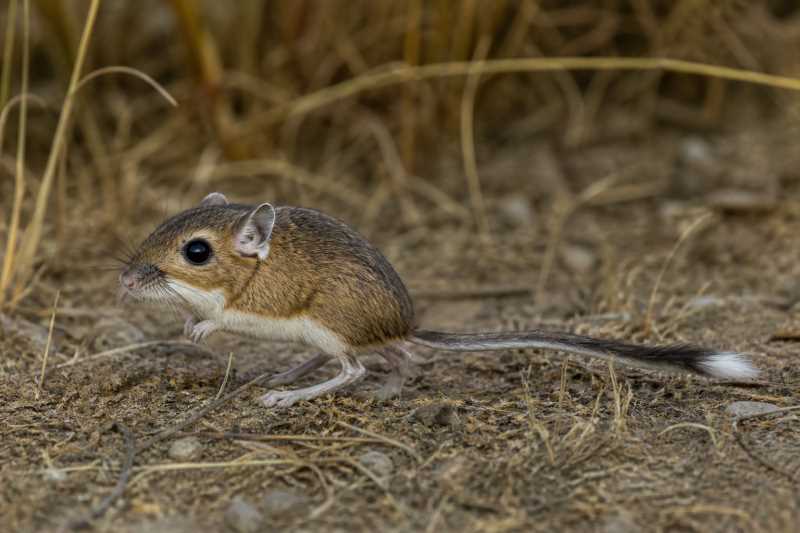
The Northern Pacific Jumping Mouse is a small rodent, measuring approximately 200 to 250 millimeters in total length, including its long tail, which accounts for more than half of its body length. The tail itself is slender and acts as a balancing tool during its characteristic leaps. This species weighs between 15 to 25 grams, depending on its diet and age.
The fur of the Northern Pacific Jumping Mouse is soft and dense, providing insulation in its often damp environment. Its dorsal side is typically a blend of brown and olive tones, which helps camouflage it against the forest floor. The belly is a lighter, creamy yellow or white, offering a stark contrast to its darker back.
One of the most distinguishing features of this species is its large hind legs and feet, which are highly adapted for jumping. These limbs enable the mouse to leap distances up to three meters in a single bound – a remarkable feat for such a small animal. The Northern Pacific Jumping Mouse also has small, rounded ears and large, dark eyes, which are advantageous for nocturnal activity.
Range and Habitat
The Northern Pacific Jumping Mouse is primarily found along the western coast of North America, ranging from southern British Columbia in Canada to northern California in the United States. Its habitat consists mainly of moist, forested areas, particularly near streams, rivers, and wetlands where it can find abundant food sources.
This species thrives in environments that offer dense vegetation and cover, such as mixed coniferous-deciduous forests, shrubby areas, and grasslands. The presence of water bodies is crucial for the Northern Pacific Jumping Mouse, as it often forages along the edges of streams and ponds. The species’ dependency on wetland ecosystems makes it vulnerable to habitat changes brought about by human activities and climate change.
Behavior and Diet
The Northern Pacific Jumping Mouse exhibits a unique set of behaviors, many of which are adaptations to its semi-aquatic lifestyle. It is primarily nocturnal, emerging at night to forage and avoid predators. During the day, it seeks refuge in burrows or nests constructed from grasses and leaves, which it builds in well-concealed areas.
Its diet is primarily herbivorous, consisting of seeds, fruits, and various plant materials. However, the Northern Pacific Jumping Mouse is opportunistic and will occasionally consume insects and other small invertebrates. This omnivorous diet allows it to adapt to seasonal changes in food availability.
In preparation for winter, the Northern Pacific Jumping Mouse enters a state of torpor or hibernation, reducing its metabolic rate to conserve energy during the colder months when food is scarce. This hibernation period can last from late fall to early spring, depending on environmental conditions.
Identification Tips (Field Recognition Cues)
Identifying the Northern Pacific Jumping Mouse in the wild requires keen observation and knowledge of its distinct characteristics. Here are some tips to help with field identification:
- Size and Shape: Look for a small rodent with a long, slender tail and large hind legs. The tail is longer than the combined length of its head and body.
- Coloration: Note the brown and olive tones on the dorsal side and the lighter, creamy underbelly. This coloration helps distinguish it from other small rodents.
- Behavior: Observe its jumping behavior. The Northern Pacific Jumping Mouse is known for its ability to leap great distances, which sets it apart from other mice and voles.
- Habitat: Check moist, forested environments near water sources. This species is rarely found far from water bodies.
- Nocturnal Activity: Spotting this species is more likely at night, as it is primarily nocturnal.
Conservation Status (with Threats and Protections)
The Northern Pacific Jumping Mouse is currently classified as "Least Concern" by the International Union for Conservation of Nature (IUCN). However, this status does not mean the species is free from threats. Habitat loss due to urbanization, agriculture, and deforestation poses significant risks to its populations.
The destruction of wetland habitats, in particular, could have severe consequences for the Northern Pacific Jumping Mouse, as these ecosystems are vital for its survival. Additionally, climate change and the resulting alterations in precipitation patterns may impact the availability of suitable habitats.
Conservation efforts for this species focus on habitat preservation and restoration. Protecting wetland areas and maintaining forested corridors are crucial strategies in ensuring the long-term survival of the Northern Pacific Jumping Mouse. Legal protections and the establishment of protected areas also play an important role in its conservation.
Frequently Asked Questions
1. What is the typical lifespan of a Northern Pacific Jumping Mouse?
The Northern Pacific Jumping Mouse typically has a lifespan of about three to four years in the wild. However, factors such as predation, environmental conditions, and food availability can influence their longevity.
2. How does the Northern Pacific Jumping Mouse avoid predators?
This species relies on its remarkable jumping ability to evade predators. By leaping great distances, it can quickly escape threats. Its nocturnal nature and camouflaging fur also help it avoid detection.
3. Are Northern Pacific Jumping Mice solitary or social animals?
Northern Pacific Jumping Mice are generally solitary, especially outside of the breeding season. They prefer to forage and live alone, though they may share habitats with other individuals during hibernation or in areas with abundant food.
4. What adaptations help the Northern Pacific Jumping Mouse in its habitat?
Key adaptations include its long hind legs for jumping, a diet that can vary with seasonal availability, and a hibernation behavior that conserves energy during winter months.
5. How can human activities impact Northern Pacific Jumping Mouse populations?
Human activities such as deforestation, wetland drainage, and urban development can destroy or fragment their habitats, leading to population declines. Conservation efforts aim to mitigate these impacts through habitat protection and restoration.
Related posts