Minute Tuco-tuco (Ctenomys minutus): A Comprehensive Guide
Introduction
The Minute Tuco-tuco, scientifically known as Ctenomys minutus, is a lesser-known rodent species that captivates scientists and nature enthusiasts alike. Endemic to South America, particularly in Brazil, these small burrowing mammals are part of the family Ctenomyidae. Known for their subterranean lifestyle, Minute Tuco-tucos play a crucial role in their ecosystem, contributing to soil aeration and seed dispersal. Despite their ecological importance, they are often overshadowed by more prominent species, making them an intriguing subject for study.
Physical Description
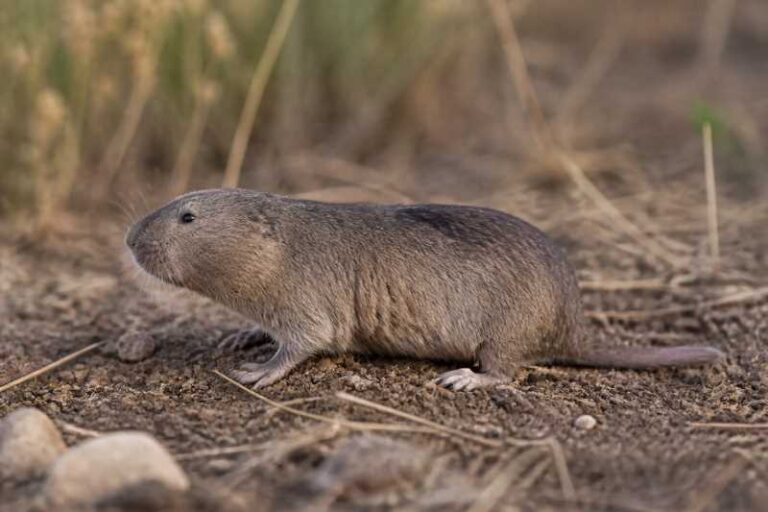
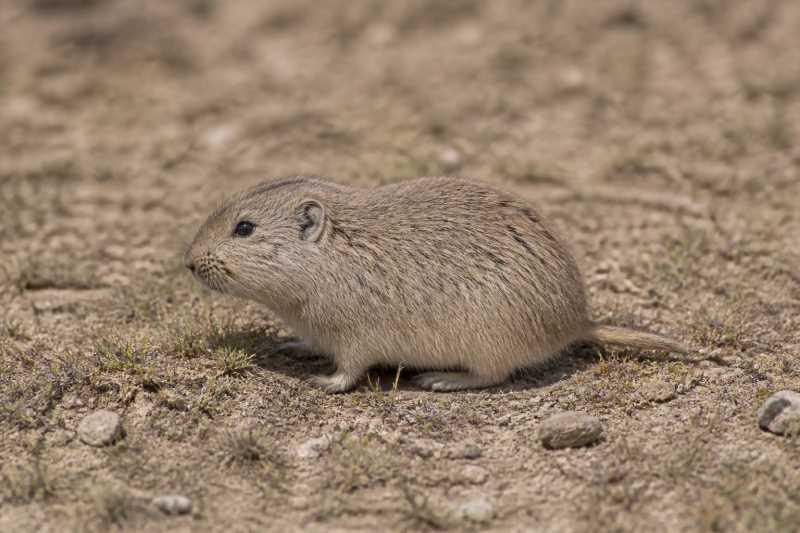
Minute Tuco-tucos are small rodents characterized by their robust bodies and short limbs, adapted for a life spent mostly underground. They weigh around 100 to 150 grams and measure approximately 15 to 20 centimeters in length, including their tails. Their fur is generally soft, ranging from a dull brown to grayish hue, which provides effective camouflage against the soil and vegetation of their natural habitat.
The species exhibits sexual dimorphism, with males being slightly larger than females. Their large, strong claws are a prominent feature, perfectly suited for digging complex burrow systems. Minute Tuco-tucos also have reduced eyes and ears, adaptations that are indicative of their subterranean lifestyle, where sight and sound are less critical than in open environments.
Range and Habitat
The Minute Tuco-tuco is primarily found in the southern parts of Brazil, particularly in the states of Rio Grande do Sul and Santa Catarina. Their habitat consists of grasslands and sandy soils, which are ideal for burrowing. These areas are rich in grasses and shrubs, providing ample food resources and material for nesting.
Their burrow systems are highly complex and can extend several meters underground. These burrows provide protection from predators and extreme weather conditions, ensuring the survival of the species in its natural environment. The preference for sandy soils is crucial as it facilitates easier digging and prevents the collapse of their burrow systems.
Behavior and Diet
Minute Tuco-tucos are solitary and territorial animals. They rarely interact with each other outside of the breeding season, which typically occurs in late winter to early spring. Their territorial nature is evident in their burrow systems, where they spend a significant amount of time digging, maintaining, and defending their space from intruders.
Their diet primarily consists of roots, tubers, and grasses, which they forage from within their tunnels or from the surface near their burrow entrances. Minute Tuco-tucos have adapted to a low-water diet, obtaining most of their moisture needs from the plants they consume.
Identification Tips (Field Recognition Cues)
Recognizing the Minute Tuco-tuco in the field can be challenging due to its elusive nature and underground lifestyle. However, several identification tips can assist observers:
- Burrow Entrances: Look for small, round holes in sandy or grassy areas, often with fresh dirt mounds around them, indicating recent activity.
- Fur Color: Their dull brown or grayish fur blends well with the soil, but close observation may reveal their presence.
- Vocalizations: Minute Tuco-tucos are known for their low, repetitive calls, often heard near their burrow entrances.
- Claw Marks: Distinct claw marks around burrow entrances can also be an indicator of their presence.
Conservation Status (with Threats and Protections)
The International Union for Conservation of Nature (IUCN) currently lists the Minute Tuco-tuco as a species of Least Concern. However, their populations are subject to threats including habitat destruction due to agriculture, urbanization, and infrastructure development.
Conservation efforts are focused on habitat preservation, particularly in regions where development pressures are high. Protected areas and reserves play a vital role in ensuring the survival of the Minute Tuco-tuco by providing undisturbed habitats. Continued research and monitoring are essential to assess population trends and implement effective conservation strategies.
Frequently Asked Questions
What do Minute Tuco-tucos eat?
Minute Tuco-tucos primarily feed on roots, tubers, and grasses. Their diet is adapted to their underground lifestyle, allowing them to survive in low-water environments by extracting moisture from the plants they consume.
How do Minute Tuco-tucos contribute to their ecosystem?
Minute Tuco-tucos play a crucial role in their ecosystem by aerating the soil through their burrowing activities, which enhances soil fertility and promotes plant growth. They also aid in seed dispersal, contributing to plant diversity.
Are Minute Tuco-tucos dangerous to humans?
No, Minute Tuco-tucos are not dangerous to humans. They are shy, solitary animals that prefer to avoid contact and are more concerned with their burrowing activities than interacting with humans.
How can I observe a Minute Tuco-tuco in the wild?
Observing a Minute Tuco-tuco in the wild can be challenging due to their subterranean lifestyle. However, looking for burrow entrances and listening for their vocalizations near grassy, sandy areas can increase your chances of spotting them.
Why are Minute Tuco-tucos important for conservation?
Minute Tuco-tucos are important for conservation as they are indicators of soil health and biodiversity. Their presence signifies a healthy ecosystem, and conserving their habitat helps preserve the broader environmental balance.
Related posts